Pruning
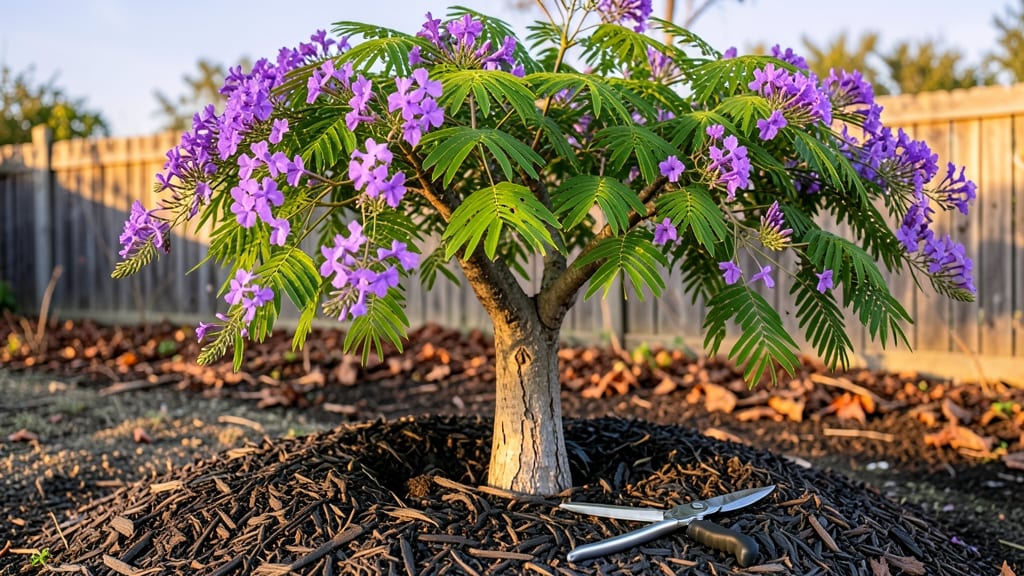
Jacaranda tree maintenance isn’t just about trimming—it’s about unlocking those iconic purple cascades year after year. I’ve watched my own jacaranda go from a scraggly sapling to a flowering showstopper by following a few key seasonal rules, and the difference is night and day.
The secret isn’t complicated: it’s timing, precision cuts, and understanding when to back off. Most people over-prune, and that’s how you end up with weak branches and fewer blooms.
Start with the right tools—a sharp bypass pruner and a sturdy ladder—and focus on late winter or early spring before new growth begins. You’ll remove dead wood first, then thin out crowded branches to improve airflow, which keeps the tree healthy and blooming.
Jacarandas are drought-tolerant once established, but they hate soggy roots, so mulch well and water deeply only when the top inch of soil is dry. Fertilize lightly in spring with a balanced formula, and you’ll see stronger growth and more vibrant flowers.
By summer, your tree should be thriving with lush foliage and buds forming for next season’s display. The key is patience—jacarandas bloom on old wood, so heavy pruning after flowering can reduce next year’s blooms.
With the right care, you’ll have a tree that’s not just surviving, but putting on a spectacular spring show that neighbors will envy. Let’s get those branches looking their best.
This approach works for both young trees and mature specimens, though larger trees may need occasional structural pruning to maintain shape. Whether you’re dealing with a backyard centerpiece or a street tree, the principles stay the same.
The payoff? A jacaranda that looks effortless, blooms reliably, and stands out in any landscape. Ready to make yours shine?
📚 In This Guide
- What you need
- Instructions
- Tips and common mistakes
- Wrapping up and next steps
What you need
- ● Pruning shears (bypass or anvil) – Sharp, clean, and sanitized (1 pair, 6-8" blade for small branches, 8-10" for larger).
- ● Loppers – For thicker branches (1-2" diameter) (1 pair, 18-24" reach).
- ● Pruning saw – For stubborn, thick branches (2"+ diameter) (1 saw with a fine-tooth blade).
- ○ Extension pole pruner – For high branches (optional but handy!) (1, 6-10' reach).
- ● Garden gloves – Cut-resistant or heavy-duty (1 pair, size fits snugly).
- ● Rubbing alcohol (70%+) – For sanitizing tools (small bottle, 8-16 oz).
- ● Sealing wax or pruning paste – To protect large cuts (small tub, 4-8 oz).
- ● Heavy-duty trash bags – For debris cleanup (2-3 bags, 30-gallon size).
- ● Ladder – Sturdy, non-slip (6-12' height) (1, with stabilizers).
- ● Work boots – For uneven terrain (1 pair, ankle support).
- ● Tree bag or tarp – To catch falling branches (1, 10'x10' minimum).
- ● Safety glasses – Protects from debris (1 pair).
- ○ Handheld leaf blower – For quick cleanup (optional, 1200W+).
Step-by-step guide for pruning your jacaranda tree
Here’s how to keep your jacaranda thriving with healthy growth and stunning seasonal blooms.
✂️ Step 1: Time Your Pruning for Maximum Impact
Jacarandas bloom on old wood, so prune immediately after their flowers fade—typically in late spring or early summer. This timing ensures you don’t remove next year’s flower buds. If you miss this window, wait until late winter before new growth begins, but avoid pruning during active bloom.
Real talk: I’ve seen gardeners prune too early and lose their entire bloom cycle. The key is patience—wait until at least 80% of flowers have dropped before touching your shears. This gives you visual confirmation that the tree has finished flowering for the season.
✂️ Step 2: Remove Dead or Damaged Branches First
Start by identifying and cutting out any dead, diseased, or crossing branches. Use clean, sharp pruners to make smooth cuts just outside the branch collar—the swollen area where the branch meets the trunk. This prevents unsightly stubs and promotes faster healing.
I always work from the bottom up, removing larger branches first. This makes it easier to see what’s left and prevents overcrowding in the canopy. If a branch is larger than 2 inches in diameter, use a pruning saw for a clean cut. Never leave stubs—this invites disease and weakens the tree.
✂️ Step 3: Thin the Canopy for Better Airflow
Next, thin out the interior branches to improve airflow and sunlight penetration. Focus on removing branches that grow inward or rub against each other. Aim to reduce the canopy density by about 20-30%—this encourages stronger growth and reduces the risk of fungal diseases.
Here’s the thing—jacarandas naturally grow with a wide, spreading habit. If your tree is in a small space, you’ll need to be more aggressive with thinning. I like to step back every few cuts to visualize the shape. The goal is an open, vase-like structure that lets light reach the center.
✂️ Step 4: Shape the Tree for Balance and Aesthetics
Once you’ve removed deadwood and thinned the canopy, lightly shape the outer branches to maintain a natural, balanced form. Jacarandas respond well to minimal shaping—avoid heavy pruning, as this can reduce flowering. Focus on removing only the tips of branches that are growing in an unruly direction.
I always prune outward-facing branches slightly shorter than inward-growing ones to create a more open silhouette. This not only looks better but also makes future pruning easier. If your tree has become too tall or leggy, you can make small cuts to encourage bushier growth, but never remove more than 25% of the foliage in one season.
⏰ Step 5: Clean Up and Monitor for Recovery
After pruning, rake up and dispose of all debris to prevent fungal growth. Sterilize your pruners with rubbing alcohol between cuts if you’re working with diseased branches. Apply a thin layer of wound sealant to larger cuts (over 1 inch in diameter) to protect the tree from pests and disease.
Watch your jacaranda closely in the weeks following pruning. New growth should appear within 4-6 weeks, signaling that the tree is recovering well. If you notice yellowing leaves or wilting, it could be a sign of stress—adjust your watering slightly and keep an eye on it. With proper care, your tree will reward you with even more dramatic blooms next season.
Tips & tricks for perfect jacaranda tree maintenance
Here's what nobody tells you about keeping your jacaranda looking its absolute best after pruning.
Timing is Everything: The late spring/early summer window after 80% of flowers have dropped is non-negotiable. I learned this the hard way after pruning too early and losing next year's blooms entirely. Mark your calendar based on when your tree typically flowers—this timing ensures you're always pruning old wood that already bore flowers, not sacrificing next season's potential. If you miss this window, late winter before new growth begins is your second chance.
Branch Collar Matters: When cutting branches in Step 2, resist the urge to cut flush with the trunk. The swollen area called the branch collar is crucial—it's where the branch naturally heals. Cutting just outside this collar prevents unsightly stubs and promotes faster healing. For branches over 2 inches thick, use a pruning saw and make the cut at a slight angle to help water run off, preventing rot.
Visualize Before You Cut: Jacarandas have a natural vase shape, and maintaining this structure is key. Step back every few cuts to visualize the tree's silhouette. Remove branches that grow inward or cross others first, then focus on outward-facing branches. The goal is to create an open center that lets sunlight reach all parts of the canopy—this prevents fungal issues and encourages healthy new growth. Think of it like sculpting: you're shaping the tree's natural form, not fighting against it.
Recovery Checklist: After pruning, monitor your tree closely for the first 4-6 weeks. New growth should appear within this timeframe, signaling successful recovery. If you notice yellowing leaves or wilting, it's often a sign of stress—adjust your watering slightly and keep an eye on it. For larger cuts over 1 inch, apply a thin layer of wound sealant to protect against pests and disease. This simple step can make all the difference in your tree's long-term health.
Pro Tips for Jacaranda Tree Maintenance
- Here's what nobody tells you about keeping your jacaranda looking its absolute best after pruning.
- Timing is Everything: The late spring/early summer window after 80% of flowers have dropped is non-negotiable.
- Branch Collar Matters: When cutting branches in Step 2, resist the urge to cut flush with the trunk.
Frequently asked questions
Got questions about keeping your jacaranda tree thriving? Here are some of the most common concerns—and their answers—to help you maintain that stunning purple canopy year after year.
When is the best time to prune a jacaranda tree?
Prune your jacaranda right after flowering (late spring to early summer). This ensures you don’t cut off next year’s blooms while still removing dead or overgrown branches. Avoid heavy pruning in fall or winter, as the tree needs energy to prepare for spring growth.
How much can I trim back my jacaranda tree?
You can safely remove up to 25-30% of the tree’s foliage in a single session, but avoid drastic cuts. Focus on shaping, removing dead wood, and thinning out crowded branches. Over-pruning weakens the tree and may reduce flowering.
What if my jacaranda isn’t blooming as much as it used to?
Poor blooms often mean over-pruning or nutrient deficiencies. Feed with a balanced fertilizer in early spring, prune lightly after flowering, and ensure it gets full sun. If the tree is young, blooms may take 3–5 years to reach full potential.
Are there pests or diseases I should watch for?
Jacarandas are generally hardy, but watch for aphids, scale insects, or fungal leaf spot. Treat pests with horticultural oil or insecticidal soap. For fungal issues, improve airflow by thinning dense branches and avoid overhead watering.
Can I grow a jacaranda in a container? How do I maintain it?
Yes! Choose a large, sturdy container with drainage and use well-draining soil. Prune regularly to control size, and repot every 2–3 years. Container jacarandas need more frequent watering than in-ground trees, especially in hot climates.
Wrapping up and next steps
Caring for your jacaranda tree doesn’t have to be overwhelming—just a little seasonal love goes a long way!
By following the right trimming techniques and timing, you’ll reward yourself with stunning, vibrant blooms year after year. 🌸 Whether you’re a pruning pro or a beginner, consistency is key to keeping your tree healthy and thriving.
Ready to take the next step? Grab your tools, mark your seasonal calendar, and give your jacaranda the attention it deserves! Your future purple canopy will thank you.