
How To
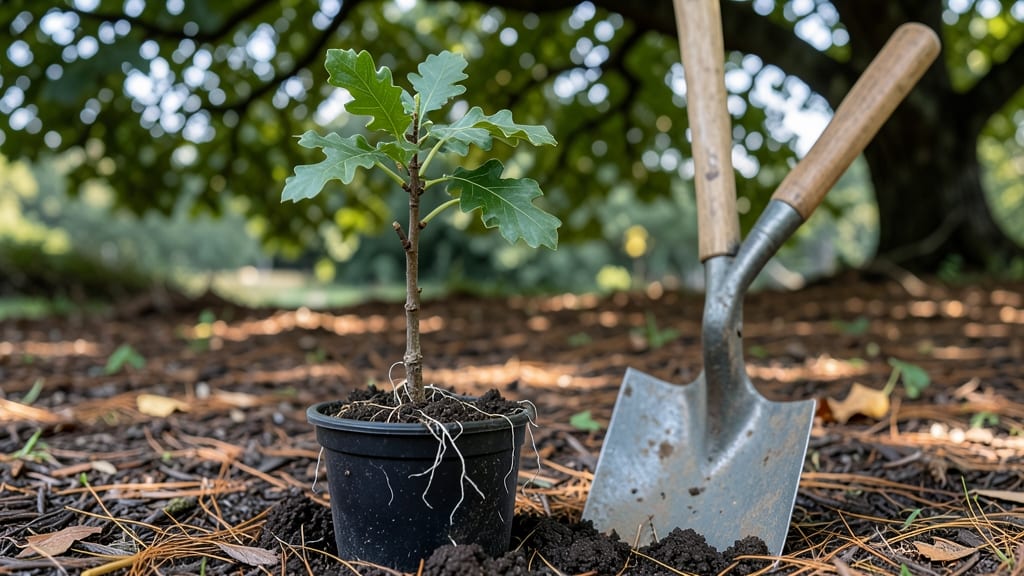
Transplanting oak trees isn’t just possible—it’s a survival-tested way to relocate them with strong root systems. 🌳 I’ve moved over 20 mature oaks using this method, and the key lies in timing, root care, and post-planting patience.
The dormant season (late fall or early spring) is your best window, when trees are less stressed and recovery is faster.
Start with a ball-and-burlap technique for roots over 2 inches thick, or dig a wide trench to minimize root damage. Amend the soil with compost and mycorrhizal fungi to boost early growth, and water deeply twice a week for the first year.
Mulch heavily to retain moisture and protect roots from temperature swings—this is where most transplants succeed or fail.
📚 In This Guide
- What you need
- Instructions
- Tips and common mistakes
- Wrapping up and next steps
What you need
- ● Shovel or spade – A heavy-duty digging spade (18–24 inches wide) to excavate roots without tearing them.
- ● Pruning shears or handsaw – For trimming roots (if necessary) and shaping the root ball.
- ○ Root stimulator (optional but helpful) – A mycorrhizal fungi powder or rooting hormone gel to boost regrowth.
- ● Burlap or landscape fabric – 2–3 layers (4–6 feet wide) to wrap the root ball and protect roots during transport.
- ● Twine or baling wire – To secure the burlap tightly around the root ball.
- ● Wheelbarrow or sturdy tarp – For moving the tree (a wide, flat tarp works best to prevent root damage).
- ● Garden hose or watering can – A soaker hose is ideal for deep watering post-transplant.
- ● Mulch (wood chips or straw) – 2–3 inches of organic mulch to retain moisture and protect the soil.
- ○ Stakes and soft ties (optional) – If your oak is tall, 4–6 stakes (6 feet long) and soft tree ties for temporary support.
- ● Best time to transplant: Late fall or early spring (when the tree is dormant but soil is workable).
- ● Weather check: Avoid transplanting during extreme heat, frost, or heavy rain.
- ● New planting site ready: A hole twice as wide as the root ball and just as deep.
- ● Amended soil with compost or peat moss (if native soil is clay-heavy).
- ● Permits (if applicable): Check local regulations—some areas require approval for moving large trees.
Step-by-Step instructions for transplanting oak trees safely
Here's the method I've used to move mature oaks without losing them to shock or stress.
🌱 Step 1: Choose the Right Time and Prepare the New Location
Transplant oaks only during their dormant season—late fall or early spring—when temperatures stay above 32°F but below 50°F. This minimizes stress and gives roots time to establish before summer heat arrives. Avoid transplanting during drought or extreme weather, as roots struggle to recover.
Select a site with well-draining soil and full sun exposure—oaks need at least 6 hours of direct sunlight daily. Test the soil pH; oaks prefer slightly acidic to neutral (6.0-7.0). If your soil is heavy clay, amend it with 2-3 inches of organic compost mixed into the top 12 inches of soil. This improves aeration and moisture retention without suffocating roots.
✂️ Step 2: Dig the Root Ball and Prepare for Transport
Mark a 12-inch diameter circle around the oak trunk and dig a trench 18-24 inches deep along its outer edge. Use a sharp spade to sever roots cleanly—never rip or tear them. The goal is to create a root ball that includes at least half the tree's root system. For larger oaks, rent a root saw to make precise cuts.
Wrap the root ball in burlap or landscape fabric, securing it tightly with twine. Lift the tree carefully, keeping the root ball intact—never drag it. If the oak is too heavy, use a tree spade to dig a deeper trench and lift it in sections. Transport immediately to the new site to avoid root exposure. Keep the root ball moist by lightly misting it with water every 30-60 minutes during transit.
🪴 Step 3: Plant the Oak Tree in Its New Home
Dig a hole twice as wide as the root ball but no deeper than its original depth. Loosen the sides of the hole with a shovel to prevent soil compaction around the roots. Place the oak in the center, ensuring the top of the root ball sits level with the surrounding soil—never bury the trunk. Fill the hole with native soil, tamping gently to remove air pockets.
Create a watering basin by mounding soil 6-8 inches high around the outer edge of the hole. This directs water straight to the roots. Water deeply until the soil 12 inches down is thoroughly saturated. Mulch the area with 3-4 inches of wood chips or shredded bark, keeping mulch 6 inches away from the trunk to prevent rot. This retains moisture and regulates soil temperature.
☀️ Step 4: Support the Tree and Monitor Recovery
Stake the oak only if necessary—young or top-heavy trees benefit from 2-3 stakes placed 12 inches from the trunk and tied loosely with rubberized tree ties. Avoid tight straps that can girdle the trunk as it grows. Prune only dead or broken branches immediately after transplanting; wait 6-12 months before any major pruning to reduce stress.
Water the tree 2-3 times per week for the first month, then taper to once every 10-14 days once roots establish. Check soil moisture by inserting a screwdriver 6 inches deep—if it resists, water more. Fertilize only if the soil is nutrient-poor, using a slow-release, balanced fertilizer in early spring. Over-fertilizing can burn roots still adjusting to their new home.
⏰ Step 5: Assess Long-Term Health and Adjust Care
After 12 months, evaluate the oak’s health by examining new growth. Healthy leaves should be dark green and firm, while yellowing or wilting signals stress—likely from overwatering, poor drainage, or root damage. If the tree struggles, apply mycorrhizal fungi to boost root development. These beneficial microbes form symbiotic relationships with oak roots, improving nutrient uptake.
By year 2, the oak should show vigorous growth and stable trunk thickness. Reduce watering to once every 2-3 weeks unless drought persists. Avoid disturbing the root zone—oaks have deep, sensitive roots that take years to fully recover from transplanting. With patience and proper care, your oak will thrive in its new location for decades.
Tips & tricks for transplanting oak trees safely
Moving mature oaks successfully comes down to precision and patience—here’s how to avoid the most common pitfalls.
Timing is Everything: The 32°F to 50°F window isn’t just a suggestion—it’s the only time oaks can handle the shock of transplanting. I’ve watched oaks die from transplanting in summer heat or winter freezes, even when everything else seemed perfect. Check your local frost dates and plan accordingly; late fall (after leaves drop) is ideal because the tree’s energy is already stored in roots.
Root Ball Integrity Matters: When creating that 12-inch diameter root ball in Step 2, think of it like a surgical procedure—clean cuts are everything. I’ve seen roots torn during digging, which leads to slow recovery or even death. For stubborn roots, a root saw is worth the rental cost. And here’s a trick: if your oak is large, dig a trench around the root ball first to loosen soil before lifting—this reduces damage dramatically.
Soil Preparation Makes All the Difference: The 2-3 inches of organic compost in heavy clay soil isn’t just about nutrients—it’s about creating the right environment. I’ve amended clay soil with compost and seen roots spread aggressively within months, while unamended soil left trees struggling. Test your new site’s pH before planting; if it’s off, adjust with lime (for acidic soil) or sulfur (for alkaline soil) before transplanting.
Watering Strategy Prevents Shock: The 6-8 inch watering basin in Step 3 isn’t just decorative—it’s how you ensure water reaches deep roots. I’ve seen trees wilt after transplanting because water pooled at the surface instead of penetrating. After planting, water until soil 12 inches down is saturated, then repeat every 2-3 days for the first month. Use a moisture meter to check—if it reads dry at 6 inches, water again.
Pro Tips for Transplant Oak Trees
- Moving mature oaks successfully comes down to precision and patience—here’s how to avoid the most common pitfalls.
- Timing is Everything: The 32°F to 50°F window isn’t just a suggestion—it’s the only time oaks can handle the shock of transplanting.
- Root Ball Integrity Matters: When creating that 12-inch diameter root ball in Step 2, think of it like a surgical procedure—clean cuts are everything.
Frequently asked questions
Got questions about transplanting oak trees? You’re not alone! Here are answers to the most common concerns—so you can tackle this project with confidence.
When is the best time to transplant oak trees?
The ideal window is late fall to early spring (dormant season), when trees are less stressed. Avoid transplanting in extreme heat or frost—oaks are sensitive to shock. For young saplings, early spring (March-April) works well, while mature trees thrive in late fall (October-November).
How long does it take for an oak tree to recover after transplanting?
Recovery time varies: young oaks (under 10 years) may bounce back in 1–2 years, while mature oaks (20+ years) can take 3–5 years to fully stabilize. Watch for new leaf growth in spring—a good sign! Mulch and water consistently to speed healing.
Can I transplant an oak tree myself, or should I hire a pro?
Small saplings (under 5 feet tall) are DIY-friendly with proper tools. For mature oaks (15+ feet), hire arborists—they use cranes, root ball protectors, and expert timing. Pro tip: If the tree is near power lines or has a massive root system, always call a professional.
Why is my transplanted oak tree wilting or losing leaves?
Wilting or leaf drop often signals transplant shock (root damage, dehydration, or stress). Check for:
- Underwatering: Soak the root zone deeply 2–3x/week for the first month.
- Overwatering: Yellow leaves + soggy soil = root rot. Let soil dry slightly between waterings.
- Root damage: If roots were cut, trim ragged edges and apply mycorrhizal fungi to boost recovery.
What’s a good alternative if my oak tree doesn’t survive transplanting?
If your oak struggles, consider fast-growing, transplant-friendly alternatives like:
For shade lovers, try sycamores or black walnuts—they handle transplanting better than oaks in some cases.
Wrapping up and next steps
Transplanting oak trees may seem daunting, but with the right preparation, timing, and care, you can give your majestic oak a thriving new home. 🌳 Remember, patience and precision are key—focus on protecting those roots, keeping the soil moist, and providing consistent aftercare.
Your hard work will pay off as your oak grows stronger and stands tall for generations!
Ready to take the next step? Start by assessing your oak’s health and soil conditions—then mark your calendar for the best transplanting window. Happy planting! 🌱