How To
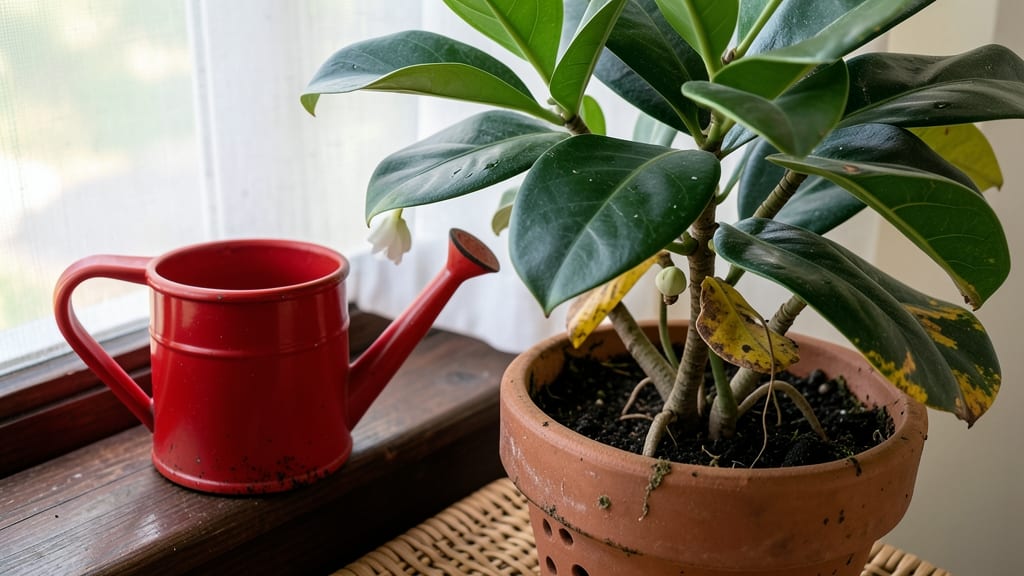
Learn how to tell if tree is overwatered before your oak or maple’s roots suffocate—yellowing leaves and soggy soil are the first warning signs. 🌳 I’ve seen it happen time and time again: roots suffocating in compacted, waterlogged earth while leaves turn a sickly yellow-green, despite the pot feeling damp.
The worst part? By the time you notice mushrooms sprouting at the base, it’s often too late for the roots.
Here’s the thing—most of us overdo it because we think trees need constant moisture, like thirsty houseplants. But trees like oak and citrus actually crave well-drained soil and can handle dry spells better than soggy conditions. The first clue?
Leaves that stay yellow even after watering, or a trunk that feels hollow when tapped (a sign of rot). And yes, that’s right: wilting can happen even when the soil is wet—because roots can’t breathe.
What you’ll learn here is how to diagnose the problem fast—whether it’s root rot, fungal growth, or just poor drainage—and fix it before your tree gives up.
We’re talking simple checks like the "finger test" (stick your finger 2 inches deep: if it’s still damp after 48 hours, you’re overwatering) and easy adjustments that save trees every season. No guesswork, just results.
This works for any tree type, from backyard maples to container citrus—because the signs are universal once you know what to look for. Let’s turn those yellow leaves around before the roots rot beyond saving.
📚 In This Guide
- What you need
- Instructions
- Tips and common mistakes
- Wrapping up and next steps
What you need
- ● Garden trowel or small shovel – For gently lifting soil and inspecting roots (6–12 inches deep). A stainless steel or ergonomic handle makes digging easier.
- ● Gloves (waterproof or gardening gloves) – Protects your hands from dirt, moisture, and potential root debris. Nitrile or leather gloves work best.
- ○ Measuring tape or ruler – To check soil moisture levels (optional but helpful for consistency). A 12-inch ruler is ideal.
- ○ Moisture meter (optional but recommended) – A digital soil moisture sensor (like the Xiaomi Mi Flower Care or Govee Soil Moisture Meter) takes the guesswork out of hydration checks.
- ● Notebook and pen – To log observations like leaf color, soil texture, and root conditions over time.
- ● Bucket or container – For collecting soil samples if you suspect root rot or compacted soil. A 5-gallon bucket is perfect.
- ● Handheld magnifying glass – For spotting fungal growth, mold, or root damage up close.
- ● Camera or smartphone – To document yellowing leaves, wilting, or unusual root structures before/after adjustments.
- ● pH test kit – Overwatering can alter soil pH; a basic liquid or strip test kit helps monitor balance.
- ● Pruners (sterilized) – If you need to trim mushroom growth or dead branches caused by excess moisture.
- ● Rain gauge – Tracks weekly rainfall to correlate with overwatering symptoms.
Step-by-Step guide to diagnosing overwatered trees
Here's how to spot the signs before it's too late—your tree's health depends on it.
🌿 Step 1: Check Soil Moisture with Your Fingers
Stick your index finger about 2 inches deep into the soil near the tree's drip line. If it feels soggy or cool to the touch (like a damp sponge), that's your first red flag. Overwatered soil stays clammy for days after watering because roots can't breathe when submerged.
I know it seems counterintuitive—trees need water, right? But roots need oxygen too. When soil stays waterlogged, roots suffocate and turn black or mushy. That's when you'll see leaves yellowing first on older branches, then spreading inward. Grab a handful of soil and squeeze—if water drips out, you've got a problem.
🌱 Step 2: Inspect Leaf Color and Texture
Yellow leaves on a tree usually mean one of two things: overwatering or nutrient issues. For overwatering, the yellowing starts on the older leaves (closest to the trunk) and works inward. The leaves may also feel slimy or soft when you touch them—this is a clear sign of root rot spreading.
Here's the thing—if the yellow leaves also have brown, crispy edges, that's often underwatering. But if they're uniformly yellow with no browning, and the soil is soggy, you're dealing with overwatering. Flip a few leaves over: if you see black spots or a mushy texture, that's root rot from too much water.
💧 Step 3: Look for Fungal Growth or Mushy Roots
Kneel down and gently pull back the mulch or top layer of soil near the base of the tree. If you see white, fuzzy mold or small mushrooms growing, that's a fungal infection thriving in wet conditions. These are classic signs of overwatering—fungi love moisture and will take over when roots can't compete.
Dig carefully with a small trowel to check the roots. Healthy roots are white or tan with fine hairs. Overwatered roots are black, mushy, and smell rotten. If you see this, stop watering immediately and let the soil dry out completely before acting. The goal now is to save the roots from further damage.
⏰ Step 4: Test the Tree's Stability
Gently pull upward on the tree's trunk near the base. A healthy tree resists movement slightly, but an overwatered one may feel loose or wobbly because the roots can't anchor properly in waterlogged soil. This happens when root rot weakens the root system over time.
Don't yank hard—just give it a gentle tug to test. If the tree leans noticeably or feels unstable, that's a late-stage sign of chronic overwatering. At this point, you'll need to address the soil drainage immediately. The tree might still recover if you act fast, but it's a warning that you've been overwatering for too long.
☀️ Step 5: Assess the Tree's Growth Pattern
Look at the tree's new growth. If you see tiny, sparse leaves or no new growth at all, that's another clue. Overwatered trees often put all their energy into surviving rather than growing. Compare it to healthy trees nearby—you'll notice a stark difference in leaf size and vigor.
Real talk: if the tree is also dropping leaves unexpectedly or has peeling bark, that's a sign of stress from too much water. The bark may look dark or wet where it meets the soil. This is the tree's way of saying, "I can't handle this anymore." At this stage, you'll need to improve drainage and reduce watering significantly.
Tips & tricks for diagnosing overwatered trees
Here's what nobody tells you about saving your trees—these insights come from years of watching plants struggle (and recover!) from too much water.
Timing is Everything: Check soil moisture in the morning after dew has evaporated but before afternoon heat dries the surface. Morning soil gives you the most accurate reading of overnight water retention. I've seen gardeners check in the afternoon and miss the clammy signs because surface soil might appear dry while deeper layers stay saturated.
Leaf Texture Test: When inspecting leaves in Step 2, pay attention to the underside of older leaves. Healthy undersides are a vibrant green with tiny hairs. Overwatered leaves often develop a slimy film or black spots on the underside first—this is where fungal spores love to take hold. Run your thumb gently over the leaf surface: if it feels slippery, that's your warning sign.
Root Inspection Tools: For Step 3, grab a small hand trowel and a pair of gardening gloves before digging. I like to use a wooden dowel to gently probe the soil first—it's less likely to damage roots than a metal tool. If the dowel comes out clean, roots are healthy. If it sticks or pulls up black, mushy debris, you've found your problem area. Remember, healthy roots should smell earthy, not rotten.
Seasonal Adjustments: In cooler months (fall/winter), soil stays moist longer naturally, so you might not need to water as often. But if you're seeing the signs from Step 1-3 during these seasons, that's when you need to act fastest—roots suffocate more easily in cold, wet soil. I've saved many trees by simply stopping watering entirely during rainy winters and letting the soil dry completely between storms.
Pro Tips for Tell If Tree Is Overwatered
- Here's what nobody tells you about saving your trees—these insights come from years of watching plants struggle (and recover!) from too much water.
- Timing is Everything: Check soil moisture in the morning after dew has evaporated but before afternoon heat dries the surface.
- Leaf Texture Test: When inspecting leaves in Step 2, pay attention to the underside of older leaves.
Frequently asked questions
How often should I water my tree to avoid overwatering?
Watering depends on your tree type, soil, and climate, but a general rule is deep watering once a week (or less in rainy seasons). Stick your finger 2-3 inches into the soil—if it’s dry, water thoroughly. If it’s still damp, wait. Overwatering is more common than you think, so when in doubt, hold off!
What do those mushrooms growing at the base of my tree mean?
Mushrooms or fungal growth near your tree’s base are a red flag for overwatering or poor drainage. They thrive in soggy soil, signaling root rot or decay. Trim them off, improve drainage, and let the soil dry out between waterings. If the issue persists, consult an arborist to assess root health.
How long does it take for overwatered trees to recover?
Recovery time varies, but with proper care, trees can bounce back in weeks to months. Start by reducing watering, improving soil aeration (add compost or mulch), and pruning any severely damaged branches. Monitor closely—if roots stay mushy or leaves keep yellowing, the tree may need professional help.
Can overwatering kill a tree quickly?
Yes! While trees are resilient, chronic overwatering (especially in poorly drained soil) can suffocate roots, leading to root rot and death within weeks to a few months. Signs like wilting, peeling bark, or a foul smell from the soil are urgent warnings. Act fast by adjusting watering habits and aerating the soil.
What’s the best way to fix overwatered soil?
Drainage is key! Amend the soil with organic matter (compost, peat moss) to improve aeration, and consider installing a French drain or raised beds if water pools. Avoid compacting the soil further—use mulch to regulate moisture and prevent future soggy conditions. Patience is crucial; recovery takes time!
Wrapping up and next steps
Spotting the signs of an overwatered tree—like yellowing leaves, mushy roots, or fungal growth—can save your green friend before it’s too late! 🌱 By checking soil moisture, inspecting roots, and adjusting your watering habits, you’ll keep your tree thriving. Don’t stress—even small tweaks make a big difference!
Now that you’re armed with the know-how, take action today. Start with a quick soil check or trim back any damaged roots, and watch your tree bounce back to health. Need more help? Explore our guide on proper watering techniques next!