
Propagation
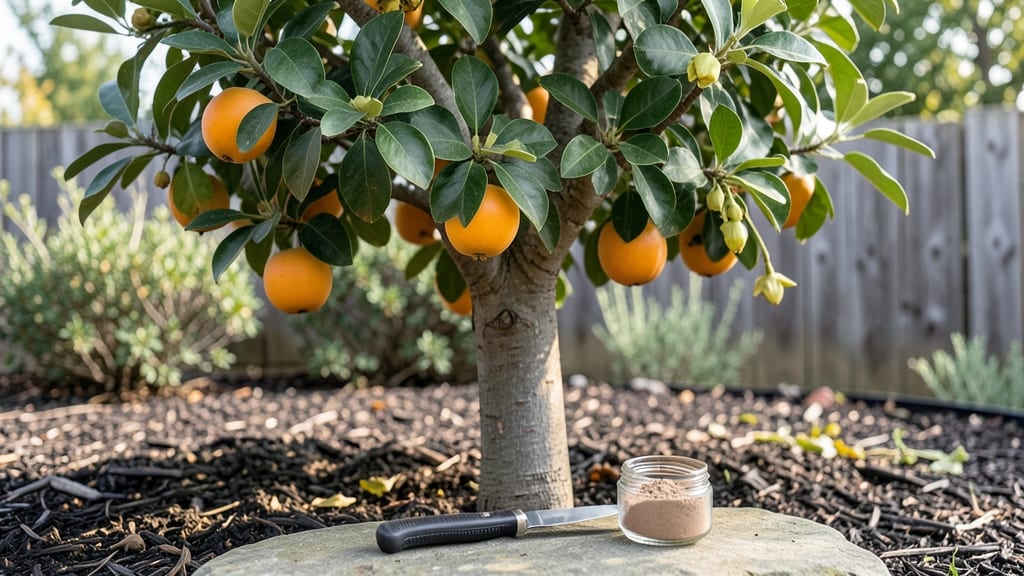
Propagating persimmon trees from seed gives you the chance to grow these golden-fruited giants from scratch—though it takes patience and the right timing. 🌱 I’ve watched persimmon seeds sprout into sturdy saplings over two growing seasons, and the process is simpler than most gardeners think, once you know the tricks.
The key is starting with fresh, fully ripe persimmon seeds in late winter, then giving them a cold stratification period to mimic natural conditions. You’ll need basic supplies—just a container, potting mix, and a bit of space for the seedlings to stretch their roots.
Most gardeners skip the cold treatment and end up with slower germination, but that extra step makes all the difference.
By the time spring arrives, you’ll have tiny seedlings ready to transplant into pots or the ground. With consistent moisture and a sunny spot, they’ll grow into strong, disease-resistant trees that produce fruit in just a few years.
The best part? You’ll end up with a tree that’s uniquely yours, grown from a seed you nurtured yourself.
This method works best in zones 7-10, where persimmons thrive, but even cooler climates can try it with extra winter protection. The payoff? A tree that grows for decades, bearing fruit that’s sweeter than anything you’d buy at the store. Let’s get those seeds sprouting!
📚 In This Guide
- What you need
- Instructions
- Tips and common mistakes
- Wrapping up and next steps
What you need
- ● Persimmon seeds: 5–10 fresh, viable seeds (harvested from ripe fruit). Pro tip: 💡 Store seeds in a damp paper towel in the fridge for 2–4 weeks to break dormancy!
- ● Seed-starting mix: 1–2 gallons of sterile, well-draining potting soil (or a 50/50 mix of peat moss and perlite).
- ● Small pots or seed trays: 4–6 biodegradable or plastic pots (3–4 inches wide) with drainage holes.
- ● Plastic wrap or humidity dome: To retain moisture during germination.
- ● Spray bottle: For gentle watering (avoid over-saturating the soil).
- ● Grow lights or sunny windowsill: A warm, bright spot (60–75°F) is ideal for seedlings.
- ● Pruning shears: For trimming sprouts as they grow (sterilize with rubbing alcohol!).
- ● Fertilizer: A balanced, water-soluble fertilizer (e.g., 10-10-10) for young seedlings (use sparingly!).
- ○ Heat mat (optional): Speeds up germination if your climate is cool.
- ● Garden twine & stakes: For supporting taller saplings later.
- ● Label markers: To track seed varieties (especially if testing multiple types!).
Step-by-step guide to propagating persimmon trees
Here's how I turn persimmon seeds into sturdy saplings—no fancy tools required.
🌱 Step 1: Extract and Prepare the Seeds
Pick a ripe, slightly soft persimmon fruit and scoop out the seeds. I like to wash them gently in cool water to remove any pulp residue. The key here is timing—plant the seeds within 24 hours of extraction for best results.
Persimmon seeds have a hard outer shell that slows germination. To speed things up, I soak them in warm water for 12-24 hours until they swell slightly. This softens the seed coat and encourages faster sprouting. Place them in a small container and let them soak at room temperature.
💧 Step 2: Plant Seeds in a Moist Growing Medium
Fill a small pot or seed tray with sterile seed-starting mix (about 3-4 inches deep). I like to use a mix of 50% peat moss and 50% perlite for good drainage. Moisten the mix until it feels damp like a wrung-out sponge—never soggy.
Plant the soaked seeds ½ inch deep, spacing them 1-2 inches apart. I use my finger to make small holes, then drop one seed per hole and cover lightly. Press gently to ensure good soil contact. Persimmon seeds germinate best in warmth (70-80°F), so I place the tray on a seedling heat mat.
☀️ Step 3: Provide Warmth and Indirect Light
Keep the soil consistently moist but not waterlogged—top inch should stay damp. I cover the tray with clear plastic wrap to retain humidity, but I remove it daily for 5-10 minutes to prevent mold. Germination usually takes 2-4 weeks, though some seeds may take longer.
Once the seedlings emerge, move them to a bright, indirect light spot. Avoid direct sunlight at first—young persimmon seedlings can scorch easily. A south-facing window with sheer curtains works well. If growth looks leggy (thin, stretched stems), your light isn’t strong enough.
🌿 Step 4: Transplant and Harden Off Saplings
When seedlings reach 4-6 inches tall and have 3-4 true leaves, it’s time to transplant. Choose a 6-inch pot with drainage holes and fill it with well-draining potting mix. Gently remove the seedling, keeping the root ball intact, and plant it at the same depth it was growing before.
Over the next 2 weeks, harden off the saplings by gradually exposing them to outdoor conditions. Start with 1-2 hours of shade on the first day, then increase exposure by 1 hour daily. By the time they’re ready for the garden, they should handle full sun without wilting. Persimmon trees thrive in full sun to partial shade, so choose a spot with at least 6 hours of sunlight daily.
Tips & tricks for propagating persimmon trees
These little tricks will help you turn those persimmon seeds into thriving saplings without the guesswork.
Seed Prep Matters: That 24-hour window for planting seeds is non-negotiable—don’t let them dry out or sit too long after extraction. I’ve found that gently scratching the seed coat with a nail file (just a few light strokes) before soaking can speed up germination by breaking the tough outer shell. This works especially well for seeds that seem stubborn during the 12-24 hour soak.
Soil Science: The 50% peat moss and 50% perlite mix is perfect, but if you don’t have peat moss, substitute with coconut coir or even composted leaf mold. Just make sure whatever you use drains well—persimmon seeds rot faster than they sprout if the soil stays soggy. After planting those ½-inch-deep seeds, I like to give the soil a light mist with water at room temperature to avoid shocking the seeds.
Heat Hack: Those 70-80°F germination temps are crucial, but not everyone has a heat mat. Place your seed tray on top of your fridge (where it stays warm) or nestle it between two light bulbs in a cardboard box. Just monitor closely—too much heat can dry out the soil faster than you can keep it moist. A simple thermometer probe in the soil will help you dial this in perfectly.
Light Transition: When moving seedlings to bright, indirect light after germination, I’ve noticed they handle LED grow lights better than fluorescent ones. If you don’t have either, place them near a west-facing window where they’ll get gentle afternoon sun. The key is to avoid the harsh midday sun that can scorch those delicate new leaves—think dappled shade rather than full sun.
Pro Tips for Propagate Persimmon Tree
- These little tricks will help you turn those persimmon seeds into thriving saplings without the guesswork.
- Seed Prep Matters: That 24-hour window for planting seeds is non-negotiable—don’t let them dry out or sit too long after extraction.
- Soil Science: The 50% peat moss and 50% perlite mix is perfect, but if you don’t have peat moss, substitute with coconut coir or even composted leaf mold.
Frequently asked questions
Got questions about growing your own persimmon tree? You’re not alone! Here are answers to the most common concerns—from timing to troubleshooting—to help you succeed.
Can I propagate a persimmon tree from store-bought fruit?
Yes, but with a caveat! Store-bought persimmons are often treated to prevent sprouting. Try soaking seeds in warm water for 24–48 hours to soften the seed coat, then plant them in moist soil. For better success, source seeds from ripe, locally grown fruit—like those from a backyard tree or farmers' market.
How long does it take for persimmon seeds to germinate?
Germination can take anywhere from 2 weeks to 6 months, depending on temperature and seed treatment. Keep soil consistently moist and warm (70–80°F). Patience is key—some seeds may need a cold stratification period (like winter) to break dormancy. A heating mat can speed up the process if you’re eager!
What’s the best time of year to plant persimmon seeds?
For fastest results, plant seeds in early spring (after the last frost) or late summer (6–8 weeks before the first frost). If you’re in a warm climate, fall planting works too. Avoid planting in extreme heat or cold—seeds need stable conditions to sprout. A greenhouse or indoor setup can extend your planting window.
Why aren’t my persimmon cuttings rooting?
Persimmon cuttings are tricky! Common issues include:
- Poor timing: Take semi-hardwood cuttings in late spring or early summer when the tree is actively growing.
- Wrong hormones: Use a rooting hormone with auxin (like IBA) to boost success rates.
- Inconsistent moisture: Keep cuttings in a humid environment (like a plastic bag) and water lightly but frequently.
- Low humidity: A misting system or propagation box can help mimic tropical conditions.
Do persimmon trees grow well in containers?
Young persimmon trees (3–5 years old) can thrive in containers, but they need large pots (15+ gallons) with drainage holes. Use well-draining soil and repot every 2–3 years. However, persimmons are large trees (30–50 feet tall) and eventually need ground planting for full growth. Choose dwarf varieties (like ‘Fuyu’ or ‘Hachiya’) if space is limited.
Wrapping up and next steps
Propagating a persimmon tree from seed is a rewarding journey that connects you to nature’s bounty—whether you’re dreaming of homegrown fruit or simply expanding your orchard. 🌱 With the right patience, tools, and care, you’ve got everything you need to nurture those tiny seeds into sturdy saplings.
Now that you’re armed with step-by-step know-how, it’s time to roll up your sleeves and give it a try!
Your next step? Pick a sunny spot in your yard (or a pot if space is tight), gather your seeds, and start the process. Watching your persimmon tree grow from a seedling into a thriving plant is a journey worth every moment—so why wait? Plant your first seed today! 🌿