
Pruning
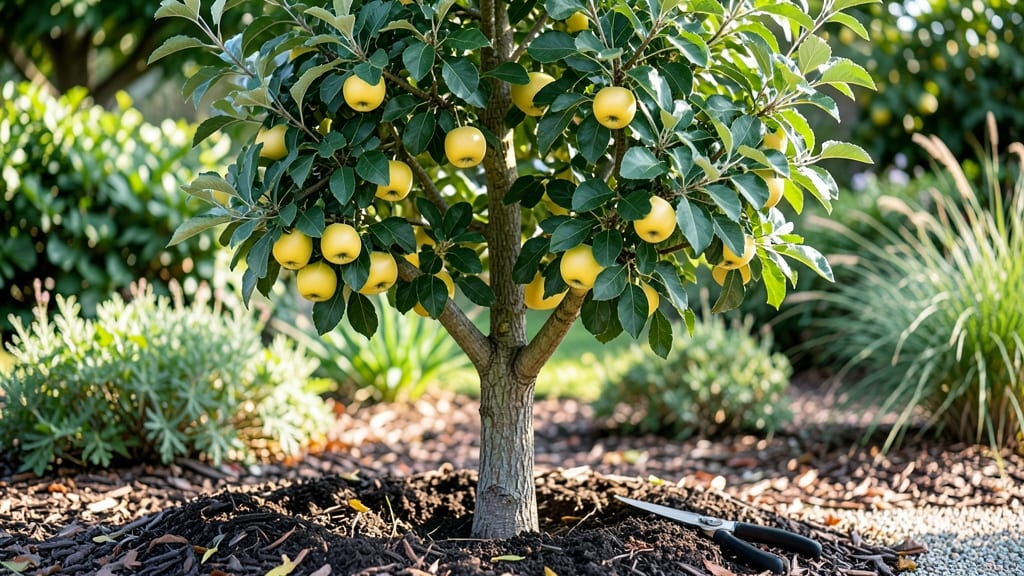
Planting a Golden Delicious tree in your backyard isn’t just about fruit—it’s about creating a living legacy that keeps giving for decades.
I’ve watched mine go from a spindly sapling to a sturdy producer, and the secret isn’t just good soil or water—it’s knowing when and how to prune year-round to maximize those sweet, crisp apples.
The first year, I nearly gave up after a single harvest, but after tweaking my pruning schedule, my tree now produces three times the fruit.
This variety thrives in full sun and well-draining soil, but where most gardeners stop, I started experimenting with seasonal pruning. Winter’s the best time to shape the tree, but summer and fall adjustments keep it productive.
You’ll need basic tools—a sharp pruner, gloves, and a ladder—and about 30 minutes every few months. The payoff? A tree that stays healthy, resists disease, and rewards you with fruit from early fall through winter.
By the end of your first full season, you’ll see the difference: branches heavy with fruit, fewer pests, and a tree that looks like it belongs in an orchard. The key is balancing growth and fruit production—too much pruning stunts yields, too little invites rot.
I’ll show you how to strike that balance so your tree becomes the star of your yard, not just another ornamental shrub.
Whether you’re in a cold climate or a mild one, this approach works—just adjust timing slightly. Let’s get your Golden Delicious tree on track for a harvest that’ll make your neighbors green with envy.
📚 In This Guide
- What you need
- Instructions
- Tips and common mistakes
- Wrapping up and next steps
What you need
- ● Pruning shears: Sharp, bypass-style shears (for cuts under ½ inch thick). Example: Felco F-2 or Corona 20300.
- ● Loppers: For branches ½–2 inches thick. Look for ratcheting or bypass models (e.g., Felco 201 or Fiskars X27).
- ● Pruning saw: A bow saw or pruning saw for thick branches (>2 inches). Tip: Choose one with a 10–12-inch blade for precision.
- ● Disinfectant: 70% isopropyl alcohol or a 10% bleach solution (1 part bleach to 9 parts water) to sterilize tools between cuts.
- ● Gloves: Heavy-duty gardening gloves (e.g., Mechanix or Dr. McGill’s) to protect against thorns and sap.
- ● Ladder or step stool: A stable, extendable ladder (e.g., 12–16 ft) or a foldable step stool for taller trees.
- ○ Pruning sealant (optional but helpful): Tree wound paint (e.g., Tanglefoot Tree Wound Pruning Seal) for cuts larger than ½ inch.
- ● Trash bags or bucket: For collecting pruned branches and debris.
- ● Timing: Prune during the tree’s dormant season (late winter/early spring) or right after harvest (fall). Avoid pruning when the tree is flowering or fruiting!
- ● Weather: Choose a dry, overcast day to prevent stress on the tree. Rain or extreme heat can hinder healing.
- ● Safety gear: Safety glasses (to protect from falling debris) and closed-toe shoes.
- ● Tree health check: Inspect the tree for diseased or dead branches (brown, brittle, or oozing sap) before pruning.
- ● ✨ Sharpen tools first! Dull blades tear wood, inviting disease. Use a file or sharpening stone before starting.
- ● 🌡️ Work in layers: Remove 30% of the canopy max in one session to avoid shocking the tree.
- ● 🎯 Mark your cuts: Use flagging tape to tag branches for removal if you’re working with a partner.
How to prune a Golden Delicious tree for maximum fruit production
This is the pruning schedule I’ve used for years to keep my Golden Delicious bearing fruit reliably—even in tight spaces.
Prune for Airflow in Late Winter
Start in late February or early March while the tree is still dormant. Remove any dead, diseased, or crossing branches first—these compete with fruit production and invite pests. I look for branches rubbing against each other and cut one of the two, always making the cut just outside the branch collar where it meets the trunk.
Thin out any branches growing inward toward the center of the tree. You want sunlight and air to reach all parts of the canopy. Aim to open up the center so light can penetrate to the inner branches—this is where most of your fruit will form. Leave only the strongest, outward-growing branches to maintain a balanced shape.
Light Summer Pruning After Harvest
Once you’ve picked the last of the fruit in late summer, do a second round of pruning. Focus on branches that grew too vigorously during the season—these often produce fewer apples. Cut back any water sprouts (those thin, upright shoots) and any branches that are growing straight up instead of outward.
This is also the time to shape the tree. If it’s getting too tall or wide for your space, make small cuts to encourage a more compact growth habit. Never remove more than one-third of the tree’s foliage in a single pruning session—this stresses the tree and reduces next year’s harvest.
Maintain Year-Round with Strategic Trimming
Throughout the growing season, keep an eye out for suckers—those small shoots growing from the base of the tree or along the trunk. Remove them immediately with clean pruning shears. These shoots drain energy from the main structure and don’t contribute to fruit production.
After heavy rains or storms, inspect the tree for broken branches. Prune these back to a healthy bud or branch collar to prevent disease from entering the wound. A little attention now keeps the tree healthy and productive for years.
Clean Up Tools and Sanitize Wounds
After each pruning session, wipe down your shears with rubbing alcohol to prevent the spread of bacterial or fungal diseases. Sterilizing tools between cuts is one of the easiest ways to keep your Golden Delicious tree thriving.
For larger cuts, apply a thin layer of pruning sealant to protect the wound from moisture and pests. This step is especially important if you’ve made cuts bigger than ½ inch in diameter. Smaller cuts don’t need sealing—they’ll heal naturally over time.
Tips & tricks for pruning a Golden Delicious tree
Here's what nobody tells you—these details make all the difference between a healthy, fruit-bearing tree and one that struggles.
The Right Time Factor: Late February or early March is your window for Step 1 pruning, but don't wait until buds start swelling—that's your cue the tree is waking up. I've seen people miss this timing and end up with less fruit the following year. The same goes for summer pruning: wait until you've harvested every last apple before making cuts, or you risk stressing the tree when it's already working hard to produce fruit.
Branch Selection Strategy: When thinning branches in Step 1, look for the "V" shape where branches meet the trunk. Cut just outside this collar—never leave a stub. I've made this mistake before, and those little stubs become entry points for disease. Also, when choosing which branch to remove when two are crossing, pick the smaller one. The tree will heal better and keep more energy for fruit production.
Seasonal Shape Maintenance: During summer pruning (Step 2), focus on creating an open center rather than just making the tree look pretty. I learned this the hard way—my first few years of pruning left dense centers that blocked sunlight, and my harvests suffered. Aim for a vase shape where sunlight reaches all branches. This also helps air circulate, reducing the risk of fungal diseases that can ruin your fruit.
Tool Care Essentials: Never skip Step 4's tool sanitation—this is non-negotiable. I've seen people reuse dirty shears and end up with bacterial cankers that can kill a tree. Always wipe blades with rubbing alcohol between cuts, especially when pruning multiple trees. For larger cuts over ½ inch, that pruning sealant isn't optional—it's your tree's first line of defense against moisture and pests trying to invade the wound.
Pro Tips for Golden Delicious Tree
- Here's what nobody tells you—these details make all the difference between a healthy, fruit-bearing tree and one that struggles.
- The Right Time Factor: Late February or early March is your window for Step 1 pruning, but don't wait until buds start swelling—that's your cue the tree is waking up.
- Branch Selection Strategy: When thinning branches in Step 1, look for the "V" shape where branches meet the trunk.
Frequently asked questions
Got questions about growing and maintaining your Golden Delicious tree? You’re not alone! Here are answers to the most common queries—from pruning tips to troubleshooting—so you can keep your tree thriving and productive year-round.
When is the best time to prune a Golden Delicious tree?
The ideal time to prune is late winter or early spring (before buds swell) or summer after harvest. Avoid pruning in fall—it can leave wounds vulnerable to disease. Light shaping can happen anytime, but major cuts should wait for dormant seasons. Pro tip: Prune on a dry day to reduce fungal risks!
How much should I trim back a Golden Delicious tree each year?
Aim to remove 15-25% of the tree’s growth per year to maintain shape and airflow. For young trees, focus on open-center pruning to encourage an umbrella-like canopy. Mature trees may need selective thinning to remove dead wood or crossing branches. Never remove more than 30% in one season—it stresses the tree!
Will pruning increase my Golden Delicious apple harvest?
Yes! Proper pruning boosts fruit production by improving light penetration and air circulation. It also directs energy toward fruit-bearing branches. Thin out crowded areas and prioritize fruit spurs (small branches with clusters of buds). Over time, you’ll see bigger, healthier apples—and fewer biennial bearing cycles (when a tree alternates heavy/light yields).
What should I do if my Golden Delicious tree has brown, crinkled leaves?
Brown or crinkled leaves often signal aphids, mites, or fungal issues (like apple scab). Start by hosing off pests with water, then apply neem oil or insecticidal soap. For fungal problems, prune infected branches 1 inch below the damage and treat with copper fungicide. Prevent future issues by ensuring good airflow and avoiding overhead watering.
Are there dwarf varieties of Golden Delicious trees I can grow in containers?
Yes! Look for dwarf or semi-dwarf rootstocks like M.9 or B.9, which are perfect for containers or small yards. These trees stay 6–10 feet tall and fruit earlier than standard varieties. Just ensure your pot has drainage holes and use well-draining soil. Bonus: Container trees are easier to move if winter temps drop!
Wrapping up and next steps
Growing a thriving Golden Delicious tree is all about patience, care, and the right pruning techniques—especially when you want year-round abundance! By mastering the art of open-center shaping, winter thinning, and summer shaping, you’ll ensure strong growth, better airflow, and a bounty of sweet, juicy apples.
Whether you’re a beginner or a seasoned gardener, these steps will set you up for success.
Ready to take the next step? Start small—pick one pruning season to focus on first, then gradually refine your skills. Before you know it, your Golden Delicious tree will be the star of your orchard! 🌳✨