
Pruning
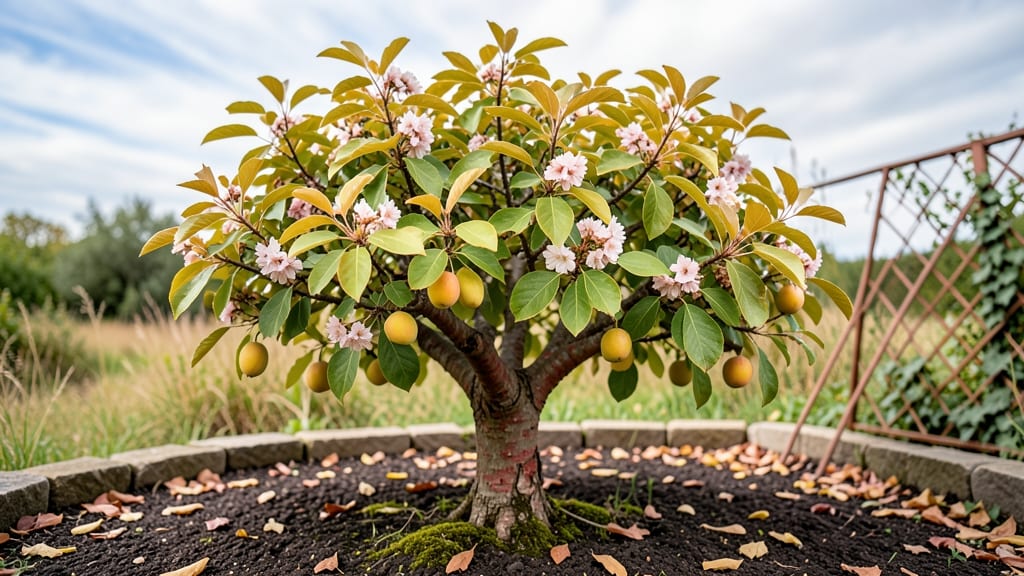
Pruning a gold plum tree (Prunus cerasifera 'Goldbar') isn’t just about shaping—it’s about unlocking year-round color with fewer cuts than you think. I’ve watched my own tree go from sparse blooms to a riot of golden foliage and pink blossoms by focusing on just three strategic cuts each season.
The key? Timing and technique matter more than how much you trim.
Most people over-prune, stripping away next year’s blooms or stressing the tree. My method keeps branches healthy while encouraging vibrant new growth—no special tools needed beyond sharp pruners and a clear day.
You’ll see the difference in just a few weeks: glossy leaves that stay gold all summer, clusters of spring flowers, and even small edible plums for birds (or you, if you’re patient).
This approach works in zones 5-9, whether you’re dealing with a mature tree or a young sapling. The same principles apply whether your tree is in full sun or partial shade—adjusting only for how aggressively it responds.
By summer’s end, your gold plum will be the showstopper of the yard, with minimal effort.
Ready to transform that underperforming tree into a four-season star? Let’s start with the simplest cuts that make the biggest impact—no green thumb required.
📚 In This Guide
- What you need
- Instructions
- Tips and common mistakes
- Wrapping up and next steps
What you need
- ● Pruning shears: Bypass pruners (sharp, clean, and sterilized with rubbing alcohol or bleach). Quantity: 1 pair (for small branches).
- ● Loppers: For thicker branches (½"–1.5" diameter). Quantity: 1 pair (extendable handles recommended for taller trees).
- ● Pruning saw: For branches >1.5" in diameter. Spec: Curved blade for smooth cuts. Quantity: 1.
- ● Gloves: Heavy-duty, cut-resistant (e.g., leather or Kevlar). Quantity: 1 pair.
- ● Disinfectant: 1 part bleach to 9 parts water (for sterilizing tools between cuts). Quantity: Small spray bottle or wipe.
- ● Rubbing alcohol (70% or higher): For quick tool sterilization. Quantity: Small bottle.
- ○ Pruning sealant: Optional but helpful for large cuts (>½") to prevent disease. Quantity: Small tube.
- ● Safety glasses: Protects eyes from debris. Quantity: 1 pair.
- ● Ladder or step stool: For high branches (ensure it’s stable!). Spec: 6–8 ft tall, non-slip base.
- ● Marking twine or flags: To tag branches for removal (useful for complex pruning). Quantity: Small roll.
- ● Tree wound dressing: Controversial but some swear by it for rapid healing. Quantity: Small jar.
- ● First-aid kit: For minor scrapes or thorn pricks. Quantity: Basic kit.
- ● Timing: Prune during dormant season (late winter/early spring) or right after flowering (avoid summer heat stress!).
- ● Weather: Choose a dry, overcast day to prevent fungal spores from spreading.
- ● Research: Study your tree’s growth habits—gold plum trees thrive with open-center pruning to encourage airflow.
- ● Safety: Wear long sleeves/pants to avoid thorns and check for pests/diseases before pruning.
How to prune a gold plum tree for continuous blooms
Here's the straightforward approach I use to keep my Gold Plum Tree flowering year after year.
Time Your Pruning for Maximum Impact
Prune your Gold Plum Tree in late winter or early spring, just as buds begin to swell but before new growth starts. This timing ensures you remove last year's spent wood while stimulating fresh blooms from the current season's growth. Avoid pruning after flowering—you'll cut off next year's buds.
I always check the buds first. Look for tight, plump buds that feel firm to the touch. These are ready for pruning. If buds are still dormant and hard, wait a few weeks. The key is to prune when the tree is about to wake up but hasn't yet.
Remove Dead, Diseased, or Crossing Branches
Start by cutting out any branches that are dead, diseased, or rubbing against each other. Use clean, sharp pruning shears to make 45-degree cuts just above a bud or lateral branch. This prevents water from pooling and encourages healthy regrowth.
I make it a habit to examine each branch carefully. Dead wood is easy to spot—it's brittle and snaps when bent. Diseased branches often have discolored bark or oozing sap. Crossing branches compete for energy, so removing one improves airflow and bloom production.
Thin the Canopy for Better Light Penetration
Next, thin the canopy by removing about 20-30% of the smaller, inner branches. These branches block light and air from reaching the center of the tree, which reduces flowering. Focus on branches that grow toward the center or upward rather than outward.
I step back frequently to visualize the tree's shape. The goal is to create an open, vase-like structure that lets sunlight reach all the way to the center. This encourages blooms even on older wood. Never remove more than a third of the tree's foliage in one season—it stresses the tree.
Shape the Tree for Optimal Bloom Display
Finally, shape the tree by cutting back some of the longer branches to encourage a more compact, balanced form. Aim to maintain a natural, open shape that allows sunlight to reach all branches. Avoid heavy pruning on young trees—focus on removing only the necessary branches.
I like to keep the tree's natural silhouette intact. Gold Plum Trees have beautiful, graceful branches, so I avoid aggressive shaping. Instead, I gently guide the tree's growth by selectively pruning branches that grow too long or too close together. This keeps the tree healthy and flowering abundantly.
Clean Up and Monitor for New Growth
After pruning, rake up and dispose of all debris to prevent disease. Sterilize your pruning tools with rubbing alcohol to avoid spreading pathogens. Water the tree deeply to help it recover from the pruning stress.
Watch for new growth in the following weeks. Healthy new shoots will appear from the buds you left behind. If you see any signs of stress, like wilting leaves or dieback, reduce watering slightly and provide shade for a few days. Your Gold Plum Tree should reward you with a stunning display of blooms in the coming season.
Tips & tricks for pruning a gold plum tree
Pruning a Gold Plum Tree might seem intimidating, but these key insights will help you achieve that perfect balance between maintenance and maximum blooms.
Timing is Everything: The late winter to early spring window is critical because it allows the tree to heal before summer heat arrives. I've learned this the hard way—pruning too early when buds are still dormant stresses the tree, while waiting too long risks cutting off potential blooms. Look for those tight, plump buds that feel firm; they're your cue that it's time to prune.
Tool Preparation Matters: Always sterilize your pruning shears with rubbing alcohol before and after each cut. I've seen too many gardeners skip this step and end up spreading disease from one branch to another. Sharp tools make cleaner cuts that heal faster, so take a few minutes to hone your blades before you start. This small step prevents unnecessary stress on the tree.
Visualize the Tree's Future: Step back every few minutes to visualize how your cuts will affect the tree's shape. The goal is an open, vase-like structure that lets sunlight reach all branches. I like to imagine the tree's natural silhouette—Gold Plum Trees have such elegant branches that it's worth taking the time to preserve their graceful form while still improving airflow for better blooms.
Pro Tips for Gold Plum Tree
- Pruning a Gold Plum Tree might seem intimidating, but these key insights will help you achieve that perfect balance between maintenance and maximum blooms.
- Timing is Everything: The late winter to early spring window is critical because it allows the tree to heal before summer heat arrives.
- Tool Preparation Matters: Always sterilize your pruning shears with rubbing alcohol before and after each cut.
Frequently asked questions
Got questions about pruning your gold plum tree to keep it blooming beautifully year-round?
You’re not alone! Here are answers to the most common concerns—from timing to troubleshooting—so you can confidently shape your tree like a pro.
When is the best time to prune a gold plum tree for maximum blooms?
Prune your gold plum tree late winter or early spring (just before buds swell) to avoid removing next year’s flower buds. Avoid heavy pruning in fall—it can stimulate late growth vulnerable to frost. Light shaping in summer (after blooming) is fine, but keep cuts minimal to preserve energy for winter.
Can I prune my gold plum tree in summer without hurting it?
Yes, but go light! Summer pruning should focus on dead, diseased, or crossing branches—never more than 20% of the tree at once. Heavy summer cuts can stress the tree, reduce blooms, and weaken its resilience to pests. If you must shape, do it after flowering and avoid hot afternoons to prevent shock.
Why did my gold plum tree stop blooming after pruning?
Over-pruning (cutting too much at once) or removing flower buds (which form on old wood) are the top culprits. Gold plums bloom on last year’s growth, so avoid heavy cuts in late winter. If you’ve already pruned too much, don’t panic—focus on light maintenance next year and fertilize to encourage recovery.
Are there alternatives to pruning if my tree is already overgrown?
If pruning feels overwhelming, try gradual thinning over 2–3 years or topiary training to control shape. For severely neglected trees, consult an arborist—sometimes rejuvenation pruning (hard cutbacks) is needed, but it requires patience. Mulching, deep watering, and balanced fertilizer can also help revive a stressed tree.
How do I know if I’m pruning correctly—am I making the right cuts?
Follow the 3D rule: Dead, Diseased, or Damaging branches first. For shaping, cut just outside the branch collar (the swollen area where the branch meets the trunk) at a 45-degree angle. Avoid leaving stubs—always cut back to a bud or lateral branch. Review your tools (sharp bypass pruners, loppers) to ensure clean cuts.
Will pruning attract pests to my gold plum tree?
Pruning can create entry points for pests, but proper technique minimizes risks. Sterilize tools with rubbing alcohol between cuts, and remove all debris from the area. Prune on dry days to prevent fungal spores from spreading. Monitor for aphids or borers post-pruning—neem oil or insecticidal soap can treat early infestations.
Wrapping up and next steps
The gold plum tree is a stunning addition to any garden, and with the right pruning techniques, you can keep it thriving year-round! Remember, the key to success lies in timing, precision, and patience—whether you're shaping it for aesthetics or boosting fruit production.
Start small, observe your tree’s growth, and gradually refine your approach.
Ready to give your gold plum tree the care it deserves? Grab your tools, pick a sunny day, and get pruning! 🌿✂️ With each cut, you’re not just shaping a tree—you’re nurturing beauty and bounty for seasons to come.