
Tools
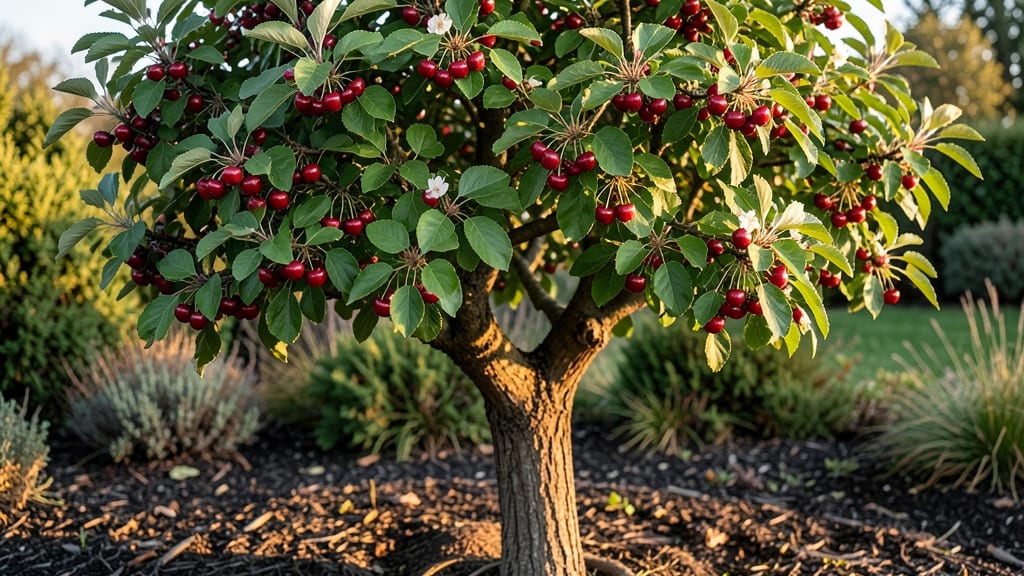
Garden a Bing cherry tree in containers for sweet, juicy fruit right on your patio—no backyard needed. 🌱 I planted mine last spring, and now it’s loaded with cherries by mid-July, something I never thought possible in my small urban space. yard.
The key isn’t just the right pot; it’s the perfect balance of sunlight, soil, and pruning to keep the tree happy and productive.
You’ll need a 5-gallon container minimum (bigger for mature trees), well-draining soil mixed with compost, and a spot that gets 6-8 hours of sun daily. Bing cherries thrive in zones 5-9, so if you’re outside that range, opt for dwarf varieties or extend the season with row covers.
The tree needs consistent watering—about 1-2 inches per week—but never soggy soil, or root rot becomes a problem.
Pruning in late winter is your secret weapon for a heavy fruit load. Cut back dead or crossing branches first, then shape the tree to open its center for airflow. Thin fruit clusters in early summer to prevent overcrowding—this ensures larger, sweeter cherries.
By harvest time, you’ll be picking deep-red fruit that bursts with flavor, and with proper care, your container tree can produce for decades.
Container growing means you can move the tree to protect it from late frosts or harsh winds, and it’s easier to monitor for pests like aphids or birds eyeing your crop.
Just keep an eye out for signs of stress—yellowing leaves or sparse blooms—and adjust water or fertilizer as needed. The payoff? Fresh Bing cherries straight from your balcony, year after year.
📚 In This Guide
- What you need
- Instructions
- Tips and common mistakes
- Wrapping up and next steps
What you need
- ● Container: A 5-gallon or larger pot with drainage holes (minimum 18-24 inches deep and 24-36 inches wide for mature trees). 5+ containers if growing multiple trees.
- ● High-quality potting mix: A well-draining blend with 50% compost, 30% perlite/sand, and 20% coco coir (avoid garden soil—it compacts). 2-3 cubic feet per container.
- ● Bare-root or container-grown Bing cherry tree: Dwarf varieties (e.g., ‘Stella’ or ‘Lapins’) for containers. 1 tree per container (pollination may require 2+ trees of compatible varieties).
- ● Slow-release fertilizer: 10-10-10 NPK ratio (apply 2-3 tbsp per container at planting).
- ● Mulch: 2-3 inches of wood chips or straw to retain moisture.
- ● Pruning tools: Bypass pruners (for small branches)
- ● Loppers (for thicker stems)
- ● Sharp pruning saw (if needed)
- ● Support system: A 3-4 ft bamboo stake or trellis to secure young trees.
- ○ Drip irrigation or soaker hose: For consistent watering (optional but highly recommended).
- ● Self-watering container: Reduces maintenance (great for busy gardeners!).
- ● Fruit thinning shears: For managing excess cherries to improve size/quality.
- ● Bird netting: Protects ripe fruit from pests (e.g., 10x10 ft net).
- ● Soil pH test kit: Ensure pH is 6.0-6.5 (cherries are picky!).
- ● Container wheels: For easy relocation (especially in winter/summer).
Step-by-step instructions for growing a Bing cherry tree in containers
Here's how to keep your cherry tree thriving and productive year after year.
🪴 Step 1: Choose the Right Container and Soil Mix
Start with a 5-gallon container or larger—Bing cherries need deep roots to support fruit production. I use a fabric grow bag because it prevents root circling and allows excess water to drain freely. Make sure it has drainage holes or add your own if needed.
Fill the container with a well-draining mix—I blend 60% high-quality potting soil, 30% compost, and 10% perlite for aeration. Avoid garden soil; it compacts too easily and holds too much moisture, which cherry roots hate. The mix should feel like a damp sponge when squeezed—if water drips out, it's too wet.
🌱 Step 2: Plant Your Cherry Tree Correctly
Dig a hole in the center of the container twice as wide as the root ball but no deeper. Gently loosen the roots if they're circling the pot—this encourages outward growth. Place the tree so the graft union (the bump where the scion meets the rootstock) sits 1-2 inches above the soil line. Burying it too deep can cause rot.
Backfill with your soil mix, pressing lightly to remove air pockets. Water deeply until it runs out the drainage holes, then let it drain completely. The first few weeks are critical—keep the soil evenly moist but not soggy. You'll know it's right when the top inch feels damp but not wet to the touch.
☀️ Step 3: Provide the Perfect Light and Temperature
Bing cherries need full sun—at least 6-8 hours daily—to set fruit. Place your container in the sunniest spot you have, like a south-facing patio or balcony. If you're in a shaded area, supplement with a grow light for 12-14 hours a day. Without enough light, the tree will produce small, sour cherries—or none at all.
Keep temperatures between 60-85°F during the growing season. If nights dip below 50°F, move the container to a sheltered spot or cover it with frost cloth. In winter, protect it from freezing by wrapping the container in bubble wrap and placing it in a garage or unheated basement. The roots need dormancy to fruit well the next year.
💧 Step 4: Water and Fertilize for Maximum Fruit
Water deeply once a week in warm weather, letting the top 2 inches of soil dry out between waterings. Overwatering is the fastest way to kill a container cherry tree—yellow leaves or wilting mean you're either drowning or dehydrating the roots. Stick your finger in the soil; if it feels dry past your first knuckle, it's time to water.
Feed your tree with a balanced, slow-release fertilizer (10-10-10) in early spring and again after harvest. I also add 1 tablespoon of Epsom salt monthly during fruit development to boost sweetness. Avoid high-nitrogen fertilizers—they encourage leafy growth at the expense of fruit. Prune lightly in late winter to open the canopy for better air circulation and sunlight penetration.
✂️ Step 5: Harvest and Overwinter for Next Year
Cherries ripen in late summer, usually around mid-August to early September. Pick them when they're deep red and slightly soft to the touch—waiting too long means birds or pests will get them first. Harvest in the morning after dew has dried to preserve sweetness. Shake the tree gently over a towel to catch falling fruit.
After harvest, reduce watering and stop fertilizing. Move the container to a cool, dark place (like a garage) for 6-8 weeks to simulate winter dormancy. This ensures a strong flush of blossoms next spring. In early spring, bring it back into light and resume care. With proper overwintering, your container Bing cherry will keep producing fruit for years.
Tips & tricks for perfect container Bing cherry trees
Here's what nobody tells you about keeping your container-grown Bing cherry thriving—these are the details that separate a struggling tree from one loaded with fruit.
Container Size Matters: While a 5-gallon container works for young trees, upgrade to at least a 7-10 gallon container by year three to accommodate root growth. I've seen trees in 5-gallon pots struggle to produce quality fruit after just two seasons—root-bound trees put all their energy into leaves, not fruit. If you're planning for long-term production, invest in a larger container from the start.
Graft Union Protection: The graft union—the critical bump where the Bing cherry scion meets the rootstock—must stay visible above the soil line. If you bury it too deep during planting (Step 2), rot can develop, killing the tree. Mark the graft union with a small flag or paint dot before planting so you can verify its position after backfilling. This is especially important in containers where soil levels can shift with watering.
Light Supplement Strategy: If your space only gets 4-5 hours of direct sun, don't give up! Supplement with a full-spectrum LED grow light positioned 6-12 inches above the tree for the required 12-14 hours. I use a timer to automate this—cherries need consistent light, and manual oversight often fails. Place the light on a adjustable stand so you can raise it as the tree grows. Without enough light, your tree will produce tiny, tart cherries instead of the sweet, juicy Bing variety.
Winter Dormancy Hack: For the 6-8 week dormancy period (Step 5), I move my container to an unheated garage where temperatures naturally drop to 35-45°F. If your garage stays above 50°F, place the container on a bed of straw or in a cardboard box with ice packs to simulate winter conditions. This cold treatment is what triggers the tree to produce next year's blossoms—and ultimately, your fruit harvest. Skipping this step often results in sparse flowering.
Pro Tips for Garden Bing Cherry Tree
- Here's what nobody tells you about keeping your container-grown Bing cherry thriving—these are the details that separate a struggling tree from one loaded with fruit.
- Container Size Matters: While a 5-gallon container works for young trees, upgrade to at least a 7-10 gallon container by year three to accommodate root growth.
- Graft Union Protection: The graft union—the critical bump where the Bing cherry scion meets the rootstock—must stay visible above the soil line.
Frequently asked questions
Got questions about growing Bing cherries in containers? You’re not alone!
Here are some of the most common queries—and their practical answers—to help you cultivate a thriving garden Bing cherry tree, even in small spaces.
How cold can a container-grown Bing cherry tree tolerate?
Bing cherry trees thrive in USDA Zones 5-9 but need winter protection in containers. Young trees or those in pots should be wrapped in burlap and moved to a sheltered spot (like against a south-facing wall) when temps drop below 20°F (-7°C). Mulch the root ball heavily with straw or leaves for extra insulation.
When is the best time to harvest Bing cherries from a container?
Harvest Bing cherries when they’re deep red, slightly soft to the touch, and easily detach from the stem. For container trees, this typically occurs in late June to early July, depending on your climate. Pick in the morning to preserve sweetness and avoid birds snacking on your crop!
Can I grow a Bing cherry tree in a container for years without replanting?
While possible, container-grown Bing cherries need annual repotting (every 2–3 years) to prevent root-bound stress. Use a 50-gallon or larger pot with drainage holes and fresh, well-draining soil. Root pruning during repotting encourages healthier growth. Without repotting, yields may decline, and the tree’s lifespan shortens.
Why are my Bing cherry leaves curling or yellowing in a container?
Curling/yellowing leaves often signal overwatering, nutrient deficiency, or pests. Check soil moisture (containers dry faster!) and adjust watering to keep soil evenly moist but not soggy. Yellowing edges may indicate iron deficiency—try a chelated iron supplement. Inspect undersides for mites or aphids and treat with neem oil if needed.
Do container Bing cherry trees produce fruit every year?
Yes! With proper care, container-grown Bing cherries can fruit annually. For consistent yields:
- Ensure full sun (6+ hours daily) and cross-pollination (plant a second Bing or compatible variety like ‘Stella’ within 50 feet).
- Fertilize in early spring and summer with a balanced fruit-tree formula.
- Avoid pruning heavily in late summer, as it reduces next year’s blossoms.
What’s the largest container size for a Bing cherry tree?
While Bing cherries adapt to containers, 30–50 gallons is ideal for mature trees (10–15 feet tall). Larger pots (like 75+ gallons) support bigger trees but require heavy lifting and more water. Use lightweight, breathable materials like fabric grow bags or plastic barrels to reduce weight.
Wrapping up and next steps
Growing a garden Bing cherry tree in containers is a rewarding way to enjoy fresh, sweet fruit year-round—even in small spaces! With the right soil, sunlight, and care, you’ll harvest juicy cherries while adding beauty to your home.
Whether you’re a beginner or a seasoned gardener, this method makes it easier than ever to cultivate your own orchard.
Now that you’re armed with tips and answers, take the next step—plant your tree and watch it thrive! 🌱 Start small, stay patient, and soon you’ll be savoring homegrown Bing cherries straight from your container garden. Happy planting! 🍒