
Trees
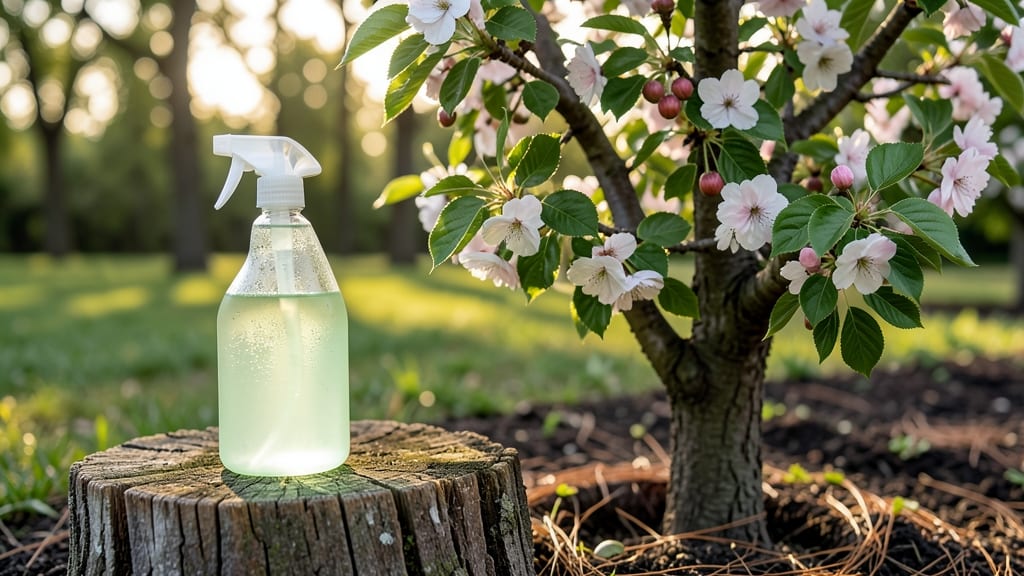
When your cherry tree’s blossoms turn to blackened mush overnight, you’re staring down blossom blight—and that’s when fungicides for cherry trees become your best friend. 🌿 I’ve seen this heartbreaking sight too many times, and the key to saving your tree lies in acting fast with the right treatment.
The good news? You don’t need a chemistry degree to make a difference. Copper-based sprays and neem oil work wonders for organic gardeners, while systemic fungicides like myclobutanil offer stronger protection for severe cases.
The trick is applying them before the rain arrives—spring is your window, not after the damage is done.
By mid-June, you’ll see those glossy green leaves staying put instead of spotting with brown. The right fungicide keeps your tree healthy enough to produce fruit, and the difference between a treated and untreated tree is night and day. Just don’t wait until the leaves are already curling.
This works for sweet cherries, tart cherries, and even ornamental varieties—just adjust the timing based on your local frost dates. Let’s get your tree back to its full, disease-free glory before next season.
📚 In This Guide
- What you need
- Instructions
- Tips and common mistakes
- Wrapping up and next steps
What you need
- ● Fungicide: Choose a copper-based fungicide (e.g., Copper Sulfate or Copper Hydroxide) or a systemic fungicide like Myclobutanil or Propiconazole. Follow label instructions for concentration (e.g., 1–2 lbs of copper per 100 gallons of water).
- ● Sprayer: A hose-end sprayer (2–4 gallons capacity) or a backpack sprayer (4–10 gallons) with a fine-mist nozzle (e.g., 8002E or 8004E for even coverage).
- ● Protective Gear: Nitrile gloves (waterproof, 1 pair)
- ● Long-sleeved shirt and pants (to avoid skin contact)
- ● Safety goggles (for eye protection)
- ● Water: Clean, pH-neutral water (5–10 gallons per tree, depending on size). Avoid hard water if using copper-based fungicides.
- ● Ladder or Step Stool: For reaching taller branches (ensure it’s stable and rated for your weight).
- ● Pruning Shears: For trimming infected branches (sterilize with rubbing alcohol between cuts).
- ● Sticky Traps: To monitor for pest activity (e.g., aphids that spread disease).
- ● pH Test Kit: To check water pH (ideal range: 5.0–7.0 for fungicide effectiveness).
- ● Weather App: To schedule spraying for early morning or late evening (avoid high winds or direct sun).
Step-by-step guide to applying fungicides for cherry tree health
Here's how I protect my cherry trees from blossom blight and leaf spot—no guesswork, just effective prevention.
🌿 Step 1: Choose the Right Fungicide for Your Cherry Tree Type
Sweet and tart cherry trees need different fungicide approaches. For blossom blight (caused by Botryosphaeria or Leucostoma), copper-based fungicides like copper sulfate or copper hydroxide work best. These are organic options that also prevent leaf spots. If you're dealing with powdery mildew or leaf spot (common in humid climates), sulfur-based fungicides or neem oil are excellent choices.
I always check the label for cherry tree compatibility—some fungicides are safe for fruit trees, while others are not. For example, chlorothalonil is effective but not organic, so I reserve it for severe outbreaks. Timing matters too: apply fungicides before symptoms appear, not after. That's the key to stopping fungal spores in their tracks.
💧 Step 2: Prepare the Tree and Equipment for Application
Start by pruning any dead or diseased branches—dispose of them in a sealed bag, not your compost pile. Fungal spores can survive in infected wood. Next, clean your sprayer thoroughly with a 10% bleach solution (1 part bleach to 9 parts water) to kill any lingering fungal spores from previous uses. Rinse well before mixing your fungicide.
Wear long sleeves, gloves, and a mask if using copper or sulfur-based products—they can irritate skin and lungs. I like to work on a calm, overcast day to avoid inhaling dust or missing spots due to wind. Mix your fungicide in a clean bucket with 1 gallon of water per 2 pounds of copper sulfate (or follow the label's dilution rate). Stir well until fully dissolved.
☀️ Step 3: Apply Fungicide at Critical Growth Stages
Timing is everything with cherry trees. For blossom blight prevention, apply your first fungicide treatment just before bud break (when you see tiny green buds forming) and again during full bloom. This stops spores from infecting flowers, which is where blossom blight starts. A third application 4-6 weeks after petal fall protects developing fruit.
For leaf spot control, focus on applications every 7-14 days during wet or humid periods. Use a high-pressure sprayer to ensure coverage on both leaf surfaces and branches. I aim for a fine mist that coats the foliage uniformly—you should see droplets clinging to leaves after spraying. Avoid spraying when rain is forecast within 24 hours, as it washes the fungicide off.
✂️ Step 4: Monitor and Reapply as Needed
Check your trees weekly for signs of fungal activity. Look for dark brown spots on leaves, blackened blossoms, or white powdery growth—these are red flags. If you spot any, apply another round of fungicide immediately. I keep a log of treatments to track patterns—some years, my trees need extra protection during rainy springs.
Don't skip the fall cleanup. After leaves drop, rake and remove all fallen debris from under the tree. Fungal spores overwinter in leaf litter, so this step cuts down on next year's infections. I also apply a layer of mulch (2-3 inches thick) around the base to improve soil health and reduce splashing water that spreads spores.
Tips & tricks for perfect cherry tree fungicide application
Timing and technique make all the difference when protecting your cherry trees from fungal diseases.
Timing Secret: The 24-hour rule is critical after application—avoid watering or rain within this window. Fungal spores need moisture to activate, so keeping your trees dry after spraying gives the fungicide time to establish a protective barrier. I've seen blossom blight develop after heavy rain just 12 hours post-treatment, so plan your schedule accordingly.
Equipment Upgrade: Invest in a high-pressure sprayer with adjustable nozzles for better coverage. The goal is a fine mist that penetrates both leaf surfaces and reaches the undersides where fungal spores often hide. I use a backpack sprayer for larger trees—it's more comfortable for extended applications and provides consistent pressure throughout.
Seasonal Strategy: Start your fungicide schedule in early spring, just as buds begin to swell. This is when fungal spores are most active and vulnerable. I mark my calendar for the first application when I see those tiny green buds forming—it's usually around late March in my zone. Don't wait until you see symptoms; prevention is always easier than treatment.
Monitoring Tip: Keep a simple treatment log with dates and weather conditions. Note any unusual patterns—like extra rain or sudden temperature drops—that might require additional applications. Last year, my trees needed an extra treatment after an unexpected cold snap in May, which extended the blossom period and created ideal conditions for fungal growth.
Pro Tips for Fungicides For Cherry Trees
- Timing and technique make all the difference when protecting your cherry trees from fungal diseases.
- Timing Secret: The 24-hour rule is critical after application—avoid watering or rain within this window.
- Equipment Upgrade: Invest in a high-pressure sprayer with adjustable nozzles for better coverage.
Frequently asked questions
about using fungicides for cherry trees—because even the best gardeners need a little extra help! Here’s what you’ve been asking:When is the best time to apply fungicide to cherry trees?
Apply fungicides before symptoms appear—typically in early spring (dormant season) and again after blooming (around May-June). For preventive care, start when buds swell and continue every 7-14 days during wet or humid conditions. Pro tip: Follow the product label for specific timing based on your climate!
Can I use homemade or organic fungicides instead of chemical ones?
Yes! Organic options like copper fungicide, neem oil, or baking soda spray (1 tbsp baking soda + 1 quart water + a drop of soap) can work for mild infections. However, severe cases (like brown rot) may require synthetic fungicides for full control. Always test a small area first to avoid leaf burn.
Why isn’t my fungicide working? Troubleshooting common issues.
If fungicides fail, check these fixes:
- Wrong timing: Apply before rain or when leaves are wet (spray in the evening for better absorption).
- Incomplete coverage: Focus on both sides of leaves and under branches—missed spots let fungi thrive.
- Resistant strains: Rotate fungicides (e.g., alternate copper and sulfur-based products) to prevent resistance.
- Environmental stress: Overwatering or poor drainage weakens trees—improve soil health first.
Are fungicides safe for fruit-bearing cherry trees?
Most label-approved fungicides (like myclobutanil or thiophanate-methyl) are safe for fruit trees if applied correctly and within the pre-harvest interval (check the label!). Avoid copper-based sprays close to harvest, as they can leave residues. Always rinse fruit before eating if sprayed within 7–14 days of picking.
How much will fungicide treatments cost for a cherry tree?
Costs vary by product and tree size:
Product Type
Approx. Cost (Per Season)
Coverage
Organic (copper/neem)
$20–$50
Small trees (1–3 applications)
Synthetic (e.g., Captan, fungicide sprays)
$50–$150
Medium/large trees (3–5 applications)
Systemic (soil drench)
$80–$200
Long-term prevention (1–2 treatments/year)
Pro tip: Buy in bulk or split costs with neighbors if you have multiple trees!
Wrapping up and next steps
Choosing the right fungicides for cherry trees is your best defense against blossom blight and leaf spot, ensuring healthier fruit and lush foliage. Whether you opt for copper-based, organic, or synthetic solutions, consistency is key—apply treatments at the right times and follow safety guidelines.
With the right approach, your cherry tree can thrive and reward you with bountiful harvests for years to come! 🌿
Ready to take action? Monitor your tree regularly, start treatments early, and keep notes on what works best for your climate. Your cherry tree’s future starts with today’s proactive care!