
Pruning
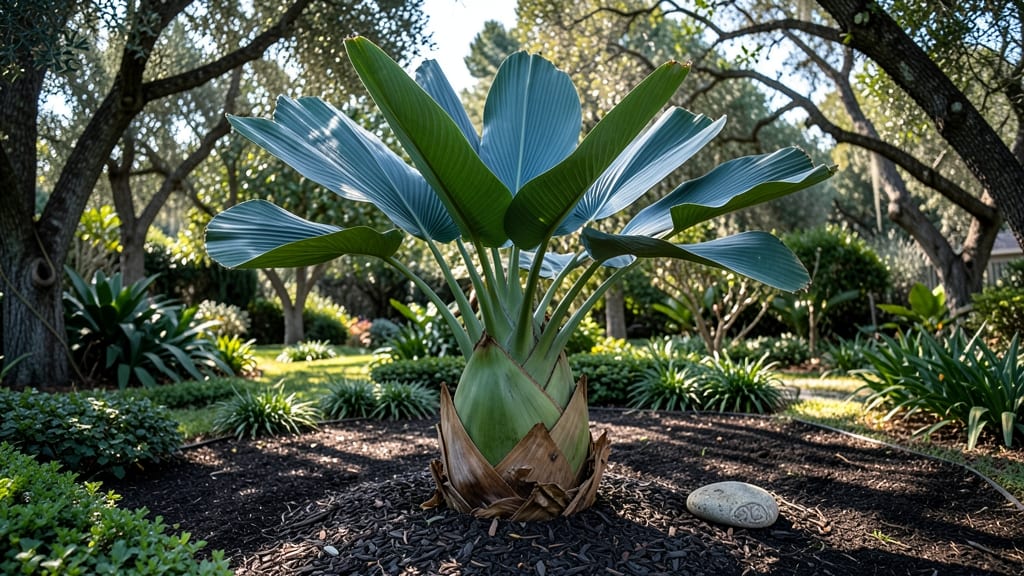
Growing an ensete banana tree means welcoming a striking, edible giant that thrives where most bananas freeze—down to 15°F in the right conditions. 🌿 The first time I saw one unfurl its massive, pleated leaves, I knew this wasn’t just another houseplant.
This is a statement plant with a side of culinary potential, and it’s far easier to grow than its tropical reputation suggests.
The secret lies in its adaptability: partial shade tolerance, drought-resistant roots once established, and a preference for well-draining, slightly acidic soil (think 6.0–6.5 pH). My ensete thrives in a 5-gallon container on my shady patio, proving you don’t need a jungle to grow one.
Start with a sucker or division—no fancy nurseries required—and you’ll have a 6-foot-tall specimen in just 3–4 years with minimal fuss.
What you’ll love most is how it pays you back: harvest the pseudostem (yes, it’s edible!) when mature, or simply admire the velvety, blue-green foliage that outshines any ornamental banana. The only trade-off?
Patience—growth slows in winter, but that’s when the architectural beauty really shows. Prune dead leaves in early spring, and watch it bounce back with new shoots by summer.
Perfect for USDA zones 7–11, this plant handles humidity, heat waves, and even light frosts—unlike its delicate cousins. Whether you’re growing it for food, foliage, or just bragging rights, the ensete banana tree proves big rewards come from low-maintenance plants.
Ready to grow one that turns heads and your dinner table?
📚 In This Guide
- What you need
- Instructions
- Tips and common mistakes
- Wrapping up and next steps
What you need
- ● Ensete banana plant: 1-2 healthy suckers or nursery-grown plants (ensure they’re disease-free).
- ● Well-draining soil: 3-5 bags (10-15 lbs each) of a mix like 50% garden soil + 30% compost + 20% perlite/sand.
- ○ Container (optional for pots): 1 large pot (24"+ diameter) with drainage holes or a 6’x6’+ in-ground space.
- ● Organic mulch: 1-2 bags of straw or wood chips (2-3 cubic feet) to retain moisture.
- ● Slow-release fertilizer: 1 bag of 10-10-10 NPK or banana-specific fertilizer.
- ● Garden trowel or shovel (for planting).
- ● Pruning shears (sterilized, for removing dead leaves or pseudostems).
- ● Watering can or hose with nozzle (for deep, infrequent watering).
- ○ pH testing kit (optional) to check soil acidity (ideal: 5.5–6.5).
- ○ Cold frame or frost cloth (optional) for young plants in USDA Zones 7-9.
- ● Sunlight: Full sun (6+ hours/day) or partial shade in hot climates.
- ● Water access: Consistent moisture (but avoid waterlogging).
- ● Patience: Ensete grows slowly—harvestable pseudostems take 2–3 years!
Step-by-Step instructions for growing ensete banana trees
Here's how to cultivate this striking, edible giant—with minimal fuss.
🌱 Step 1: Select and Prepare Your Planting Site
Ensete thrives in partial shade to full sun but tolerates 20-30°F—far colder than most bananas. Choose a spot with well-draining soil and 6+ feet of vertical space (they grow 10-15 feet tall). I always test drainage first by digging a 12-inch hole and filling it with water; if it drains in under an hour, the site is safe.
Amend heavy clay with 3 inches of compost and a handful of wood ash to raise pH slightly. Ensete prefers slightly acidic to neutral soil (pH 6.0-7.0). Work the amendments into the top 12 inches of soil—this mimics their natural forest-edge habitat.
🪴 Step 2: Plant the Sucker or Offshoot
Ensete spreads via suckers (offshoots) from the mother plant. Separate these in early spring when they're 6-12 inches tall and have 3-4 leaves. Dig a hole twice as wide as the root ball but only as deep—planting too deep suffocates the crown.
Place the sucker so the top of the root ball sits level with the soil surface. Backfill with native soil, tamping gently to eliminate air pockets. Water deeply until moisture reaches 12 inches down—this encourages deep rooting. Avoid mulching heavily at first; let the soil settle for 2-3 weeks before adding 3 inches of wood chips to retain moisture.
☀️ Step 3: Establish Water and Light Balance
Young plants need consistent moisture but no soggy roots. Water twice weekly in summer, checking that the top 4 inches of soil stay damp (not wet). Mature plants are drought-tolerant once established, but first-year growth depends on steady hydration. I use a soaker hose to deliver water slowly at the base—this prevents leaf scorch.
Ensete handles shade better than most bananas, but morning sun boosts growth. If leaves yellow between veins, it’s too much shade; if they crisp, move to dappled light. This plant’s blue-green, pleated leaves are its trademark—watch for that color to deepen as it matures.
✂️ Step 4: Prune and Harvest Pseudostems
Deadhead yellowed or damaged leaves at the base with clean, sharp shears—never pull leaves, as this tears the pseudostem. Harvest mature pseudostems (not leaves) when they’re 5-7 feet tall and the outer sheath turns brown. Cut 2 inches above ground level with a pruning saw to avoid damaging the crown.
Real talk: Harvesting too early yields tough, fibrous pseudostems. Wait until the center stem feels soft when pressed—this signals peak edibility. After harvest, the plant sends up new shoots within 4-6 weeks. I’ve found that leaving 2-3 shoots per plant ensures continuous growth.
🌿 Step 5: Protect in Winter and Fertilize Strategically
Ensete’s cold hardiness is legendary, but young plants under 2 years old need winter mulch. Pile 6 inches of straw around the base in November, then remove it in March as new growth appears. Older plants handle frost down to 15°F with just 3 inches of mulch—their thick pseudostems insulate roots naturally.
Fertilize once in spring with 5-10-10 (use ½ cup per plant). Avoid high-nitrogen feeds—Ensete grows slow but steady, and too much nitrogen promotes weak, floppy leaves. I top-dress with compost tea in summer for a gentle nutrient boost without burning roots.
Tips & tricks for growing ensete banana trees
Here's what I've learned after years of growing these remarkable plants—avoid these common pitfalls for healthier, more productive ensete.
Soil Preparation Secret: The 12-inch deep soil amendment in Step 1 isn't just about nutrients—it's about creating the right microbial environment. Ensete thrives with mycorrhizal fungi that develop in loose, well-aerated soil. After amending, I press a metal rod into the soil to check for compaction. If it resists, I add another inch of compost and mix again. This mimics the forest floor where ensete naturally grows, ensuring your plants establish strong root systems that can handle their impressive height.
Planting Depth Caution: I can't stress enough how critical Step 2's planting depth is. The top of the root ball must sit level with the soil—any deeper and you'll suffocate the crown, causing rot. I've seen beginners plant too deep, only to watch their ensete struggle for months. To verify, use a level tool or reference the container's rim where the plant was growing. After planting, gently press the soil around the base to create a slight well for water retention without creating a depression that could hold excess moisture.
Winter Protection Strategy: For young plants under 2 years old, the 6-inch straw mulch in Step 5 isn't just about insulation—it's about creating a microclimate. I've found that piling straw against the pseudostem (not just around it) provides better protection. For extra insurance in extremely cold climates (below 15°F), I wrap the entire plant with burlap after adding the mulch. This creates an air pocket that traps warmth while allowing moisture to escape, preventing frost damage to the growing point.
Harvesting Timing: The 5-7 foot height and brown outer sheath in Step 4 are just the beginning—press the center stem to check for softness. I've harvested too early and gotten tough, fibrous pseudostems that were nearly inedible. The perfect harvest feels like pressing a ripe avocado—yielding slightly but not mushy. After harvesting, I mark the harvest date on the plant tag to track regrowth. New shoots typically appear within 4-6 weeks, but this can vary with temperature and soil conditions.
Pro Tips for Ensete Banana Tree
- Here's what I've learned after years of growing these remarkable plants—avoid these common pitfalls for healthier, more productive ensete.
- Soil Preparation Secret: The 12-inch deep soil amendment in Step 1 isn't just about nutrients—it's about creating the right microbial environment.
- Planting Depth Caution: I can't stress enough how critical Step 2's planting depth is.
Frequently asked questions
Got questions about growing and caring for the ensete banana tree? You’re not alone—this striking, cold-hardy plant has its quirks! Below, we’ve rounded up the most common queries to help you cultivate your own Ensete ventricosum with confidence.
How cold-hardy is the ensete banana tree, really?
The ensete banana tree is one of the toughest banana relatives out there, surviving temperatures as low as 15–20°F (-9 to -7°C) with proper care. However, young plants or those in containers may need winter protection (like mulch or a frost cloth). In zones 7–11, it thrives outdoors year-round!
How long does it take for an ensete banana tree to produce edible pseudostems?
Patience is key! Mature ensete trees typically take 3–5 years to grow large enough pseudostems for harvesting. Immature plants focus on leaf growth, so don’t rush—healthy roots and leaves mean future feasts. Pro tip: Fertilize lightly in spring to encourage steady growth.
Can I grow ensete banana trees in containers, or do they need ground planting?
Yes! While they prefer the ground, ensete trees adapt well to large containers (at least 20+ gallons) with drainage holes. Use a well-draining mix (like 60% potting soil + 40% perlite/sand). Just remember: container-grown trees may need more frequent watering and winter protection in cold climates.
Why are my ensete banana leaves turning yellow or brown?
Yellowing leaves often signal overwatering or poor drainage, while brown edges can mean underwatering or salt buildup. Check the soil moisture—ensete trees like it moist but not soggy. Also, inspect for pests like spider mites (common in dry conditions) and treat with neem oil if needed.
How do I harvest and prepare ensete pseudostems for eating?
Harvest only mature pseudostems (3+ years old) by cutting at the base. Peel away the fibrous outer layer, then ferment or cook the inner flesh (like a potato or artichoke). Warning: Raw ensete contains oxalates—always cook thoroughly! Fermentation reduces bitterness and improves digestibility.
Wrapping up and next steps
The Ensete banana tree is a stunning, low-maintenance plant that rewards patience with its edible pseudostems and striking foliage. Whether you’re growing it for its culinary potential, ornamental appeal, or cold-hardiness, remember that proper spacing, well-draining soil, and seasonal care are key to success.
With a little effort, you’ll soon enjoy a thriving giant in your garden—and maybe even a delicious harvest!
Ready to take the next step? Start by planting your Ensete banana tree this season and watch it flourish. Share your progress with fellow gardeners or explore creative ways to use its edible parts in your kitchen. Happy growing! 🌱✨