
Pruning
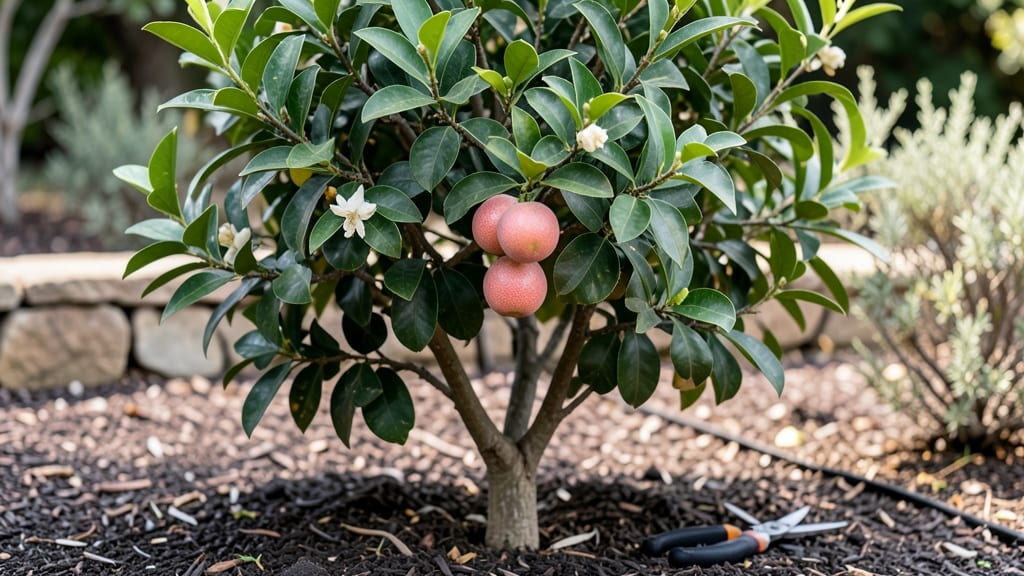
A cocktail grapefruit tree thrives in Pacific Northwest containers with the right care—imagine fresh fruit in a climate where citrus usually fails. 🌿 I’ve grown mine for three years now, and the secret isn’t just sunlight or soil, but understanding how this tropical tree adapts to cooler climates.
The key is mimicking its natural habitat: bright light, humidity, and protection from winter chills.
You’ll need a 15-gallon pot with drainage holes, a well-draining citrus mix, and a spot that gets 6+ hours of sunlight daily. My tree sits on a sunny patio in summer, then moves to a garage with grow lights during winter.
Overwatering is the biggest mistake—let the top inch of soil dry out between waterings, and fertilize lightly every 6 weeks during growing season.
By year two, you’ll harvest small, tart grapefruits perfect for cocktails or fresh eating. The tree stays compact (under 6 feet tall) with regular pruning, and the glossy leaves add tropical flair to any space.
The real magic? Watching those first fruits form in late summer—nothing beats the taste of homegrown citrus in a PNW winter.
Works indoors or out, though outdoor trees need winter protection. Here’s how to keep yours thriving year-round without the usual citrus struggles.
📚 In This Guide
- What you need
- Instructions
- Tips and common mistakes
- Wrapping up and next steps
What you need
- ● Cocktail grapefruit tree: 1 young tree (3–5 years old, cold-hardy variety like 'Redblush' or 'Rio Red'—check local nurseries for PNW-friendly options)
- ● OR seeds from a ripe cocktail grapefruit (germination takes 4–8 weeks; expect low success rates)
- ● Soil: 50 lbs. well-draining citrus soil mix (or DIY: 60% potting soil + 30% perlite + 10% sand)
- ● 1 lb. organic citrus fertilizer (e.g., 6-6-6 NPK ratio, slow-release)
- ● Container (if potted): 1 large pot (15+ gallons) with drainage holes or in-ground planting site (sheltered from wind)
- ● Hand trowel or small shovel
- ● Pruning shears (sterilized with rubbing alcohol)
- ● Garden gloves (nitrile-coated for grip)
- ● Watering can or hose with gentle spray nozzle
- ○ Optional but helpful: Mulch (3–4 inches of pine bark or straw)
- ● pH test kit (ideal soil pH: 6.0–7.0 for citrus)
- ● Drip irrigation system (for consistent moisture)
- ● Sunlight access: Full sun (6+ hours/day)—use a greenhouse or indoor grow lights if natural light is limited.
- ● Climate control: Protect from frost (below 28°F is lethal; use row covers or move pots indoors)
- ● Humidity: 40–60% (mist leaves lightly if air is dry)
- ● Patience: Cocktail grapefruits take 3–5 years to bear fruit in ideal conditions.
Step-by-step guide to cultivating a thriving cocktail grapefruit tree
Here's how to transform your Pacific Northwest space into a fragrant citrus haven.
🌱 Step 1: Select the Right Variety and Site
Choose a cold-hardy cocktail grapefruit variety like 'Ruby Red' or 'Orlando'—these tolerate brief dips to 20°F better than standard types. The Pacific Northwest's mild winters make them perfect for container growing, but even in-ground plantings need winter protection.
Site your tree where it gets full sun (6+ hours daily)—a south or west-facing spot works best. Grapefruit trees hate wind, so shield them with a fence or building if your yard is exposed. I always check for afternoon shade from nearby structures, as late-day sun can scorch leaves.
🪴 Step 2: Prepare the Container or Planting Hole
For containers, use a 24-inch diameter pot with drainage holes—grapefruit trees need room for roots and won't thrive in cramped spaces. Fill the bottom third with gravell or cactus mix to improve drainage, then add a well-draining citrus potting mix (avoid regular garden soil—it compacts and causes root rot).
If planting in-ground, dig a hole twice as wide as the root ball but no deeper. Amend the native soil with compost and a handful of superphosphate to boost phosphorus for root development. The tree's topsoil line should sit 1 inch above ground level to prevent waterlogging.
☀️ Step 3: Plant and Establish Initial Care
Remove the tree from its nursery pot and loosen the roots gently if they're circling. Place it in the prepared hole or container, then backfill with soil while firming it lightly around the base. Water deeply until it drains from the bottom—this settles the soil and removes air pockets.
After planting, mulch with 2 inches of wood chips, keeping it 6 inches away from the trunk to prevent rot. Water twice weekly for the first month, ensuring the top 4 inches of soil stay moist but not soggy. Grapefruit trees are drought-tolerant once established, but young plants need consistent moisture.
✂️ Step 4: Prune and Fertilize for Optimal Growth
Prune in late winter or early spring before new growth begins. Remove any dead, crossing, or inward-growing branches first, then thin the canopy to improve airflow. I always cut back to an outward-facing bud to encourage healthy growth. Sterilize pruners with rubbing alcohol between cuts to prevent disease.
Fertilize monthly from spring to fall with a balanced citrus fertilizer (6-6-6 or 8-3-9 ratio). Follow package instructions, but halve the dose if your tree is in a container—roots absorb nutrients faster in limited soil. Stop fertilizing in winter when growth slows.
🍊 Step 5: Protect and Harvest for Pacific Northwest Conditions
Winterize your tree by covering the container with burlap or moving it to a garage or shed if temperatures drop below 25°F. For in-ground trees, wrap the trunk with tree wrap and mound 6 inches of mulch around the base. Check for frost damage in early spring—remove any blackened branches with clean pruners.
Harvest grapefruit when they're deep orange and slightly soft to the touch—usually 9-12 months after flowering. Twist gently to detach; if it resists, use pruners. Store at room temperature for up to 2 weeks or refrigerate for 4-6 weeks. The first year yields little, but patience pays off with a bountiful citrus canopy by year three.
Tips & tricks for perfect cocktail grapefruit tree cultivation
Real talk: Growing a thriving cocktail grapefruit tree in the Pacific Northwest takes more than just planting and hoping for the best. Here's what nobody tells you about making it flourish.
Cold-Hardiness Strategy: The 20°F tolerance of 'Ruby Red' and 'Orlando' varieties is their superpower, but don't get complacent. I've seen trees survive those dips only to suffer from late frosts in spring. If you're in zones where temps fluctuate near 20°F, consider adding a frost cloth during critical bloom periods—it creates a 4-5°F buffer that can mean the difference between fruit set and bare branches.
Container Upgrade: That 24-inch diameter pot is non-negotiable, but here's the secret: add two 4-inch drainage tubes to the bottom before filling with gravel. This prevents waterlogging better than standard drainage holes, especially during our rainy seasons. I've had trees in containers without this modification develop root rot after just two winters.
Sunlight Optimization: The 6+ hours of daily sun requirement is strict, but quality matters more than quantity. Position your tree to capture morning sun first—it helps dry dew quickly and prevents fungal issues. In exposed locations, use a windbreak made of bamboo stakes and shade cloth on the windward side; this creates a microclimate that mimics sheltered orchards.
Winter Protection Hack: When covering containers with burlap below 25°F, leave the top 6 inches uncovered. This allows heat to escape from the soil while protecting the vulnerable trunk. For in-ground trees, I've found that wrapping the trunk with tree wrap and adding a 6-inch layer of straw mulch (not wood chips) provides better insulation than the standard 6 inches of wood chips alone.
Pro Tips for Cocktail Grapefruit Tree
- Real talk: Growing a thriving cocktail grapefruit tree in the Pacific Northwest takes more than just planting and hoping for the best.
- Cold-Hardiness Strategy: The 20°F tolerance of 'Ruby Red' and 'Orlando' varieties is their superpower, but don't get complacent.
- Container Upgrade: That 24-inch diameter pot is non-negotiable, but here's the secret: add two 4-inch drainage tubes to the bottom before filling with gravel.
Frequently asked questions
Got questions about growing a cocktail grapefruit tree in the Pacific Northwest? You’re not alone! Here are answers to the most common queries to help you cultivate this zesty citrus canopy with confidence.
Can a cocktail grapefruit tree survive the PNW’s cool, wet winters?
While cocktail grapefruit trees (Citrus × paradisi ‘Cocktail’) thrive in warmer climates, they’re not cold-hardy for the PNW’s winters. Grow yours in a large container and move it indoors (or under a greenhouse) when temperatures dip below 30°F (-1°C). A sunny patio or garage with bright light works well! For outdoor planting, consider microclimates near south-facing walls or use row covers for extra protection.
How long does it take for a cocktail grapefruit tree to bear fruit?
Patience is key! A container-grown cocktail grapefruit tree may take 3–5 years to produce fruit, while outdoor trees in ideal conditions can bear fruit in 2–4 years. Ensure it gets full sun (6+ hours/day), well-draining soil, and regular fertilization (citrus-specific formula) to speed up fruiting. Prune wisely—focus on removing dead branches and thinning dense growth to improve air circulation and fruit production.
Are cocktail grapefruits sweeter or more tart than regular grapefruits?
Cocktail grapefruits are sweeter and less bitter than traditional grapefruits, with a juicier, aromatic flesh and a hint of floral notes. Their thin, easy-to-peel rind makes them perfect for cocktails, salads, or fresh eating. However, flavor can vary based on growing conditions—overwatering or poor sunlight may dull sweetness. Harvest when the fruit turns deep yellow-green and yields slightly to gentle pressure.
What should I do if my cocktail grapefruit tree’s leaves turn yellow?
Yellow leaves are often a sign of overwatering, nutrient deficiency, or root stress. First, check the soil—it should be slightly moist but not soggy. Adjust your watering schedule (let the top 1–2 inches dry out between waterings). Next, inspect for pests (like aphids or spider mites) or nutrient deficiencies (e.g., iron or nitrogen). A balanced citrus fertilizer applied every 2–3 months can help. If growing in a pot, ensure it has drainage holes and repot if roots are circling.
Can I grow a cocktail grapefruit tree from seed, or should I buy a grafted plant?
While you can grow a cocktail grapefruit from seed, the resulting tree may not produce true-to-type fruit (it could be tart or seedless). For reliable fruiting, opt for a grafted plant from a reputable nursery. Grafted trees also fruit faster and are more disease-resistant. If starting from seed, expect a longer wait (5+ years) for potential fruit—and no guarantees on flavor! For PNW growers, container-grown grafted trees are the safest bet.
Wrapping up and next steps
Growing a cocktail grapefruit tree in the Pacific Northwest isn’t just about adding a splash of tropical flair—it’s about crafting a thriving, low-maintenance citrus centerpiece that rewards you with juicy, flavorful fruit year after year.
With the right pruning techniques, soil prep, and winter care, you’ll turn your backyard into a mini citrus grove, even in cooler climates. 🌿✨
Ready to take the next step? Start by observing your tree’s growth this season—note how it responds to pruning, sunlight, and water. Then, plan your spring pruning session (or early fall in milder zones) to shape it for optimal fruit production and airflow.
Here’s to sweet, tangy success—your future cocktails (and neighbors) will thank you!