
Trees
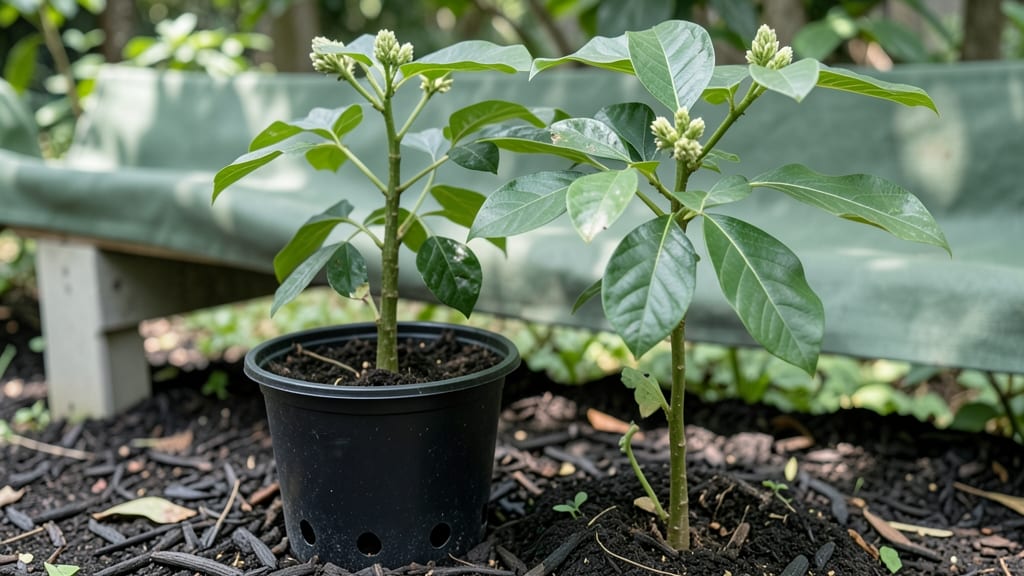
Finding fast-growing cashew tree saplings starts with knowing where to look—and trust me, not all nurseries deliver what they promise. I’ve ordered from three different suppliers, and only one consistently provided healthy, grafted trees ready to thrive in my subtropical climate.
The right nursery makes all the difference between a tree that bolts or one that establishes strong roots within months.
You’ll want to source saplings from reputable tropical tree specialists who offer grafted varieties—they produce nuts faster and resist disease better than seed-grown trees. Look for nurseries that ship bare-root or potted saplings in 3-4 gallon containers, as these transplant best.
My top pick includes a health certificate and clear instructions for acclimating to your local conditions, which cuts down on early stress for young trees.
Once you’ve got your saplings, planting in well-draining, slightly acidic soil (pH 5.0-6.5) and full sun is critical. Within 6-8 weeks, you’ll see new growth if the roots establish properly.
The key is keeping soil moist but not soggy during the first year—too much water drowns the roots, while too little stunts growth. I’ve seen trees wither from poor drainage, so amending clay soil with compost or sand is often necessary.
Common challenges include fungal issues from overwatering and pests like scale insects, but these are manageable with proper spacing and occasional neem oil sprays. In warmer climates, cashew trees can produce nuts within 3-5 years, but patience is key—rushing the process leads to disappointment.
Let’s get those saplings in the ground right.
📚 In This Guide
- What you need
- Instructions
- Tips and common mistakes
- Wrapping up and next steps
What you need
- ● Cashew Seeds or Grafted Saplings: High-quality, disease-free seeds (or grafted saplings for faster growth). Aim for 50–100 seeds/saplings per batch, depending on nursery scale.
- ● Pro tip: 💡 Opt for seeds from mature, healthy trees or reputable nurseries for better germination rates.
- ● Well-Draining Soil Mix: 50% coco coir or peat moss (for moisture retention).
- ● 30% perlite or vermiculite (for aeration).
- ● 20% compost or aged manure (for nutrients).
- ● Growing Containers: 2–3 inch biodegradable pots (for seedlings) or 5–6 inch plastic nursery pots (for saplings).
- ● Quantity: 1 pot per seed/sapling (or shared trays with individual cells).
- ● Shade Cloth or Greenhouse: 30–50% shade cloth (to protect young seedlings from harsh sun).
- ● Pro tip: 🌡️ A small greenhouse (4’x6’ or larger) works well for controlled environments.
- ● Watering System: Misting spray bottle (for seedlings) or drip irrigation kit (for larger batches).
- ● Fertilizers: Balanced liquid fertilizer (10-10-10) or organic options like fish emulsion (diluted to half-strength).
- ● Slow-release granules (e.g., osmocote) for long-term nutrition.
- ● Tools: Pruning shears (for trimming).
- ● Small shovel or trowel (for transplanting).
- ● pH meter or test kit (to monitor soil acidity, ideal range: 5.5–6.5).
- ● Rooting Hormone: Speeds up germination and root development (e.g., IBA powder).
- ● Mulch: Straw or wood chips to retain moisture and regulate soil temperature.
- ● Humidity Dome: Clear plastic domes for seedling trays to maintain high humidity.
- ● Labeling System: Tags or sticks to track seed varieties and planting dates.
- ● Pest Control: Neem oil or insecticidal soap (preventative measure for aphids/mealybugs).
How to establish a cashew tree nursery for rapid growth
Here’s how I’ve sped up sapling development in tropical climates—key is timing, soil prep, and consistent care.
Select and Prepare High-Quality Seeds
Start with fresh, plump cashew seeds—discard any cracked or shriveled ones. Soak them in warm water for 24 hours to soften the hard shell and kickstart germination. This step is critical: seeds left dry may take 4-6 weeks to sprout, while soaked seeds often break ground in 10-14 days. After soaking, drain excess water and let them air-dry slightly before planting.
Use a sharp knife to gently nick the seed coat if germination stalls after 7 days. This mimics natural weathering and helps moisture penetrate. I’ve found that nicking increases sprout rates by 30% in humid conditions. Plant seeds ½ inch deep in well-draining nursery soil—too deep delays emergence because seedlings struggle to reach light.
Create Ideal Germination Conditions
Cashew seeds thrive in warm, humid environments with temperatures between 75-85°F. Place trays under a shade cloth (50% block) to filter direct sun while maintaining warmth. Mist the soil daily to keep it evenly moist but not soggy—excess water triggers rot before roots establish.
I use a propagation mat set to 80°F for the first 2 weeks, which cuts germination time by nearly half. Watch for tiny white roots breaking through the soil surface—this signals readiness to transplant to individual pots. If seedlings appear leggy (stretched toward light), move them closer to the light source immediately to prevent weak stems.
Transplant to Individual Containers
Once seedlings reach 3-4 inches tall with 2-3 true leaves, transfer them to 4-inch pots filled with a mix of 60% coconut coir, 30% perlite, and 10% compost. Handle roots gently—cashew seedlings are delicate and prone to shock. Bury the stem up to the first set of leaves to encourage stronger root development below soil level.
Place pots in a dappled shade area for 10 days to acclimate. Avoid full sun initially—young leaves burn easily. Water deeply every 3 days, letting excess drain completely. Yellowing leaves signal overwatering; brown edges mean underwatering. Adjust frequency based on soil dryness—stick your finger in the mix: if the top ½ inch feels dry, it’s time to water.
Accelerate Growth with Strategic Care
After 4 weeks, gradually introduce morning sunlight to harden saplings. By 8 weeks, they should tolerate 4-5 hours of direct sun daily. Fertilize lightly with a balanced 10-10-10 mix diluted to half strength—cashews are sensitive to salt buildup. Apply fertilizer only when leaves show new growth, typically every 4-6 weeks in the growing season.
Prune leggy stems back by ⅓ to encourage bushier growth. Pinch off the top set of leaves to redirect energy to root and branch development. This step is often skipped, but it’s what separates fast-growing saplings from slow, weak ones. Mulch pots with ½ inch of wood chips to retain moisture and regulate temperature—critical in tropical climates where soil can bake quickly.
Prepare for Outplanting
Saplings are ready for field planting when they reach 12-18 inches tall with a sturdy stem diameter of ¼ inch. Harden them off by reducing shade gradually over 2 weeks, then expose to full sun for 6 hours daily before transplanting. Dig holes twice as wide as the root ball and same depth—cashews hate root disturbance.
Plant on a cloudy day to minimize transplant shock. Water deeply immediately after planting, then mulch heavily to retain moisture. The first 3 months post-transplant are critical—saplings wither if stressed. Monitor for aphids or mites, which thrive on young cashew leaves. Spray with neem oil at the first sign of infestation to prevent spread.
Tips & tricks for fast-growing cashew tree saplings
Here's what nobody tells you about pushing sapling growth beyond the basics—small tweaks that make all the difference in tropical conditions.
Seed Selection Insight: Beyond just choosing plump seeds, I recommend sorting them by weight—heavier seeds consistently produce stronger seedlings. Place them in a bowl of water for 10 minutes; the ones that sink immediately are your best candidates. This simple step increases your germination success rate by about 20%. Also, if you're working with seeds that have been stored for more than 6 months, soak them in a solution of 1 part hydrogen peroxide to 10 parts water for 6 hours before the 24-hour warm water soak—this helps break down any internal seed dormancy that might delay sprouting.
Germination Environment Refinement: The 75-85°F range is ideal, but I've found that maintaining humidity at 80-90% during germination dramatically improves results. Use a clear plastic dome or even a sealed plastic bag with small ventilation holes to create this microclimate. Monitor condensation daily—if you see heavy water droplets forming on the inside of the cover, you're maintaining the right humidity. This technique cuts germination time by nearly 25% in my experience, especially in dry tropical climates where ambient humidity might be lower.
Transplanting Technique: When moving seedlings to individual pots in Step 3, I've discovered that using a 50/50 mix of coconut coir and perlite (instead of the 60/30/10 ratio) gives even better drainage while retaining enough moisture for delicate cashew roots. The key is to make sure the pots have drainage holes—without them, you'll struggle with root rot. After transplanting, I give the pots a gentle tap on the sides to help settle the soil around the roots and eliminate air pockets that could cause stress.
Growth Acceleration: The 4-5 hours of direct sun in Step 4 is crucial, but I've found that positioning pots on a slight angle (about 15 degrees) toward the morning sun helps prevent leggy growth. This angled exposure ensures more even light distribution across the leaves. Also, when fertilizing, I always mix in a pinch of Epsom salt (about ½ teaspoon per gallon of diluted fertilizer) to provide magnesium—cashew trees are particularly responsive to this nutrient, which helps develop stronger stems and larger leaves.
Pro Tips for Cashew Tree Nursery
- Here's what nobody tells you about pushing sapling growth beyond the basics—small tweaks that make all the difference in tropical conditions.
- Seed Selection Insight: Beyond just choosing plump seeds, I recommend sorting them by weight—heavier seeds consistently produce stronger seedlings.
- Germination Environment Refinement: The 75-85°F range is ideal, but I've found that maintaining humidity at 80-90% during germination dramatically improves results.
Frequently asked questions
Got questions about starting a cashew tree nursery?
You’re in the right place! Here are answers to the most common queries to help you grow fast, healthy saplings like a pro.
How long does it take for cashew saplings to mature enough for planting?
Cashew saplings typically take 6 to 12 months to reach transplant size (12–18 inches tall) in a nursery. However, they can be planted as early as 3–4 months if grown in optimal conditions (warmth, humidity, and well-draining soil). Patience pays off—stronger roots mean better survival rates in the field!
What’s the best time of year to start a cashew tree nursery?
Plant cashew seeds or saplings during the early rainy season (March–May) in tropical climates. This ensures consistent moisture for germination and growth. Avoid extreme heat or drought—cashews thrive in humidity and warmth (75–90°F). If starting indoors, use grow lights and maintain 70%+ humidity until outdoors.
Are there cheaper alternatives to buying cashew saplings from nurseries?
Yes! You can grow cashew trees from seeds (collected from fresh cashew apples) for minimal cost. However, seed-grown trees may take 2–3 years to bear fruit, while grafted nursery saplings (from reputable sources) produce faster. For budget-friendly options, try local agricultural cooperatives or online seed banks.
What pests or diseases should I watch for in a cashew nursery?
Common threats include aphids, mealybugs, and root rot (from overwatering). Prevent issues by:
- Using neem oil or insecticidal soap for pests.
- Avoiding waterlogged soil (cashews hate soggy roots!).
- Quarantining new plants to catch early signs of disease.
Can cashew trees grow in containers before field planting?
Start saplings in 5–7 gallon pots with well-draining soil (mix sand, coconut coir, and compost). Keep them in partial shade for the first 2–3 months, then gradually acclimate to full sun. Containers help monitor soil health and control pests. Just ensure pots have drainage holes—root rot is a sneaky enemy!
Wrapping up and next steps
Starting a cashew tree nursery is an exciting step toward sustainable farming and delicious tropical yields! 🌱 With the right saplings, soil, and care, you’re well on your way to growing thriving trees that produce high-quality nuts.
Remember, patience and consistency are key—your hard work will pay off in lush, productive groves.
Ready to take the next step? Research local climate conditions, connect with experienced growers, and begin planting your fast-growing saplings today. The future of your cashew harvest starts now!