
Trees
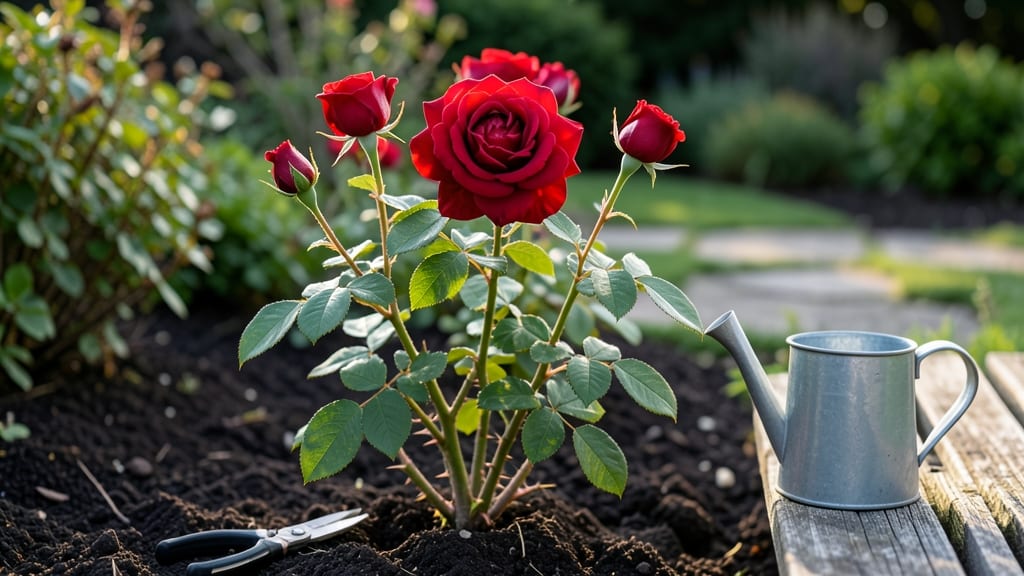
Caring for rose trees means treating them like the high-maintenance divas they are—but with the right routine, they’ll reward you with blooms that last from spring through fall. 🌹 I’ve learned the hard way that skipping even one seasonal task can turn your prize roses into sad, leggy sticks, so let’s fix that together.
The secret isn’t complicated: consistent watering, strategic pruning, and seasonal adjustments make all the difference. Most gardeners overlook winter prep or fertilize at the wrong time, which is why roses struggle.
But once you sync your care with their natural cycle—spring growth, summer blooming, fall hardening, and winter dormancy—you’ll see a transformation every season.
By summer’s end, you’ll have roses that burst with color, resist pests, and thrive through heatwaves. The key is staying ahead of problems before they start—think of it like giving your roses a spa day every few months. We’ll cover exactly what to do, when, and why it works.
Whether you’re dealing with hybrid teas, climbers, or shrub roses, these principles apply. Let’s get your roses looking like the showstoppers they’re meant to be—no more guesswork, just results.
📚 In This Guide
- What you need
- Instructions
- Tips and common mistakes
- Wrapping up and next steps
What you need
- ● Pruning shears: Sharp, bypass-pruning shears (4–6 inch blades) for clean cuts. Pro tip: Disinfect blades with rubbing alcohol between cuts to prevent disease! 💡
- ● Gloves: Heavy-duty gardening gloves (nitrile-coated for durability) to protect against thorns and chemicals.
- ● Well-draining potting mix: A blend of 50% garden soil, 30% compost, and 20% perlite/sand (for container roses). For in-ground planting, amend clay soil with 3–4 inches of compost.
- ● Mulch: Organic mulch (wood chips, straw, or pine bark) to retain moisture and regulate soil temperature. Apply a 2–3 inch layer, keeping it 6 inches away from the trunk.
- ● Fertilizer: Balanced fertilizer (10-10-10): Use 1–2 tablespoons per plant every 4–6 weeks during growing season (spring–fall).
- ○ Rose-specific fertilizer (optional but recommended): Look for high-phosphorus formulas (e.g., 5-10-5) for blooming power.
- ● Watering can or hose with a gentle nozzle: Aim for 1–1.5 gallons per plant weekly (adjust for drought/heat).
- ● Stakes or supports: 3–4 ft bamboo stakes or metal cages for climbing roses. Secure with soft ties (e.g., tree ties).
- ● Pest/disease control: Neem oil (1% solution): Spray for aphids, mites, and fungal issues (apply at dusk to avoid burning leaves).
- ● Copper fungicide: For black spot or powdery mildew (follow label rates).
- ● Rose food granules: Slow-release pellets for convenience (e.g., Osmocote Rose & Flower).
- ● Soil moisture meter: To monitor watering needs (especially for container roses).
- ● Epsom salt: 1 tablespoon dissolved in 1 gallon of water monthly for magnesium boost (great for green foliage!).
- ● Reflective mulch: Aluminum foil or specialized mulch to deter pests and improve blooms.
- ● Rose pruning saw: For thick stems (1–2 inch diameter) that shears can’t handle.
Step-by-step seasonal care for rose trees
Here's how to keep your roses healthy through every season—no guesswork, just proven techniques.
🌿 Step 1: Spring Awakening – Prune and Fertilize
Start by pruning in early spring when buds begin to swell but before new growth appears. This is the moment that matters: remove dead, diseased, or crossing branches first, then cut back remaining canes to an outward-facing bud. I like to make cuts at a 45-degree angle just above the bud to encourage water runoff and prevent rot.
Use the balanced rose fertilizer (10-10-10 ratio) at half-strength to avoid burning tender new growth. Apply it when the soil warms to 60°F—usually around late March in most climates. Water deeply after fertilizing to help nutrients penetrate the root zone. You'll see fresh, vibrant buds within weeks if timing and moisture are right.
Mulch around the base with 2-3 inches of organic mulch (like shredded bark) to retain moisture and regulate soil temperature. Keep mulch 6 inches away from the trunk to prevent rot. This step is critical—mulch protects roots from temperature swings that can stress plants.
☀️ Step 2: Summer Growth – Water and Protect
Roses need 1-2 inches of water per week during summer, but never let water pool at the base—this invites fungal diseases. I water deeply in the morning so foliage has time to dry before evening humidity sets in. If your roses start dropping buds or leaves curl, they're thirsty or overheated.
Watch for pests like aphids or Japanese beetles. A strong spray of water often dislodges them, but for stubborn infestations, use neem oil spray (mix 1 tablespoon with 1 quart of water). Apply in the early morning to avoid harming bees. You'll notice healthier foliage within days of consistent pest control.
Deadhead spent blooms regularly to encourage continuous flowering. Cut back to the first 5-leaflet leaf below the bloom—this signals the plant to produce new growth and flowers. I do this every 2-3 days during peak bloom season. Skipping this step means fewer flowers later in the season.
✂️ Step 3: Fall Preparation – Clean Up and Harden Off
Reduce watering gradually in late summer as temperatures drop. This hardens off the plant and prepares it for dormancy. Stop fertilizing by mid-September—new growth at this stage won't harden properly before winter. You'll see slower growth as the plant naturally slows down.
Prune again lightly in late fall to remove any remaining dead wood or diseased canes. Don't go overboard—just tidy up. Apply a 3-inch layer of mulch around the base (but not touching the trunk) to insulate roots. This protects against freezing temperatures and keeps soil moisture stable.
Spray roses with a dormant oil spray in late fall to prevent overwintering pests. This step is often overlooked but prevents a host of springtime issues. Choose a day when temperatures are above 40°F to avoid damaging the plant.
⏰ Step 4: Winter Care – Protect and Monitor
In colder climates, wrap rose canes with burlap or rose cones after the ground freezes to prevent damage from temperature swings. I leave the mulch in place over winter—it acts like a blanket for the roots. In mild winters, you can skip wrapping, but keep an eye on frost-sensitive varieties.
Check roses occasionally during winter for signs of rodent damage or heaving soil. If you see gnaw marks, use pet-safe rodent repellent around the base. Heaving soil (where roots are exposed) can be fixed by gently pushing soil back around the roots and adding more mulch.
Prune again in late winter (just before buds swell) to remove any dead wood from winter damage. This is your last chance to tidy up before spring growth begins. You'll know it's time when you see the first signs of new buds forming at the base of the canes.
Tips & tricks for perfect year-round rose care
These seasoned insights will help you avoid common pitfalls and maximize your roses' potential through every season.
Pruning Precision: When pruning in Step 1, always use sharp, clean shears to make clean cuts. Dull tools crush stems, creating entry points for disease. I also recommend sterilizing your shears with rubbing alcohol between cuts to prevent spreading any potential pathogens. The 45-degree angle mentioned isn't just about aesthetics—it helps water run off the cut, reducing rot risk. Look for buds that face outward on the remaining canes; these will grow outward, creating a more open, airy plant structure that prevents fungal issues.
Fertilizer Timing: The soil temperature of 60°F is crucial because cooler soil means nutrients won't activate properly. I test soil temperature with a simple thermometer inserted 2 inches deep. If your soil warms faster than expected, apply fertilizer earlier than late March. Remember that half-strength application is non-negotiable—concentrated fertilizer burns tender new growth, setting your roses back for weeks. You'll notice the difference in bud formation within 3-4 weeks of proper timing.
Seasonal Watering Strategy: The 1-2 inches per week guideline assumes average summer conditions. In extreme heat (above 90°F), increase to 2-3 inches by watering every other day. I use a rain gauge or tuna can buried in the garden to track moisture—this is more accurate than guessing. Watering in the morning prevents fungal spores from settling on wet foliage overnight. If you see leaves curling upward, it's a classic sign of underwatering or heat stress, not overwatering.
Winter Protection Insight: The 40°F minimum for dormant oil spray is critical because colder temperatures can damage plant tissues. I apply it on calm days when frost isn't forecasted within 24 hours. For extra protection in harsh winters, add a layer of straw mulch (not just bark) over the existing mulch—this creates an insulating blanket that can make a 10°F difference in root zone temperatures. Check your roses every 2-3 weeks during winter for signs of rodent activity or heaving soil.
Pro Tips for Caring For Rose Trees
- These seasoned insights will help you avoid common pitfalls and maximize your roses' potential through every season.
- Pruning Precision: When pruning in Step 1, always use sharp, clean shears to make clean cuts.
- Fertilizer Timing: The soil temperature of 60°F is crucial because cooler soil means nutrients won't activate properly.
Frequently asked questions
Got questions about keeping your roses happy and blooming? Here are some of the most common concerns—and their answers—to help you grow like a pro!
How often should I water my rose trees?
Water deeply 1-2 times per week (more in extreme heat or sandy soil). Aim for 1-1.5 inches of water per week, delivered at the base—not the leaves—to prevent fungal diseases. Early morning is ideal to reduce evaporation and humidity-related issues.
When is the best time to prune roses?
Prune late winter or early spring (just before new growth starts) for hybrid teas and floribundas. Wait until after the last frost for climbers and shrub roses. Avoid heavy pruning in fall—it encourages tender growth that won’t survive winter.
What are the most common rose pests, and how do I treat them?
Watch for aphids, spider mites, and Japanese beetles. For mild infestations, spray with a soapy water solution (1 tsp mild soap per quart of water). Severe cases may need neem oil or horticultural oil. Inspect leaves regularly for early signs!
How do I protect roses in winter?
Mulch the base with 4-6 inches of organic mulch (straw or shredded bark) after the ground freezes. For tender varieties, wrap canes in burlap or use a rose cone. Avoid heavy snow buildup—gently brush it off to prevent stem damage.
Can I grow roses in containers, and what’s the best soil mix?
Yes! Use a large container (at least 15 gallons) with drainage holes. Mix equal parts potting soil, compost, and perlite for aeration. Repot every 2-3 years and fertilize monthly during growing season. Dwarf varieties thrive best in containers!
Wrapping up and next steps
Caring for rose trees is a rewarding journey that blends patience, observation, and a little love! 🌹 By understanding their seasonal needs—from spring’s fresh starts to winter’s protective rest—you’ll nurture blooms that thrive year-round.
Remember, even the most experienced gardeners face challenges, but every pruned branch or trimmed leaf is a step toward a flourishing garden.
Ready to put your newfound knowledge into action? Start small: pick one season’s task—like pruning in late winter or mulching in fall—and watch your roses respond.
Before you know it, your garden will be a burst of color and fragrance, proving that great things grow with consistent care. Happy gardening! 🌱