Trees
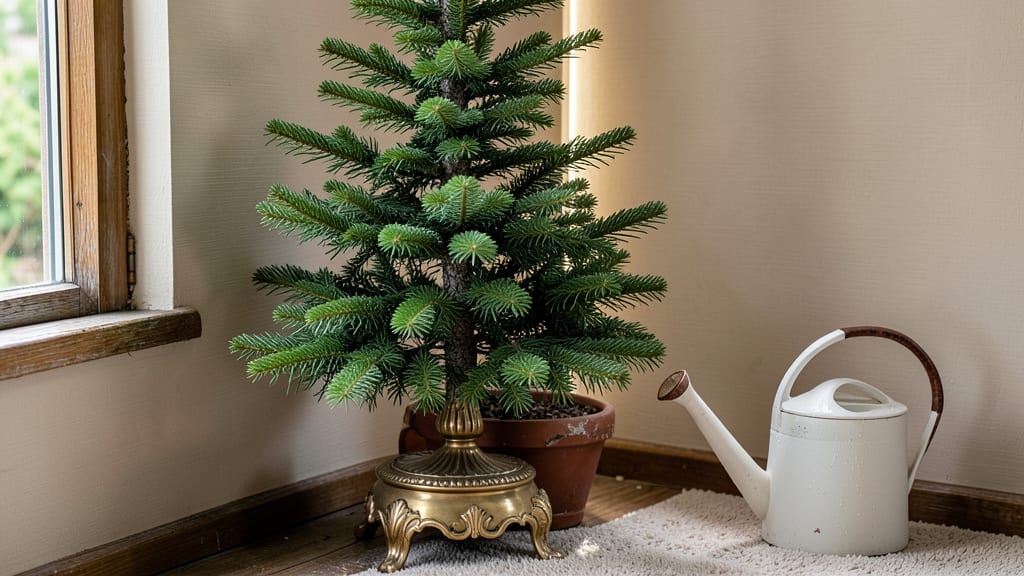
Caring for Christmas trees means they stay lush and vibrant for years—not just December. 🌲 I’ve watched my Norfolk pine go from a sad, droopy holiday rental to a thriving, 10-foot-tall centerpiece by treating it like a houseplant with serious needs.
The key isn’t just holiday prep; it’s year-round attention to water, light, and even air circulation that most people overlook.
Most Christmas trees need bright, indirect light—think east or west-facing windows—or a grow light for 6-8 hours daily. Potted varieties like Fraser firs and Scotch pines hate soggy soil, so well-draining pots with drainage holes are a must.
And here’s the secret: mist those needles regularly, especially in winter when indoor heat dries them out faster than a desert wind.
You’ll notice the difference within weeks: glossy needles, compact growth, and branches that don’t shed like they’ve been through a snowstorm. Prune only in late winter or early spring, cutting back to the next set of needles for a cleaner look.
The payoff? A tree that survives holidays year after year and becomes the star of your landscape.
Whether you’re keeping a tree indoors as a living decoration or outdoors as a permanent feature, the same rules apply. Start with the right pot, monitor moisture like a hawk, and give it the light it craves.
Your tree will thank you with foliage so thick it’ll make your neighbors jealous.
📚 In This Guide
- What you need
- Instructions
- Tips and common mistakes
- Wrapping up and next steps
What you need
- ● Christmas tree (fresh-cut or potted): Fresh-cut: 8–12 ft tall (standard sizes), with a sturdy trunk (4–6 inches in diameter). Opt for PEFC or SFI-certified trees for sustainability.
- ● Potted: 5–7 ft tall, with a healthy root ball and full foliage. Choose Norfolk pine, Fraser fir, or Douglas fir varieties for longevity.
- ● Watering supplies: Large watering can (2–3 gallons capacity) or a tree stand with a reservoir (holds 1–2 gallons).
- ● Water conditioner or tree preservative (e.g., Kinetic Tree Water Additive or Aspen Tree Water) to prevent needle drop.
- ● Soil and fertilizers (for potted trees): Well-draining potting mix (e.g., 50% peat moss, 30% perlite, 20% compost).
- ● Slow-release fertilizer (e.g., Osmocote Smart-Release Plant Food, 14-14-14 NPK ratio).
- ● Lighting and decor: LED Christmas lights (energy-efficient, 100–300 lights depending on tree size).
- ● Non-flammable ornaments (e.g., glass, metal, or plastic). Avoid real candles—use LED or battery-operated flameless candles instead!
- ● Pruning shears (for trimming dead branches, bypass-style for precision).
- ● Tree stand or anchor stakes (for outdoor trees, 4–6 stakes to secure against wind).
- ● pH test kit (for soil testing, if repotting or planting outdoors).
- ● Hose with adjustable nozzle (for deep watering, gentle spray setting to avoid damaging needles).
- ○ Mulch (optional for outdoor trees): 3–4 inches of pine bark or shredded leaves to retain moisture.
- ● Location: Indoors: Place near a cool (60–65°F) and humid area (e.g., away from heat vents or fireplaces).
- ● Outdoors: Choose a sheltered spot (e.g., against a fence or wall) with partial shade.
- ● Time commitment: Fresh-cut trees: Check water levels daily (indoors) or every 2–3 days (outdoors).
- ● Potted trees: Water 2–3 times per week and fertilize monthly during growing seasons.
- ● Safety first: Ensure no pets or children can access water reservoirs or lights.
- ● Keep trees away from open flames (including candles, fireplaces, or space heaters).
Step-by-Step guide to keeping Christmas trees thriving year-round
Here’s how to transform your holiday tree into a healthy, long-lived addition to your landscape.
🌱 Step 1: Acclimate and Water Immediately After Bringing It Home
The first 48 hours are critical. Place your tree in a sturdy stand filled with 1 gallon of water—this helps prevent needle loss. Real talk: Many trees lose half their needles in the first week if not hydrated properly. Use a saw cut on the trunk base to ensure water absorption, not just the natural seal.
Check water levels daily. A properly hydrated tree will have a fresh, bright scent when you crush a few needles between your fingers. If the water feels warm to the touch after 24 hours, it’s time to refill—this means the tree is drinking it up.
☀️ Step 2: Provide Proper Light and Temperature Control
Christmas trees thrive in partial shade to full sun but hate extreme heat or cold drafts. Position it where it gets morning sun and afternoon shade—this balances growth without stressing the foliage. If indoors, keep it away from heating vents or fireplaces, which dry out needles faster than you’d think.
During the holidays, maintain indoor temperatures between 65-75°F. Below 60°F, growth slows dramatically, and above 80°F, the tree becomes dehydrated. You’ll notice needles curling at the edges if it’s too dry—this is your tree’s way of saying, “Move me closer to a window.”
💧 Step 3: Transition Outdoors Safely in Spring
Don’t rush this step. Wait until after the last frost date in your area, then gradually move the tree outside over 7-10 days. Start with 2-3 hours of outdoor exposure daily, increasing time as temperatures stabilize. This prevents shock—think of it like sunbathing after winter hibernation.
Once fully outdoors, plant it in well-draining soil with partial shade for the first growing season. Water deeply 2-3 times per week until roots establish, which usually takes 4-6 weeks. You’ll know it’s settled in when new growth appears at the tips of the branches.
✂️ Step 4: Prune and Fertilize for Long-Term Health
Prune in late winter or early spring before new growth starts. Remove any dead, broken, or crossing branches with clean, sharp shears. Cut just outside the branch collar to avoid damaging the tree’s natural healing point. This keeps airflow strong and prevents disease—trust me, a well-pruned tree looks fuller in just one season.
Apply a balanced fertilizer (10-10-10 ratio) in early spring and again in mid-summer. Follow package instructions, but less is often better—over-fertilizing causes needle burn. You’ll see healthier, darker green needles within 6-8 weeks if the tree is happy.
🪴 Step 5: Protect and Maintain for Decades of Growth
Mulch around the base with 2-3 inches of organic mulch to retain moisture and regulate soil temperature. Keep mulch 6 inches away from the trunk to prevent rot. Water deeply once a week during dry spells, aiming for 1-1.5 inches of water per week. A healthy tree will have a strong, upright shape with no yellowing needles.
Watch for pests like spider mites or bagworms, which love stressed trees. Treat early with neem oil or insecticidal soap—prevention is easier than dealing with an infestation. With proper care, your Christmas tree can live 10-15 years and become a cherished part of your landscape.
Tips & tricks for perfect Christmas tree care
Here’s what nobody tells you about keeping your Christmas tree thriving beyond the holidays—these secrets make all the difference.
Hydration Hack: In Step 1, that 1 gallon of water isn’t just a suggestion—it’s a necessity. Many stands only hold ½ gallon, which isn’t enough. If you’re using a smaller stand, refill every 12 hours instead of daily. I learned this the hard way after watching needles drop like confetti. Also, add a drop of dish soap to the water to reduce surface tension and help the tree drink more efficiently.
Lighting Strategy: When positioning your tree in Step 2, think about seasonal changes. If you’re in a climate with harsh winter sun, move the tree to a spot with more afternoon shade during December. The goal is to mimic its natural forest environment—where it would get dappled sunlight through other trees. A sheer curtain can diffuse harsh indoor lighting if needed.
Transplanting Timing: For Step 3, don’t wait until spring to plant! If your last frost date is late April, you can safely plant as early as mid-March in most zones. The key is soil temperature—wait until the ground thaws and reaches at least 45°F at 4 inches deep. I’ve seen trees planted too early suffer from frost heave, where freezing and thawing cycles push roots out of the ground.
Pruning Precision: In Step 4, when pruning, focus on the “three Ds”: dead, diseased, and damaged branches. But here’s the secret—don’t cut back more than 25% of the tree’s height in one season. This prevents shock. Also, sterilize your shears with rubbing alcohol between cuts to prevent spreading disease from branch to branch.
Pro Tips for Care For Christmas Trees
- Here’s what nobody tells you about keeping your Christmas tree thriving beyond the holidays—these secrets make all th...
- Hydration Hack: In Step 1, that 1 gallon of water isn’t just a suggestion—it’s a necessity. Many stands only hold ½ g...
- Lighting Strategy: When positioning your tree in Step 2, think about seasonal changes. If you’re in a climate with ha...
Frequently asked questions
Got questions about keeping your Christmas tree fresh and vibrant? Here are some of the most common concerns—plus expert answers to help you enjoy a lush, long-lasting tree!
How often should I water my Christmas tree to keep it fresh?
Water your tree daily—yes, every day! A freshly cut tree can drink up to a gallon of water in the first 24 hours. Use the "thumb test": Stick your finger into the soil (or stand) about an inch deep. If it feels dry, it’s time to refill. Pro tip: Add a few drops of bleach or tree preservative to the water to prevent bacterial growth.
How long can I realistically keep a Christmas tree alive indoors?
With proper care, most artificial trees last years, while real trees typically stay fresh for 3–4 weeks indoors. To extend their life, keep them in a cool room (65–70°F), away from heat sources like fireplaces or vents. If needles start dropping after a week, it’s a sign to water more frequently or check for dehydration.
Can I reuse a real Christmas tree in another year?
No—real Christmas trees are one-and-done! They’re cut fresh for the holiday season and can’t regrow or survive transplantation. However, you can recycle them: Many cities offer curbside pickup for mulching, or you can repurpose branches for wreaths or mulch. For next year, opt for a potted tree (like a Norfolk pine) that can be replanted outdoors after the holidays!
Why is my tree’s water turning brown or smelly?
Brown or foul-smelling water usually means bacterial growth or sap buildup. Drain the stand, scrub it with a bleach solution (1 part bleach to 10 parts water), and refill with fresh, room-temperature water. Avoid overfilling the stand—trees need air circulation to drink efficiently. If the smell persists, your tree may be past saving.
What’s the best way to store an artificial tree between seasons?
Clean your artificial tree with a damp cloth to remove dust, then store it in a cool, dry place like a closet or garage. Use a dedicated storage bag or box to protect it from moisture and pests. Avoid attics with extreme temperature swings, as condensation can damage branches. For extra longevity, spray with a fabric protector before storing.
Bonus Tip:
For real trees, a fresh cut is key! Trim ½ inch off the trunk before placing it in the stand to help it absorb water faster. This simple step can add days to your tree’s freshness!
Wrapping up and next steps
Caring for your Christmas tree isn’t just about the holiday season—it’s a year-round commitment that rewards you with vibrant foliage and lasting beauty. From proper watering to thoughtful pruning and seasonal adjustments, these simple steps ensure your tree thrives for years to come. 🌲✨
Now that you’re armed with expert tips, take action! Pick one technique from this guide to try this week—whether it’s adjusting your watering schedule or giving your tree a fresh pruning.
Your tree will thank you with lush, healthy growth, and you’ll enjoy the joy of a stunning centerpiece every season. Happy gardening!