
Pruning
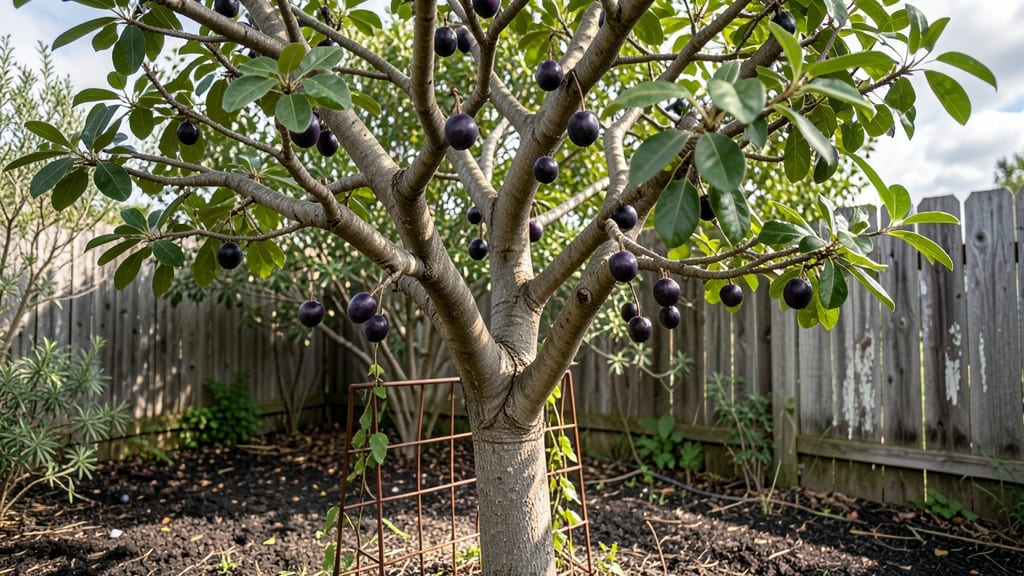
The Brazilian grape tree jaboticaba dazzles with purple fruit sprouting straight from its trunk—no branches needed. 🌿 This tropical marvel thrives in warm climates but can surprise you with fruit even in cooler zones if you pick the right spot.
My first jaboticaba produced fruit within three years, and the taste? Like a mix of grape and blueberry, but richer.
The secret to success is mimicking its native Brazilian habitat: well-draining soil, full sun, and protection from frost. You’ll need USDA zones 9-11 for reliable fruit, but container growing extends its range to zone 8 with winter moves indoors.
Pruning is minimal—just remove dead wood and shape lightly after harvest to encourage next year’s fruit.
By summer’s end, your trunk will be heavy with grape-like clusters, and the tree’s glossy leaves add year-round interest. The fruit ripens in clusters directly on the bark, making it a conversation piece and a delicious reward.
With patience, you’ll have a tree that keeps producing long after most fruit trees call it quits.
Whether you’re in Florida or California, this tree adapts—just adjust watering and winter care. Start with a grafted tree for faster fruit, and soon you’ll be sharing jars of homemade jaboticaba jam with neighbors who’ll never believe it grew from your backyard.
📚 In This Guide
- What you need
- Instructions
- Tips and common mistakes
- Wrapping up and next steps
What you need
- ● Jaboticaba saplings or seeds: 1-3 plants (choose disease-resistant varieties like 'Sabiá' or 'Roxo de Botucatu').
- ● Well-draining soil: 50 lbs of a mix of topsoil, compost (20%), and perlite/sand (10%) for optimal aeration.
- ● Container or planting site: For containers: 1-2 large pots (15+ gallons each) with drainage holes.
- ● For ground planting: A sunny spot with 6+ hours of light and space for roots to spread (10-15 ft apart).
- ● Organic mulch: 2-3 inches of wood chips or straw to retain moisture and suppress weeds.
- ● Pruning tools: 1 pair of bypass pruners (for clean cuts).
- ● 1 hand saw (for thicker branches).
- ● 1 disinfectant spray (70% isopropyl alcohol) to sterilize tools.
- ● Fertilizer: Balanced 10-10-10 NPK fertilizer (1 lb per plant) or organic options like composted manure.
- ● Watering can or hose: With a gentle spray nozzle for hydration.
- ● Soil pH tester: Jaboticaba prefers slightly acidic soil (pH 5.5-6.5).
- ● Drip irrigation system: For consistent moisture without overwatering.
- ● Tree supports: Stakes or cages for young saplings in windy areas.
- ● Fruit thinners: If you’re aiming for larger, sweeter jaboticabas.
- ● Garden gloves: To protect hands while pruning or handling soil.
Step-by-step instructions for planting and caring for jaboticaba trees
Here’s how I’ve learned to grow these tropical gems—minimal fuss, maximum fruit.
🌱 Step 1: Choose the Right Location and Plant
Jaboticaba thrives in full sun to partial shade and needs well-draining soil—think loamy or sandy, never soggy. I dig a hole twice as wide as the root ball but only as deep as the container it came in. The tree’s native to Brazil’s high-altitude regions, so it prefers 60-80°F temperatures year-round.
If you’re planting in cooler climates, pick a sheltered spot against a south-facing wall. The roots spread wide, so space your 4 trees at least 15 feet apart. Water deeply right after planting to settle the soil around the roots—you’ll see the surface firm up slightly when done.
Here’s the thing—jaboticaba grows best in containers if your winters dip below 30°F. A 15-gallon pot with drainage holes works well. I use a mix of 50% potting soil, 30% perlite, and 20% compost to mimic its native soil.
☀️ Step 2: Water and Fertilize for Strong Growth
Keep the soil evenly moist but not waterlogged—jaboticaba roots rot easily. Water once a week in warm months, but check the top 2 inches of soil first. If it feels dry, water deeply; if damp, wait another day. In cooler months, cut back to every 10-14 days unless you’re in a container, which dries faster.
Feed your tree once in early spring with a balanced 10-10-10 fertilizer (about ½ cup per tree). Jaboticaba is light on fertilizer—too much makes it grow leaves instead of fruit. I skip summer feeding entirely unless the leaves look pale, which means it’s hungry for iron or magnesium. A foliar spray of Epsom salt solution (1 tablespoon per gallon of water) fixes that fast.
Watch for yellowing leaves—that’s usually overwatering or poor drainage. If the soil stays wet for more than 48 hours, your tree’s in trouble. Amend heavy clay soil with sand or coconut coir to improve drainage.
✂️ Step 3: Prune Lightly to Encourage Fruit
Jaboticaba is one of the few trees that fruits on new and old wood, so pruning isn’t about shaping—it’s about airflow and light penetration. I prune once a year in late winter, just before buds swell. Remove dead, crossing, or crowded branches, cutting back to a healthy outward-facing bud. Never trim more than 25% of the canopy at once.
Thin out overly dense growth inside the tree to let sunlight reach the center. You’ll see small purple berries forming in clusters—these are your future fruit. If branches grow too long, prune them back to 12-18 inches to encourage bushier growth and more fruit clusters.
Real talk: Jaboticaba doesn’t need heavy pruning, but a little maintenance keeps it productive. Avoid pruning in summer or fall—that stresses the tree and reduces next year’s fruit set.
🍇 Step 4: Harvest and Enjoy Year-Round Fruit
Here’s the magic—jaboticaba fruits three times a year in its native climate! In warmer zones, you’ll get spring, summer, and fall crops. In cooler areas, expect one main harvest in late summer. Berries ripen directly on the tree, so check every 5-7 days once they turn deep purple.
Gently twist the berries off the branches—they’re not easy to pick (that’s how they stay on the tree so long). Avoid bruising them, or they’ll spoil fast. Store unwashed fruit in the fridge for up to 2 weeks. The flavor? Sweet-tart, like a mix of grape and lychee—worth every bit of patience.
If your tree doesn’t fruit the first year, don’t panic. It takes 2-3 years to mature. I’ve seen mine produce up to 50 pounds of fruit per tree once established—so plant extra if you’re serious about harvesting!
Tips & tricks for growing jaboticaba trees
Took me a while to figure these out, so here goes—simple tricks that'll make your jaboticaba thrive without the guesswork.
Container Care: If you're growing in a 15-gallon pot, place it on wheels or a dolly for easy winter protection. When temperatures drop below 30°F, roll it into a garage or sheltered area. I've seen trees survive winters this way that would otherwise perish in the ground—just don't forget to roll it back out in spring! The key is keeping that root ball above freezing while still getting plenty of sunlight.
Soil Mix Matters: That 50-30-20 soil mix (potting soil, perlite, compost) is non-negotiable for containers. For in-ground planting, add a handful of perlite to the bottom of your planting hole to create a drainage layer before adding native soil. I learned this the hard way after losing a tree to root rot—now I always check for this drainage layer before planting, especially in clay-heavy soils.
Fertilizer Timing: That early spring feeding with ½ cup of 10-10-10 fertilizer is crucial, but don't stop there. After the first harvest, give your tree another light feeding in late summer with just ¼ cup per tree. This second feeding helps replenish nutrients used during fruiting. I've noticed trees that get this second feeding produce slightly larger berries the following year.
Harvesting Hack: When checking for ripe berries every 5-7 days, bring a small bowl with you to the tree. Jaboticaba berries are delicate—they bruise easily when dropped. I've found that gently twisting them off with your fingers and catching them in a bowl prevents the mess of picking them up from the ground. Also, harvest in the morning when berries are coolest and firmest.
Pro Tips for Brazilian Grape Tree Jaboticaba
- Took me a while to figure these out, so here goes—simple tricks that'll make your jaboticaba thrive without the guesswork.
- Container Care: If you're growing in a 15-gallon pot, place it on wheels or a dolly for easy winter protection.
- Soil Mix Matters: That 50-30-20 soil mix (potting soil, perlite, compost) is non-negotiable for containers.
Frequently asked questions
Can I grow a jaboticaba tree in a pot?
The jaboticaba thrives best in the ground, but you can grow it in a large container (at least 15-gallon) if you live in a colder climate or have limited space. Use well-draining soil and ensure the pot gets full sun (6+ hours daily). However, potted trees may produce fewer fruits and require more frequent watering. Pro tip: Choose a pot with drainage holes to prevent root rot!
How long does it take for a jaboticaba tree to bear fruit?
Patience is key! Jaboticaba trees typically take 3–5 years to bear fruit from seed, but grafted trees (available at nurseries) can fruit in as little as 1–2 years. Young trees need consistent care—watering, sunlight, and minimal pruning—to encourage faster fruiting. Fun fact: They bloom and fruit year-round in tropical climates!
What do I do if my jaboticaba tree isn’t fruiting?
Common reasons include young age, improper sunlight, or lack of pollinators. Ensure your tree gets 6+ hours of direct sun daily and check for pests (like aphids) that may stress the plant. If you have multiple trees, they’ll naturally cross-pollinate. For indoor or urban growers, hand-pollinate with a soft brush. Troubleshoot: Fertilize lightly in spring with citrus-specific nutrients!
Can jaboticaba survive cold winters?
Native to Brazil’s tropical climate, jaboticaba is not frost-tolerant—it thrives in USDA Zones 10–11. In colder regions, grow it in containers and bring it indoors (or to a greenhouse) when temps drop below 30°F (-1°C). Alternatively, opt for cold-hardy varieties like Jabuticaba Paulista, which can handle brief chills. Warning: Frost will kill the tree!
Are jaboticaba fruits safe to eat raw?
Jaboticaba’s thin, edible skin and sweet-tart flesh make it perfect for snacking fresh. Eat them whole or use them in jams, wines, desserts, or juices. The seeds are not toxic but are tough to digest—spit them out! Bonus: The fruits grow directly on the trunk and branches, making them a fun (and delicious) novelty!
Wrapping up and next steps
The Brazilian grape tree jaboticaba is a rewarding tropical gem—packed with flavor, minimal pruning needs, and year-round fruit production! Whether you’re a beginner or a seasoned gardener, its adaptability and resilience make it a fantastic addition to your landscape or homestead. 🌱
Ready to take the next step? Start by sourcing a healthy sapling, preparing your soil, and giving it the care it deserves. With patience and a little effort, you’ll soon enjoy the sweet, juicy payoff of your own jaboticaba harvest!