Blooming
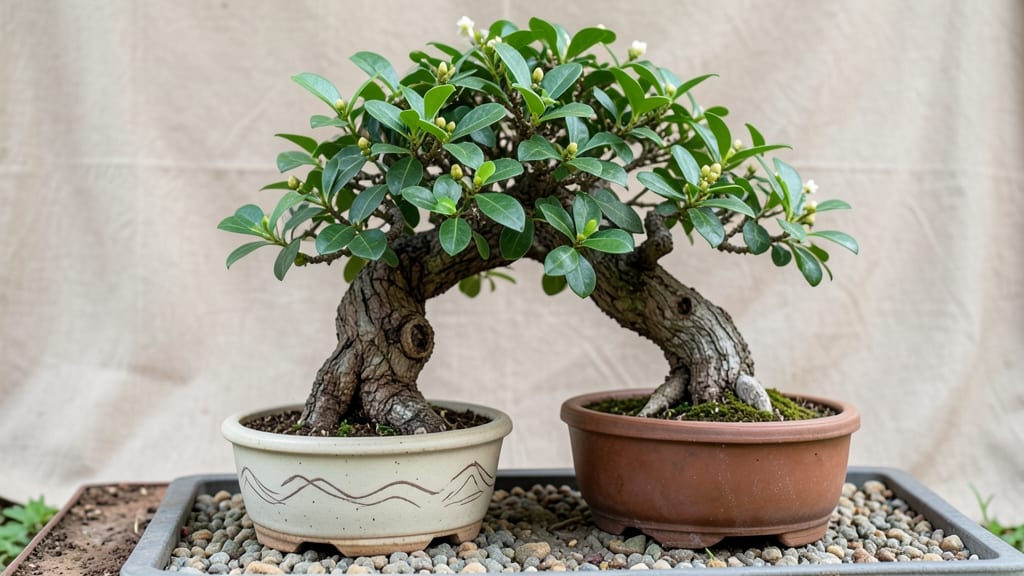
A blooming bonsai tree isn’t just a hobby—it’s a living work of art that rewards patience with delicate blossoms year after year. 🌸 I’ve spent years refining my approach with Serissa and Prunus varieties, and the secret lies in three precise pruning sessions that trigger flowering instead of stunting it.
Most beginners over-prune, which kills buds before they open, but timing and technique make all the difference.
The right species matters just as much as the cuts. Serissa (snow rose) thrives in shade and blooms reliably with minimal fuss, while Prunus (Japanese flowering cherry) demands full sun and bold pruning to encourage dramatic spring flowers.
You’ll need sharp tools, a humidity tray, and a fertilizer schedule that shifts with the seasons—more phosphorus in late summer to set next year’s buds.
By late winter, you’ll see tiny flower buds forming where you made those strategic cuts. The first blooms arrive in spring, but with proper aftercare—light watering, morning sun, and occasional misting—your tree will reward you with sporadic blossoms even in fall. Every petal feels like proof you’re doing something right.
This method works for indoor bonsai too, though you’ll need a grow light and careful temperature control. The key is consistency: three prunes a year, adjusted light, and never letting the soil dry out completely. Once you master the rhythm, your bonsai becomes a living calendar of color.
📚 In This Guide
- What you need
- Instructions
- Tips and common mistakes
- Wrapping up and next steps
What you need
- ● Bonsai Tree: 1 deciduous or flowering species (e.g., Ficus retusa, Carmona microphylla, or Prunus—choose one that blooms in your climate).
- ● Age: 3–5 years old (younger trees adapt faster to pruning).
- ● Pruning Tools: 1 pair of concave bonsai shears (for clean cuts).
- ● 1 wire cutter (for shaping branches).
- ● 1 root hook (for gentle root adjustment).
- ● Potting Supplies: 1 bonsai pot (1–2 sizes larger than the root ball, with drainage holes).
- ● 1 layer of mesh or fabric (to cover drainage holes).
- ● Bonsai soil mix: 60% inorganic (akadama, pumice), 30% organic (peat moss), 10% perlite.
- ● Fertilizers: 1 balanced liquid fertilizer (e.g., 10-10-10, diluted to half-strength).
- ● 1 bloom-specific fertilizer (high in phosphorus, like 5-10-5, during flowering season).
- ● Watering & Care: 1 spray bottle (for misting leaves).
- ○ 1 humidity tray (optional, for dry climates).
- ● 1 wire or aluminum branching wire (for shaping branches before they harden).
- ● 1 bonsai rake (for leveling soil).
- ● 1 tree training paste (to protect cuts and seal wounds).
- ● 1 grow light (if indoors, to supplement natural light).
- ● 1 journal or app (to track pruning dates and growth progress).
How to maintain a blooming bonsai tree through strategic pruning
Three precise cuts a year will keep your bonsai flowering like clockwork.
✂️ Step 1: Early Spring Prune to Encourage New Growth
Wait until you see new buds forming along the branches—usually late February to early March when temperatures rise above 50°F. This is your signal to prune back last year’s growth by about one-third of its length. Use sharp, clean bonsai shears to make 45-degree cuts just above a leaf node or bud.
Here's the thing—bonsai trees bloom on new wood, so you're actually creating next year's flowers by removing old growth. Target branches that show swollen buds first, as these are the most vigorous. I like to prune on a dry morning when the tree is at its strongest—watering after pruning helps reduce stress.
After pruning, wipe down your shears with rubbing alcohol to prevent spreading disease. This step sets the foundation for abundant blooms later in the season, but don’t rush it. If you prune too early, you’ll cut off potential flower buds before they’ve had a chance to form.
🌿 Step 2: Mid-Summer Maintenance Prune for Shape and Health
Around July, when your bonsai is in full leaf but before flowers appear, do a light shaping prune. Remove any dead, crossing, or overcrowded branches first—these compete for energy and reduce flowering potential. I also pinch back new growth by about half an inch to encourage bushier, more compact growth.
This isn’t about heavy cutting—think of it as refinement. Use your fingers to gently twist off smaller branches rather than cutting them, which reduces stress. Watch for yellowing leaves or pale growth, which signal over-pruning or nutrient deficiency. If you see these signs, hold off on further cuts until the tree recovers.
After this prune, move your bonsai to a bright, indirect light spot for a week to help it recover. Avoid direct sun immediately, as pruned areas are more sensitive to heat stress. This mid-season check keeps your tree balanced and ensures energy goes toward strong stems and healthy leaves—the foundation for vibrant blooms.
✂️ Step 3: Post-Bloom Prune to Prepare for Winter Dormancy
Once your bonsai has finished flowering—usually late September to early October—prune back spent flower stems to just above the first set of strong leaves. This encourages new growth before winter dormancy. I also thin out any weak or leggy branches that didn’t contribute to blooms, as these drain energy unnecessarily.
This is also the time to wire any branches you want to reshape for next year’s display. Use copper or aluminum bonsai wire, wrapping it gently around branches to guide growth without breaking them. Check the wire every 2-3 weeks—if it cuts into the bark, remove it immediately to prevent damage.
After this final prune, reduce watering gradually to prepare the tree for winter dormancy. Place it in a cool, shaded spot (around 40-50°F) for the next few months. The goal here is to stress the tree just enough to trigger robust spring growth—but not so much that it struggles to recover. Think of it as tucking your bonsai in for a cozy nap.
Tips & tricks for perfect blooming bonsai care
These simple strategies will help you keep your bonsai blooming beautifully year after year.
Timing is Everything: The late February to early March window for your first prune is critical—wait until you see those swollen buds forming. I've learned the hard way that pruning too early can remove next year's flower buds before they've even developed. If you're unsure, wait until temperatures consistently stay above 50°F for a few days. This timing ensures you're cutting back old growth while preserving the new growth that will produce flowers.
The Right Tools Make All the Difference: Your bonsai shears need to be sharp and clean—dull shears crush branches instead of making clean cuts. I keep a small bottle of rubbing alcohol nearby to wipe down my shears between cuts. This prevents disease transmission between branches. For the mid-summer shaping, I find finger pinching works better than cutting for small branches—it's less stressful for the tree and gives you more control over the final shape.
Stress Management After Pruning: After any pruning, especially the early spring cut, your bonsai needs time to recover. Watering immediately after pruning helps reduce stress, but don't overdo it—bonsai trees prefer slightly drier conditions. I like to place my bonsai in a shaded spot for 24 hours after pruning to prevent sunburn on fresh cuts. This recovery period is just as important as the pruning itself for maintaining healthy growth and future blooms.
Seasonal Light Requirements: Your bonsai's light needs change with the seasons. During the mid-summer prune, moving to bright indirect light for a week helps recovery, while winter dormancy requires cooler, shaded conditions (around 40-50°F). I use a simple rule: if your bonsai looks stressed (yellowing leaves, slow growth), it's either getting too much or too little light. Observe how your tree responds and adjust accordingly—bonsai care is more about observation than strict rules.
Pro Tips for Blooming Bonsai Tree
- These simple strategies will help you keep your bonsai blooming beautifully year after year.
- Timing is Everything: The late February to early March window for your first prune is critical—wait until you see those swollen buds forming.
- The Right Tools Make All the Difference: Your bonsai shears need to be sharp and clean—dull shears crush branches instead of making clean cuts.
Frequently asked questions
Got questions about keeping your bonsai tree blooming year-round?
Here are answers to the most common queries—so you can enjoy vibrant flowers without the guesswork!
How often should I prune a blooming bonsai to keep it flowering?
Prune after blooming (late spring/early summer) to avoid cutting off next year’s buds. For most flowering bonsai (like azalea or jasmine), 2-3 light prunes per year—one to shape, one to encourage blooms—works best. Over-pruning stresses the tree and reduces flowers.
Why isn’t my bonsai blooming even after pruning?
Blooms depend on light, age, and stress balance. If your tree skips flowers, check:
- Light: Needs 6+ hours of direct sun (south/west windows or grow lights).
- Age: Young trees (under 5 years) may not bloom yet.
- Stress: Too much water or fertilizer can prevent blooming.
Can I force a bonsai to bloom out of season?
Yes! For indoor bonsai (like serissa or bougainvillea), use artificial light (12+ hours/day) and temperature drops (50–60°F at night). For outdoor types, mimic seasonal changes with cooler nights in late fall to trigger buds. Just avoid extreme temperature swings—consistency is key!
What’s the easiest blooming bonsai for beginners?
Start with serissa (snow rose) or bougainvillea—both are hardy and flower reliably with basic care. Serissa thrives in partial shade and blooms white/pink flowers, while bougainvillea loves sun and bursts with color. Avoid fussy varieties like crabapple until you’re experienced!
How do I revive a bonsai that’s stopped blooming and looks sad?
Revive with these steps:
Step 1:
Check roots—soak in water for 1 hour if soil is bone-dry.
Step 2:
Move to bright, indirect light (avoid harsh midday sun).
Step 3:
Fertilize with balanced liquid fertilizer (10-10-10) every 4–6 weeks.
Step 4:
Prune dead/diseased branches with sterilized tools.
Wrapping up and next steps
Watching your bonsai tree burst into year-round blooms is a rewarding journey—one that starts with patience, precision, and the right techniques!
By mastering the three strategic prunes (structural, flowering, and maintenance), you’ve unlocked the secret to vibrant, long-lasting color. 🌸 Remember, every trim shapes not just the tree, but the future of its beauty.
Now that you’re armed with knowledge, take the next step: grab your tools, pick a sunny spot, and give your bonsai the love it deserves. Start small, stay consistent, and soon, your garden will be alive with color—one delicate bloom at a time.