
Pruning
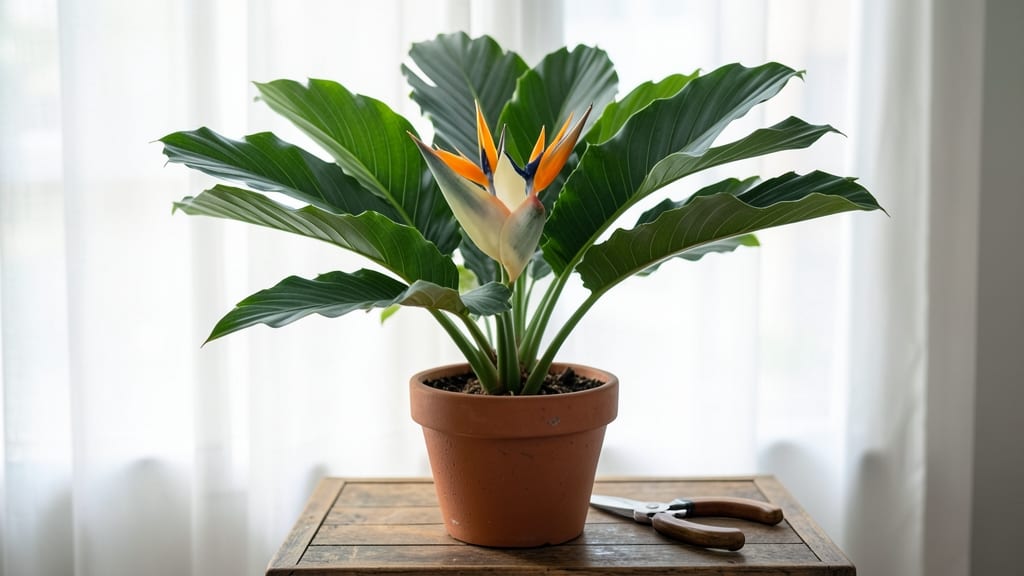
Pruning your bird of paradise palm tree isn’t just about keeping it tidy—it’s the secret to longer blooms and a stronger plant year-round. I’ve learned the hard way that skipping pruning leads to leggy stems and fewer of those showstopping orange-and-blue flowers everyone loves.
The right cuts encourage new growth while maintaining that tropical drama in your landscape.
You’ll need sharp pruners, a ladder (for outdoor plants), and a little patience—this isn’t a quick trim. Focus on removing dead fronds first, then thin out crowded stems to improve airflow.
For indoor plants, a small pair of scissors works just as well, and you’ll still see dramatic improvements in just a few weeks. The key is timing: prune in early spring or after flowering to avoid disrupting the plant’s natural cycle.
What you’ll end up with is a bird of paradise that looks healthier than ever, with fresh, vibrant fronds and a bushier shape. The flowers return more reliably, and pests have fewer places to hide in the dense foliage.
Plus, your plant will thank you by growing taller and fuller—just don’t overdo it, or you’ll stunt its growth instead of boosting it.
This method works for both outdoor palms in warm climates and indoor plants struggling under fluorescent lights. The same principles apply, whether you’re dealing with a 6-foot-tall specimen or a tabletop version. Let’s get those shears ready and make your bird of paradise the star of your garden again.
📚 In This Guide
- What you need
- Instructions
- Tips and common mistakes
- Wrapping up and next steps
What you need
- ● Pruning shears or loppers: Sharp, bypass-style (not anvil) for clean cuts. Choose 10-12 inch loppers for thicker fronds.
- ● Pruning saw: Curved-tooth saw for stubborn, woody stems (e.g., Fiskars X27 or similar).
- ● Heavy-duty gloves: Leather or cut-resistant (e.g., Mechanix Wear) to protect from serrated frond edges.
- ● Ladder or extension pole: 6-12 ft aluminum ladder (e.g., Werner 2448) or a 10-15 ft telescoping pruner (e.g., Fiskars StaySharp).
- ● Disinfectant (70% isopropyl alcohol or bleach solution): 1 part bleach to 9 parts water to sterilize tools between cuts.
- ● Heavy-duty trash bags (20-30 gallon): For debris disposal—Bird of Paradise fronds are heavy!
- ● Safety goggles: Protect your eyes from flying debris (e.g., DeWalt DPG82).
- ○ Pruning sealant: Optional for large cuts (e.g., Tanglefoot Tree Wound Pruning Seal)—only use on cuts >2 inches in diameter.
- ● Hose or bucket of water: To rinse tools and reduce dust when cutting.
- ● Work apron with pockets: Keeps small tools (e.g., alcohol wipes, gloves) handy.
- ● Long-sleeve shirt and pants: 100% cotton or synthetic blend to avoid scratches from fronds.
Instructions for pruning your bird of paradise palm tree
Here's the method I've used to keep my bird of paradise thriving for over a decade.
Identify the Right Time for Pruning
Prune your bird of paradise in late winter or early spring, just as new growth begins to emerge. This timing gives the plant plenty of time to recover before summer's heat stress. Look for the first signs of fresh, green shoots at the base of the trunk—this is your cue that the plant is waking up from dormancy and ready to support new growth.
If you must prune at other times, avoid the hottest summer months. Pruning during extreme heat forces the plant to divert energy toward recovery instead of photosynthesis. I've seen plants stressed by summer pruning develop brown patches that take weeks to heal.
Assess and Prepare for Pruning
Examine your plant for dead, yellowed, or diseased fronds first. These should be removed immediately, regardless of season. Use clean, sharp pruning shears or a pruning saw for thicker stems to make clean cuts that won't tear the plant tissue. I always sterilize my tools with rubbing alcohol before starting—this prevents spreading any potential infections.
Next, identify any fronds that are overcrowding the center of the plant. Bird of paradise palms grow in a fan shape, and too many fronds in the center block light and air circulation. You'll know these are ready for removal when they're at least 3-4 years old and no longer contributing to the plant's energy production.
Make Strategic Cuts for Health and Shape
Start by removing the oldest, outermost fronds first. Cut each frond back to the point where it meets the trunk, making your cut at a 45-degree angle about ½ inch above the trunk. This angle helps water run off the cut and prevents rot. For thick stems, use a pruning saw to avoid crushing the plant tissue.
For overcrowded fronds in the center, cut them back to the base of the plant. These cuts may look dramatic, but they allow sunlight to reach the inner growth and encourage new, healthier fronds to develop. I've found that after a few weeks, new shoots emerge from the base, filling in the gaps beautifully.
Clean Up and Monitor Recovery
After pruning, remove all debris from the area around the plant. Leaving old fronds on the ground can attract pests or fungal diseases. I like to compost the healthy fronds, but always ensure they're free of disease before doing so. Once the area is clean, give your plant a deep watering to help it recover from the stress of pruning.
Monitor your bird of paradise for the next 4-6 weeks for signs of new growth. You'll see fresh, bright green shoots emerging from the base or along the trunk. If you notice any yellowing or wilting, it could be a sign of over-pruning or stress. In that case, reduce watering slightly until the plant stabilizes.
Maintain Year-Round Health
Throughout the year, keep an eye out for any fronds that develop brown tips or spots. These can often be trimmed off individually without a full pruning session. Use the same 45-degree angle and sterilized tools to make these smaller cuts. Regular maintenance like this prevents the buildup of dead material and keeps your plant looking its best.
In late summer or early fall, apply a balanced, slow-release fertilizer to support the new growth stimulated by your spring pruning. I use a 10-10-10 fertilizer at half strength, applied every 6-8 weeks during the growing season. This gives the plant the nutrients it needs to recover and prepare for the next growing cycle.
Tips & tricks for pruning your bird of paradise palm tree
Here's what I've learned after pruning my bird of paradise for years—these little details make all the difference in keeping your plant healthy and thriving.
Timing is Everything: The late winter or early spring timing in Step 1 is crucial because it aligns with the plant's natural growth cycle. If you notice new shoots emerging in late winter, that's your exact cue to prune. I've found that pruning at this time gives the plant enough time to recover before summer's heat stress, which can be particularly harsh on a recently pruned bird of paradise. The key is watching for those first fresh green shoots at the base of the trunk—don't rush it, as the plant needs to be actively growing to handle the pruning stress.
Tool Preparation Matters: In Step 2, I can't stress enough how important it is to sterilize your pruning tools before you start. I've seen too many cases where unsterilized tools spread fungal infections or bacterial diseases between cuts. Use rubbing alcohol to wipe down your shears or saw between each cut, especially when dealing with diseased fronds. Sharp tools also make a world of difference—dull blades can tear the plant tissue, creating larger wounds that take longer to heal and are more susceptible to infections.
Strategic Cutting Technique: The 45-degree angle mentioned in Step 3 is a game-changer for preventing water-related issues. When you make cuts at this angle about ½ inch above the trunk, water runs off the cut instead of pooling, which drastically reduces the risk of rot. For thicker stems, I recommend using a pruning saw rather than shears—it gives you more control and prevents the tissue from crushing, which can stress the plant even more. Remember, these cuts might look dramatic, but they're actually allowing sunlight to reach the inner growth, which encourages healthier new fronds to develop.
Recovery Monitoring: The 4-6 week recovery period in Step 4 is when most people see the real results of their pruning efforts. During this time, watch for fresh green shoots emerging from the base or along the trunk—this is a clear sign your plant is recovering well. If you notice any yellowing or wilting, it's a sign you may have over-pruned or that the plant is stressed. In this case, reduce watering slightly until the plant stabilizes. I've found that a deep watering right after pruning helps the plant recover faster, but it's important not to overwater during the recovery period.
Pro Tips for Bird Of Paradise Palm Tree
- Here's what I've learned after pruning my bird of paradise for years—these little details make all the difference in keeping your plant healthy and thriving.
- Timing is Everything: The late winter or early spring timing in Step 1 is crucial because it aligns with the plant's natural growth cycle.
- Tool Preparation Matters: In Step 2, I can't stress enough how important it is to sterilize your pruning tools before you start.
Frequently asked questions
about pruning your Bird of Paradise Palm Tree (Strelitzia nicolai)—because even tropical beauty needs a little TLC! Here are answers to the most common queries to keep your plant thriving.When is the best time of year to prune my Bird of Paradise Palm?
The ideal time is late winter or early spring (just before new growth begins). This minimizes stress and allows the plant to recover quickly. However, you can lightly trim dead fronds anytime—just avoid heavy pruning during extreme heat or cold. Pro tip: If you spot brown, crispy fronds, snip them off immediately to prevent pests!
How do I know if I’m pruning too much or too little?
Too much pruning weakens the plant—never remove more than 1/3 of the fronds at once. Focus on dead, yellow, or damaged leaves first. If you’re unsure, prune conservatively and monitor for new growth. Signs of over-pruning: Stunted growth, wilting, or no new fronds after 3–4 months. Signs of under-pruning: Crowded fronds blocking sunlight or pests hiding in debris.
What should I do if my palm tree starts bleeding sap after pruning?
Sap oozing from cuts is normal for Bird of Paradise Palms—it’s their way of sealing wounds! Leave it alone; the sap will dry and harden into a protective layer. If the cut is large, apply a thin layer of horticultural sealant (like pruning paste) to speed up healing. Warning: Avoid household sealants (e.g., nail polish)—they can suffocate the plant!
Can I propagate my Bird of Paradise Palm from pruned fronds?
Yes! Healthy, mature fronds can root in water or soil. Steps:
- Cut a 6–12 inch section from a green (not brown) frond.
- Remove lower leaves, leaving a bare stem.
- Place in water or moist potting mix.
- Keep in bright, indirect light and wait 4–8 weeks for roots. Success tip: Use a rooting hormone to boost growth!
Why do bugs appear after pruning, and how do I prevent them?
Pruning exposes hidden pests (like spider mites or scale insects) and creates entry points. Prevent them:
- Sterilize tools with rubbing alcohol.
- Clean up all debris.
- Inspect fronds before pruning. If pests arrive: Spray with neem oil or insecticidal soap. Act fast!—early treatment is key.
Wrapping up and next steps
Pruning your bird of paradise palm tree isn’t just about aesthetics—it’s a year-round commitment to its health and beauty! 🌿 By following strategic cuts, you’ll encourage lush growth, prevent pests, and keep your palm thriving for seasons to come.
Whether you’re a seasoned gardener or just starting, these tips make the process simple and rewarding.
Ready to give your palm the care it deserves? Grab your tools, schedule your next pruning session, and watch your bird of paradise shine brighter than ever! 🌟