
Trees
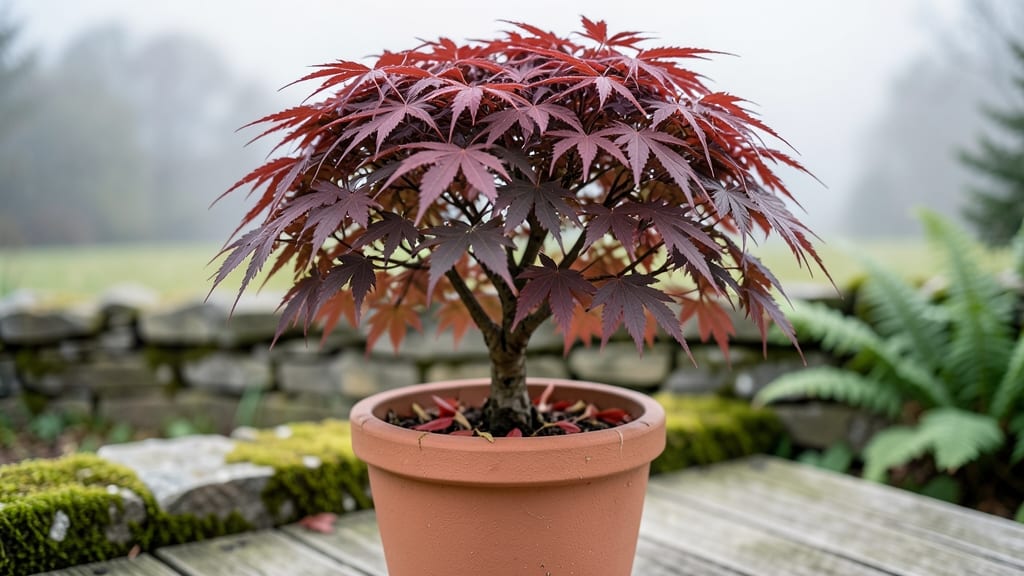
When you need best dwarf trees that bring big impact to small spaces, the Pacific Northwest’s mild climate rewards you with stunning, low-maintenance options. 🌿 I’ve tested these varieties in my own yard, where they thrive without needing constant pruning or fuss—just the right spot and a little patience.
The key is matching their natural habits to your garden’s light and soil, whether that’s a sunny patio corner or a shady nook under larger trees.
These trees deliver year-round interest with their glossy foliage, colorful bark, and seasonal blooms or berries. A Japanese maple’s delicate lace leaves or a dwarf flowering cherry’s spring blossoms turn even the tiniest yard into a showstopper.
Plus, their compact size means you can mix them with perennials or use them as standalone focal points without overpowering the space. Most stay under 10 feet tall, making them perfect for containers or tight urban gardens.
You’ll love how they age gracefully with minimal care—just a little water in dry spells and occasional pruning to shape them. The dwarf varieties I recommend handle our rainy winters and summer heat with ease, so you’re not stuck with high-maintenance divas.
Whether you’re framing a doorway, lining a walkway, or adding height to a container arrangement, these trees bring structure, texture, and seasonal color without the hassle.
Best of all, they grow slowly, so you won’t outgrow them in a few years. Start with one or two to test what fits your space, then expand as you fall in love with their quiet charm. Here’s how to pick the perfect one for your garden’s personality and layout.
📚 In This Guide
- What you need
- Instructions
- Tips and common mistakes
- Wrapping up and next steps
What you need
- ● Dwarf tree saplings: Choose from varieties like Japanese maple, dwarf cherry, or Pacific dogwood (check local nurseries for PNW-friendly options). Quantity: 1–3 per planting area.
- ● Well-draining potting soil: 5–10 gallons (or enough to fill your chosen container). Look for a mix labeled for acidic soils if your tree prefers it (e.g., rhododendrons).
- ● Containers or planting area: For containers: 12–18-inch diameter pots with drainage holes (terracotta or plastic). Quantity: 1 per tree.
- ● For in-ground planting: A hole 2–3 times wider than the root ball and as deep.
- ● Mulch: 2–3 inches of pine bark or cedar chips (helps retain moisture and mimics PNW forest floors).
- ● Pruning shears: Bypass pruners (for clean cuts) or felco pruners (for thicker branches).
- ● Watering can or hose with a gentle spray nozzle: 5–10 gallons capacity for thorough watering.
- ● Garden gloves: Protect your hands from thorns or rough bark (look for nitrile-coated for durability).
- ● Soil pH tester kit: Ensures your soil matches your tree’s preferences (e.g., 4.5–6.0 for acid-loving species).
- ● Slow-release fertilizer: Balanced 10-10-10 or organic options like fish emulsion (apply once in spring).
- ● Support stakes or tree ties: Useful for young or top-heavy trees (e.g., 3–4 ft bamboo stakes).
- ○ Drip irrigation system: Optional but lifesaver for consistent moisture in dry spells (PNW summers can be tricky!).
- ● Tree guard or wire mesh: Protects saplings from deer or rabbits (common in PNW gardens!).
Step-by-step guide to planting and caring for Pacific Northwest dwarf trees
Here's how to create a stunning, low-maintenance canopy with these compact beauties.
🌱 Step 1: Choose the Perfect Spot for Your Dwarf Tree
Dwarf trees thrive when planted where they'll get their ideal light conditions. Most varieties need 6-8 hours of sunlight daily, but some shade-tolerant options like dwarf dogwood or inkberry holly do well with 4-6 hours. In the Pacific Northwest's often cloudy climate, I always check the microclimate—your yard might have sunny spots that get more light than others.
Look for areas with good air circulation to prevent fungal diseases. Avoid low spots where water pools after rain. The soil should drain well—dwarf trees hate soggy roots. If your yard has heavy clay soil, amend it with 2-3 inches of compost mixed into the top 12 inches of soil before planting.
Here's the thing—dwarf trees grow slowly, so you won't see immediate results. But planting them in the right spot from the start means you'll enjoy them for decades with minimal effort. I like to sketch a rough layout first, spacing trees 8-12 feet apart depending on their mature size.
☀️ Step 2: Plant Your Dwarf Tree with Proper Technique
Dig a hole twice as wide as the root ball but only as deep as the container's height. This prevents burying the trunk too deep, which can cause rot. Gently remove your dwarf tree from its container and loosen any circling roots with your fingers—this encourages outward growth instead of root-bound stress.
Place the tree in the hole so the top of the root ball sits 1-2 inches above ground level. The reason for this is simple: settling happens over time, and you don't want the trunk buried deeper than it should be. Backfill with native soil, tamping gently as you go to remove air pockets.
Water deeply right after planting to settle the soil around the roots. You'll see water bead up on the surface—that's your sign the soil is properly moistened. Mulch around the base with 2-3 inches of organic mulch, keeping it 3 inches away from the trunk to prevent rot. This helps retain moisture and regulate soil temperature.
💧 Step 3: Establish a Watering Routine That Won't Overwhelm
Dwarf trees are drought-tolerant once established, but they need consistent moisture during their first year. Water deeply once a week during the growing season, providing 1-2 gallons of water per tree. The goal is to encourage deep root growth rather than shallow, frequent watering that leads to weak roots.
Check moisture by sticking your finger 2 inches into the soil. If it feels dry, it's time to water. If it's still damp, wait another day. Overwatering is the biggest mistake new gardeners make with dwarf trees—these plants prefer slightly dry conditions over soggy soil.
In the Pacific Northwest's rainy climate, you might not need to water much during winter months. But if we have a dry spell, even dwarf trees appreciate a drink. The key is balance—you want the roots to stay moist but not waterlogged.
✂️ Step 4: Prune for Shape and Health Year-Round
Light pruning in late winter or early spring encourages new growth and maintains your tree's shape. Remove any dead, diseased, or crossing branches first—these are easy to spot as they stand out from the healthy foliage. Use clean, sharp pruners to make cuts just above a leaf bud or branch collar.
For shaping, I like to step back and look at the tree from all sides. The goal is to create an open center that allows light and air to circulate through the canopy. Never remove more than 25% of the tree's foliage in one season—this prevents stress and shock.
Here's what I've found works best: prune lightly in spring to shape the tree, then do a quick cleanup in fall to remove any dead growth. Avoid heavy pruning in late summer—it stimulates new growth that won't harden off before winter.
🪴 Step 5: Protect and Enjoy Your Low-Maintenance Canopy
Dwarf trees are generally pest- and disease-resistant, but they still benefit from occasional checks. Look for signs of spider mites, scale, or aphids on the undersides of leaves. A strong spray of water usually removes these pests, but for stubborn infestations, use an organic insecticidal soap.
Fertilize lightly in early spring with a balanced, slow-release fertilizer. I use about ½ cup per tree worked into the top 6 inches of soil. The Pacific Northwest's soil is often nutrient-rich, so dwarf trees rarely need heavy feeding.
This is the moment that matters: step back and admire your work. These trees will grow slowly but steadily, creating a beautiful, low-maintenance canopy that enhances your landscape for years. The best part? Once established, they require very little attention beyond occasional pruning and watering during dry spells.
Tips & tricks for perfect Pacific Northwest dwarf tree planting
These game-changing insights will help you create a thriving, low-maintenance canopy that lasts decades.
Light Conditions: In the Pacific Northwest's variable climate, I always test potential spots for at least a week before planting. Use a simple light meter app or observe where sunlight hits between 10 AM and 2 PM—this gives you the most accurate reading for those critical 6-8 hours. For shade-tolerant varieties like dwarf dogwood, watch for dappled sunlight patterns rather than relying solely on the 4-6 hour guideline.
Soil Preparation: The 2-3 inches of compost mixed into the top 12 inches of soil makes all the difference. I like to use a mix of finished compost and native soil to maintain the right texture—too much compost can make the soil too rich and attract pests. For heavy clay soil, consider adding coarse sand or perlite to improve drainage while maintaining that essential moisture retention.
Planting Depth: That 1-2 inch elevation above ground level is crucial—it prevents stem rot and allows for natural settling. I always use a level or a straight stick to check the depth after backfilling. Pro tip: Mark the original soil line on the root ball with a pencil before planting so you can verify placement later.
Watering Strategy: The once-a-week deep watering routine works wonders, but timing matters. I water in the early morning so the foliage has all day to dry, reducing fungal risks. For new plantings, I use a soaker hose to deliver those 1-2 gallons directly to the root zone without disturbing the soil surface—this encourages deeper root growth exactly as intended.
Pro Tips for Best Dwarf Trees
- These game-changing insights will help you create a thriving, low-maintenance canopy that lasts decades.
- Light Conditions: In the Pacific Northwest's variable climate, I always test potential spots for at least a week before planting.
- Soil Preparation: The 2-3 inches of compost mixed into the top 12 inches of soil makes all the difference.
Frequently asked questions
Got questions about dwarf trees?
You’re not alone! Here are some of the most common queries—plus quick answers—to help you pick the perfect low-maintenance green thumb for your Pacific Northwest space.
What’s the easiest dwarf tree to grow in the PNW’s rainy climate?
The Japanese Maple (Acer palmatum) and Dwarf Alberta Spruce (Picea glauca ‘Conica’) are top picks! Both thrive in moist soil, handle shade, and resist common PNW pests. Just avoid soggy spots—good drainage is key. For extra resilience, opt for Dwarf Oregon Grape Holly (Mahonia aquifolium), which loves shade and even tolerates dry spells.
How long does it take for a dwarf tree to mature?
Most dwarf trees reach their "mature" size (usually 6–10 feet tall) in 5–10 years, but some—like the Dwarf Korean Lilac (Syringa meyeri ‘Palibin’)—can bloom beautifully in just 3–5 years. Patience pays off, but don’t worry: many dwarf varieties offer instant gratification with flowers, berries, or vibrant foliage within their first few seasons!
Can I plant a dwarf tree in a container instead of the ground?
Containers work great for dwarf trees like Dwarf Hinoki Cypress (Chamaecyparis obtusa ‘Nana Gracilis’) or Dwarf Fountain Grass (Pennisetum ‘Little Bunny’). Use a pot 12–18 inches deep with drainage holes, and swap out soil every 1–2 years. Just remember: container plants need regular watering (especially in PNW summers) and may need winter protection in colder zones.
What pests or diseases should I watch for with dwarf trees?
PNW’s damp climate can invite aphids, spider mites, or fungal issues like powdery mildew. Preventative care helps: Prune for airflow, water at the base (not leaves), and inspect new growth often. Neem oil or insecticidal soap are gentle, effective fixes. For fungal concerns, avoid overhead watering and choose disease-resistant varieties like Dwarf Ninebark (Physocarpus opulifolius ‘Little Devil’).
Do dwarf trees need pruning, and how often?
Most dwarf trees are low-maintenance, but a little pruning keeps them healthy and shaped. Trim once a year in late winter or early spring to remove dead branches or encourage bushier growth. For flowering varieties (like Dwarf Lilac), prune right after blooming to avoid cutting off next year’s flowers. Use clean, sharp shears—and never prune more than 1/3 of the foliage at once!
Wrapping up and next steps
Choosing the best dwarf trees for your Pacific Northwest garden is a fantastic way to add beauty without the hassle! These compact, resilient varieties thrive in local climates while offering year-round charm—whether you crave vibrant blooms, lush foliage, or evergreen structure.
With minimal upkeep and big rewards, they’re perfect for small spaces, containers, or even as focal points in larger landscapes.
Ready to transform your outdoor space? Start by selecting the variety that best fits your style and needs, then grab your gardening gloves and get planting! 🌿✨ Whether you’re a seasoned gardener or just beginning, these trees make it easy to enjoy nature’s elegance—without the big commitment.