Pruning
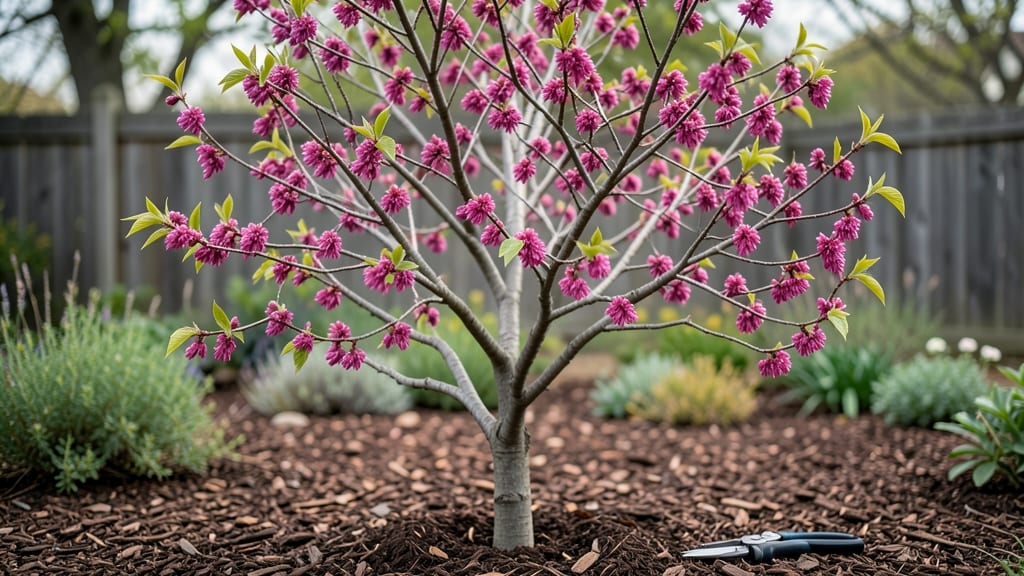
The Oklahoma redbud tree transforms into a summer shade machine after its famous spring blooms fade—its heart-shaped leaves create a dense, dappled canopy that cools your yard better than most shade trees. 🌿 I planted mine in full sun last June, and by August, it was already providing relief from Oklahoma’s brutal afternoons, with leaves that stay vibrant even when drought creeps in.
Summer care is simple once you know the redbud’s tricks: water deeply once a week (unless it’s raining), mulch heavily to lock in moisture, and avoid heavy pruning—this isn’t the time to shape it.
The tree handles heat surprisingly well, but watch for spider mites on dry leaves (a quick spray of water usually fixes it).
By late summer, your redbud will be storing energy for next spring’s blooms, so resist the urge to prune now. Instead, focus on keeping the soil moist and the roots cool—this is how you guarantee those purple-pink flowers return bigger and brighter every March.
Oklahoma’s clay-heavy soil? No problem. Redbuds thrive in it, but amending with compost at planting gives them a head start. The real secret? Patience. This tree’s summer strength ensures its spring spectacle, and with minimal effort, you’ll have a low-maintenance star for decades.
📚 In This Guide
- What you need
- Instructions
- Tips and common mistakes
- Wrapping up and next steps
What you need
- ● Pruning shears: Bypass pruners with sharp, bypass blades (for clean cuts on small branches, up to ½-inch thick). Example: Felco F-2 or Corona 2-in-1.
- ● Loppers: For branches ½-inch to 2-inches thick. Look for ratchet-assisted models for ease (e.g., Fiskars X27).
- ● Pruning saw: A curved-tooth handsaw for branches 2-inches or thicker (e.g., Bahco Laplander).
- ● Disinfectant: 70% isopropyl alcohol or a pruning sealant (like Tanglefoot Tree Wound Pruning Seal) to prevent disease spread.
- ● Gloves: Heavy-duty, cut-resistant gardening gloves (e.g., Mechanix Wear or Fox River Garden Gloves).
- ● Safety gear: Safety glasses (to shield from debris).
- ● Long sleeves/pants (to protect from thorns or sap).
- ○ Extension pole: Optional but helpful for high branches (e.g., a 6-8 foot telescoping pole with a pruner attachment).
- ● Trash bags: Heavy-duty 13-gallon contractor bags for debris disposal.
- ● Tree wound paint: Only use if your Redbud has large cuts (e.g., 1-inch diameter or wider). Note: Research shows most trees heal better without it!
- ● Ladder: A stable, 3-section aluminum ladder (e.g., Werner 20-foot ladder) for taller trees.
- ● Marking spray: Pink or green spray paint to tag branches for removal (e.g., Scotts Outdoor Marking Spray).
- ● Sharpener: A file or whetstone to keep blades razor-sharp mid-pruning.
- ● Water spray bottle: To dust off tools and keep cuts clean.
How to care for an Oklahoma redbud tree in summer
Your redbud thrives in summer with the right balance of water, shade, and attention.
💧 Step 1: Water Deeply but Sparingly
Oklahoma redbuds are drought-tolerant once established, but summer heat demands consistency. Water once a week during dry spells, delivering 1-2 gallons per tree at the base. Use a hose or soaker tube to soak the soil to a 12-inch depth—this encourages deep root growth. You'll know it's right when the soil feels damp but not soggy.
Here's the thing—overwatering is just as harmful as underwatering. If the soil stays wet for more than 48 hours, roots suffocate. I check by sticking my finger 2 inches deep—if it's dry, it's time to water. Mulch with 2-3 inches of organic mulch (like wood chips) to retain moisture and keep roots cool.
☀️ Step 2: Provide Strategic Shade for Young Trees
While mature redbuds handle full sun, young trees (under 5 years old) need afternoon shade in Oklahoma's intense summer heat. Position them where they get morning sun but are shaded after 12 PM. You'll see stress signals like wilting leaves or brown edges—these mean it's too hot.
If your tree is already planted, use a lightweight shade cloth (30-50%) during peak afternoon hours. Secure it loosely so airflow isn't blocked. Mature trees can handle full sun, but even they appreciate some afternoon relief during heatwaves. Watch for leaves curling inward—that's a classic sign of heat stress.
🌿 Step 3: Prune to Encourage a Full Canopy
Summer is the perfect time to shape your redbud's growth. Remove any dead, diseased, or crossing branches first—these compete for energy and look unsightly. Use clean, sharp pruners to make cuts just above a leaf node or outward-facing bud. You'll see the tree's natural shape emerge as you work.
Don't overdo it—redbuds bloom on old wood, so avoid heavy pruning that removes more than 25% of the canopy. Focus on thinning out dense areas to improve air circulation. This prevents fungal issues and lets sunlight reach the inner branches, encouraging a fuller, greener canopy. I like to prune after a rain when the tree is hydrated and less stressed.
✂️ Step 4: Monitor for Pests and Diseases
Oklahoma's summer heat attracts pests like aphids and spider mites, which love the redbud's tender new growth. Inspect leaves weekly for sticky residue (aphids) or fine webbing (spider mites). A strong spray of water usually knocks off aphids, while neem oil treats mites effectively. Apply neem oil in the early morning so it doesn't harm beneficial insects.
Watch for fungal issues like powdery mildew, which appears as white, powdery spots on leaves. Improve airflow by pruning dense branches and avoid overhead watering. If you see signs, treat with a fungicide labeled for ornamental trees. Prevention is key—healthy trees resist pests better, so keep up with watering and pruning.
🪴 Step 5: Fertilize Lightly for Summer Growth
Redbuds don't need heavy feeding, but a light application of balanced fertilizer (10-10-10) in early summer encourages steady growth. Spread ½ cup per inch of trunk diameter around the drip line (the area where branches extend). Water deeply after applying to help nutrients reach the roots.
Real talk: Over-fertilizing causes more harm than good. You'll see yellow leaves or excessive new growth that's weak and prone to pests. Stick to one light feeding in summer and avoid fertilizing in fall or winter. A well-mulched tree with proper watering rarely needs extra nutrients—nature does most of the work.
Tips & tricks for perfect Oklahoma redbud tree care
Keeping your redbud thriving in Oklahoma's summer heat takes a few key strategies—here's what I've learned from years of watching these trees shine.
Watering Wisdom: That once-a-week watering schedule works best when you really soak the soil to 12 inches deep. I use a long screwdriver to check—if it comes out clean, you've hit the mark. For newly planted trees, water twice a week until established, then taper to weekly. The goal is to encourage deep roots, not surface moisture that evaporates quickly.
Shade Strategy: When setting up shade for young trees, I position it to block the harsh afternoon sun (after 12 PM) but allow morning sunlight. For existing trees, lightweight shade cloth works wonders—just remember to secure it loosely so airflow isn't blocked. Even mature trees benefit from afternoon shade during heatwaves, and you'll notice the difference in leaf health.
Pruning Precision: The 25% canopy rule is your friend—never remove more than that in one session. I always prune after rain when the tree is hydrated and less stressed. For best results, make cuts just above a leaf node or outward-facing bud. This encourages new growth in the right direction and prevents those unsightly stubs that can harbor disease.
Pest Prevention: That weekly leaf inspection is crucial—aphids and spider mites can sneak up fast. I've found that neem oil works best when applied in early morning, giving it time to work before the heat of the day. For powdery mildew prevention, avoid overhead watering completely and prune to improve airflow. Healthy trees resist pests better, so consistent care pays off big time.
Pro Tips for Oklahoma Redbud Tree In Summer
- Keeping your redbud thriving in Oklahoma's summer heat takes a few key strategies—here's what I've learned from years...
- Watering Wisdom: That once-a-week watering schedule works best when you really soak the soil to 12 inches deep. I use...
- Shade Strategy: When setting up shade for young trees, I position it to block the harsh afternoon sun (after 12 PM) b...
Frequently asked questions
Got questions about your Oklahoma Redbud tree during the summer? You’re not alone!
Here are answers to the most common concerns—from care tips to troubleshooting—so you can keep your tree thriving all season long.
Does the Oklahoma Redbud tree lose its leaves in summer?
The Oklahoma Redbud (Cercis canadensis) typically retains its lush green foliage throughout summer, unlike some deciduous trees that shed early. However, if leaves yellow or drop prematurely, check for underwatering, pests like spider mites, or fungal issues. A healthy tree should stay vibrant until late fall.
When is the best time to prune an Oklahoma Redbud in summer?
Prune your Redbud after spring blooms (late May–early June) but before summer heat stress sets in. Avoid heavy pruning in July/August, as it can weaken the tree. Light trimming to shape or remove dead branches is fine, but wait for cooler temps if possible. Pro tip: Sterilize tools with rubbing alcohol to prevent disease!
How much water does an Oklahoma Redbud need in Oklahoma’s summer heat?
Young Redbuds need 1–1.5 inches of water weekly, while mature trees are drought-tolerant once established. Water deeply at the base (not overhead) to encourage deep root growth. Mulch 2–3 inches around the trunk to retain moisture. Warning: Overwatering can cause root rot—let soil dry slightly between waterings.
Will my Redbud still bloom next spring if I prune it in summer?
Yes! Pruning in summer won’t prevent spring blooms, but avoid cutting back more than 25% of the canopy at once. Blooms form on old wood, so focus on removing dead/diseased branches or shaping. For maximum flowers, prioritize pruning after blooming season.
What are some Oklahoma-friendly alternatives if my Redbud struggles in summer?
If your Redbud suffers from heat or pests, consider these summer-tolerant Oklahoma natives:
- Eastern Redbud (Cercis canadensis) – Classic choice with similar care.
- Texas Mountain Laurel (Sophora secundiflora) – Drought-resistant and fragrant.
- Eastern Red Cedar (Juniperus virginiana) – Thrives in heat and poor soil.
- Oklahoma Redbud hybrids (e.g., ‘Forest Pansy’) – Darker foliage, better heat tolerance.
All offer low-maintenance beauty for Oklahoma’s climate!
Wrapping up and next steps
The Oklahoma Redbud tree in summer is a true gem—its vibrant green foliage and sturdy branches offer shade, beauty, and even a whisper of its stunning spring blooms. Whether you're pruning for health, aesthetics, or future growth, the key is patience and precision. Now’s the perfect time to take action!
🌿 Next steps:
- Schedule your pruning session on a cool, overcast day to reduce stress on the tree.
- Monitor its progress and celebrate the transformation as it thrives in Oklahoma’s summer sun!