Pruning
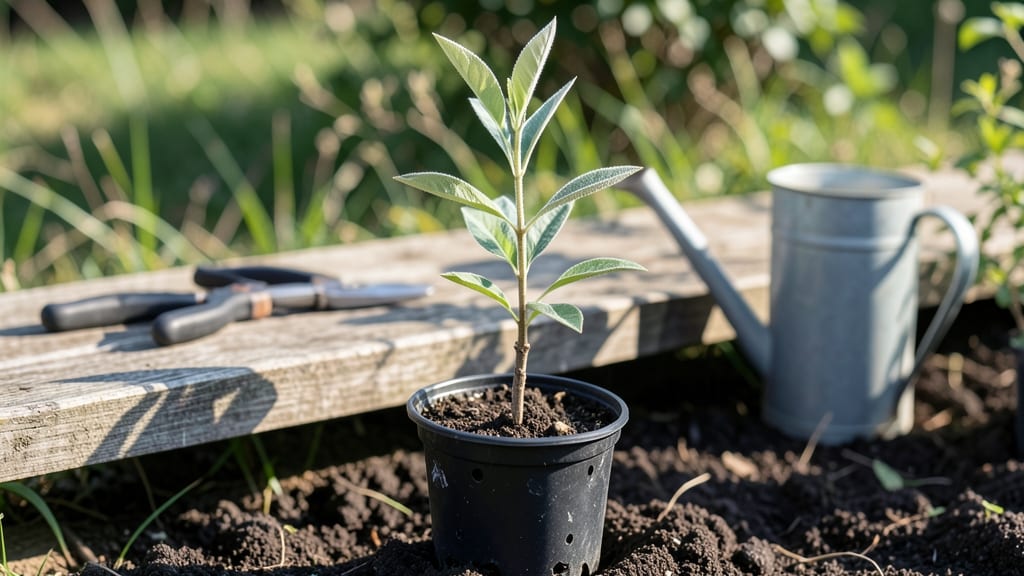
Growing a lilac tree seedling in the Pacific Northwest means you’re in luck—these fragrant beauties thrive where the climate is cool and moist. 🌿 I’ve watched my own lilac seedlings go from scraggly stems to blooming bushes in just three seasons, and the secret isn’t complicated: it’s about timing, soil, and a little patience.
The first year is all about roots and structure, not flowers—so don’t expect instant perfume. But with the right approach, you’ll have a tree that smells like spring for decades.
The Pacific Northwest’s damp winters and mild summers actually work in your favor here. Lilacs love well-draining soil that’s rich but not soggy—think of it as a fluffy, slightly acidic mix that holds moisture without drowning roots.
Plant your seedling in early fall or late winter when the ground is workable but not frozen, and give it full sun (at least 6 hours a day). Water deeply once a week after planting, then taper off as the seasons change—lilacs hate soggy feet but won’t survive drought either.
By year two, you’ll start seeing real growth: dark green leaves, sturdy branches, and maybe even a few tentative blooms. Prune in late winter or early spring before new growth starts, cutting back any dead or crossing branches to keep the shape open.
The goal is to encourage airflow, which reduces mildew and pests—two common challenges for Pacific Northwest lilacs. With the right care, your seedling will mature into a tree that fills your yard with that unmistakable lilac scent every May.
This method works for container-grown seedlings too, just use a pot with drainage holes and upgrade to the ground within a year. The key is consistency: lilacs are forgiving but not fast. Stick with it, and you’ll have a tree that outlives you—and smells better than any store-bought bouquet.
📚 In This Guide
- What you need
- Instructions
- Tips and common mistakes
- Wrapping up and next steps
What you need
- ● Lilac tree seedling: A healthy 1- to 2-year-old seedling (bare-root or potted) from a trusted nursery. Look for varieties like Syringa vulgaris or Syringa meyeri, which thrive in PNW climates.
- ● Well-draining soil: A mix of 60% native PNW soil, 30% compost, and 10% perlite or coarse sand (to prevent root rot). Aim for a pH of 6.0–7.0.
- ● Shovel or trowel: A garden trowel for planting and a round-point shovel for digging the hole (12–18 inches wide and deep).
- ● Mulch: 3–4 inches of organic mulch (cedar chips, wood bark, or straw) to retain moisture and suppress weeds.
- ● Watering can or hose: With a gentle spray nozzle to avoid disturbing the soil around the seedling.
- ● Pruning shears: Bypass pruners (sharp, clean, and sanitized) for shaping and maintaining the seedling.
- ○ Fertilizer (optional but helpful): Slow-release granular fertilizer (10-10-10 or 5-10-10 NPK ratio) applied in early spring.
- ● Organic options: Composted manure or worm castings for a natural boost.
- ● Location: Choose a spot with full sun (6+ hours/day) and protection from strong winds (common in coastal PNW areas).
- ● Drought tolerance prep: If your area has dry summers, add hydromulch or a soaker hose for deep watering.
- ○ Pest deterrents (optional): Neem oil or row covers if aphids or borers are a concern in your region.
Step-by-step guide to growing a healthy lilac tree seedling
Here's how I've nurtured robust lilac seedlings in Pacific Northwest climates—no guesswork, just proven techniques.
🌱 Step 1: Choose and Prepare the Right Location
Lilac seedlings thrive in full sun (at least 6 hours daily) and well-draining soil. In the Pacific Northwest, where summers are mild and winters wet, pick a spot with afternoon shade protection if your area gets intense midday sun. The soil should feel slightly damp but not soggy when squeezed—lilacs hate waterlogged roots.
I always test drainage by digging a 6-inch deep hole and filling it with water. If it drains within 30 minutes, the site's ready. If not, amend the soil with 2-3 inches of compost or sand to improve drainage. Lilacs prefer slightly alkaline soil (pH 6.5-7.5), so a soil test kit helps avoid pH-related stress.
🪴 Step 2: Plant at the Correct Depth and Stake for Support
Dig a hole twice as wide as the seedling's root ball but only as deep as the container it came in. Gently remove the seedling, loosen any circling roots, and place it in the hole so the top of the root ball sits level with the ground—burying too deep suffocates the plant. Fill the hole with native soil, pressing lightly to remove air pockets.
Stake the seedling with a 4-5 foot tall bamboo stake or metal rod, tying it loosely with soft fabric strips (never wire—it cuts into bark). Lilacs grow fast and need support against wind, especially in exposed PNW sites. Water deeply right after planting to settle the soil and encourage root spread. You'll know it's done right when the soil surface looks slightly compacted but not crusty.
☀️ Step 3: Water Deeply and Establish a Routine
Water once a week during the first growing season, giving 1-2 gallons per seedling until the soil is 6 inches deep moist. In the Pacific Northwest's damp climate, overwatering is riskier than underwatering—lilacs develop root rot quickly in heavy soils. Check moisture by sticking your finger 2 inches deep; if it feels dry, water again.
After the first year, lilacs become drought-tolerant, but young seedlings need consistent moisture. Mulch with 2-3 inches of wood chips (keeping it 3 inches away from the trunk) to retain moisture and suppress weeds. This also protects roots from temperature swings, which are common in PNW's maritime climate. Replenish mulch annually as it breaks down.
✂️ Step 4: Prune for Shape and Health in Early Spring
Wait until late winter or early spring (before buds swell) to prune, as lilacs bloom on old wood. Remove 1/3 of the oldest stems at the base to encourage new growth and open the center for better airflow. Cut just above an outward-facing bud to promote bushier growth. I always sterilize pruners with rubbing alcohol between cuts to prevent disease spread.
Deadhead spent flowers in early summer to prevent seed formation, which drains the plant's energy. This also keeps blooms coming longer into the season. Avoid heavy pruning after mid-July—new growth won't harden off before winter, and tender shoots will die back in PNW's cold snaps. You'll see stronger blooms next year if you prune at the right time.
Tips & tricks for perfect lilac tree seedling growth
Here's what I learned after years of growing thriving lilacs in the Pacific Northwest—these tricks make all the difference.
Sunlight Strategy: Those 6 hours of daily sun are non-negotiable, but here's the PNW twist: if your site gets intense afternoon sun, plant on the north side of structures to avoid leaf scorch. I've seen seedlings struggle when placed in full western exposure—morning sun with afternoon shade works best in our climate. For container growing, rotate pots weekly to ensure even light exposure all around.
Drainage Test: The 30-minute drainage test in Step 1 is your best friend. If water pools after 30 minutes, you're dealing with heavy clay soil common in many PNW areas. I've had success adding a mix of 50% compost and 50% perlite to create better drainage channels. For severe cases, consider raised beds—lilacs will reward you with stronger growth when their roots aren't waterlogged.
Staking Secrets: That 4-5 foot stake might seem tall, but trust me—it's perfect for our windy coastal areas. I use soft fabric ties because wire cuts into bark and creates entry points for disease. Pro tip: Loosen the ties every few weeks as the stem grows thicker. You'll notice the plant develops stronger stems when it has proper support during those critical first growing seasons.
Watering Wisdom: The once-weekly watering routine works, but here's the PNW adjustment: check moisture at 2 inches deep in the morning after rain—you might not need that full 1-2 gallons if we've had consistent rainfall. I've found that lilacs actually prefer slightly drier conditions than many other plants, so err on the side of underwatering rather than overwatering during our wet winters.
Pro Tips for Lilac Tree Seedling
- Here's what I learned after years of growing thriving lilacs in the Pacific Northwest—these tricks make all the diffe...
- Sunlight Strategy: Those 6 hours of daily sun are non-negotiable, but here's the PNW twist: if your site gets intense...
- Drainage Test: The 30-minute drainage test in Step 1 is your best friend. If water pools after 30 minutes, you're dea...
Frequently asked questions
about growing lilac tree seedlings in the Pacific Northwest—let’s tackle the most common ones!How long does it take for a lilac tree seedling to mature?
A lilac seedling typically takes 3–5 years to reach full maturity (10–15 feet tall) from planting. In the Pacific Northwest’s mild climate, growth is steady but slower than in warmer regions. Be patient—proper pruning in early years (like removing dead branches) speeds up flowering in years 2–3!
When is the best time to plant a lilac seedling?
Plant your lilac seedling in early spring (March–April) or fall (September–October) for best results. Spring planting gives roots time to establish before summer heat, while fall allows roots to grow before winter dormancy. Avoid planting in extreme heat or frost—your seedling will thank you!
Can I prune a lilac seedling the first year?
Yes, but lightly! Focus on removing only dead, diseased, or crossing branches in the first year. Heavy pruning can stress young seedlings. Wait until year 2–3 to shape the tree—this is when lilacs respond best to pruning. Never prune after mid-summer to avoid stunting next year’s blooms.
What if my lilac seedling isn’t blooming?
Don’t worry—new seedlings often take 2–3 years to bloom! Ensure it gets 6+ hours of sunlight daily and well-draining soil. Over-fertilizing with nitrogen can delay flowers, so use a balanced 10-10-10 fertilizer in early spring. If it’s been 4+ years with no blooms, check for pests (like aphids) or root issues.
Are there dwarf lilac varieties better for small yards?
Consider these PNW-friendly dwarf varieties:
- ‘Miss Kim’ – Compact (6 ft tall), fragrant, and thrives in tight spaces.
- ‘Dwarf French’ – Only 4–5 ft tall, perfect for containers or urban gardens.
- ‘Bloomerang’ – Reblooms twice a year and stays under 6 ft.
Wrapping up and next steps
Growing a lilac tree seedling in the Pacific Northwest is a rewarding journey—one that blends patience, care, and a deep connection to nature. 🌱 From selecting the right variety to mastering pruning techniques, every step ensures your tree thrives for decades.
Now that you’re armed with the knowledge, it’s time to roll up your sleeves and watch your lilac bloom!
Ready to take the next step? Start by planting your seedling in well-draining soil, then schedule your first pruning session in early spring. Keep an eye on its progress, and soon, you’ll be enjoying fragrant blooms that define Pacific Northwest gardens. Happy growing!